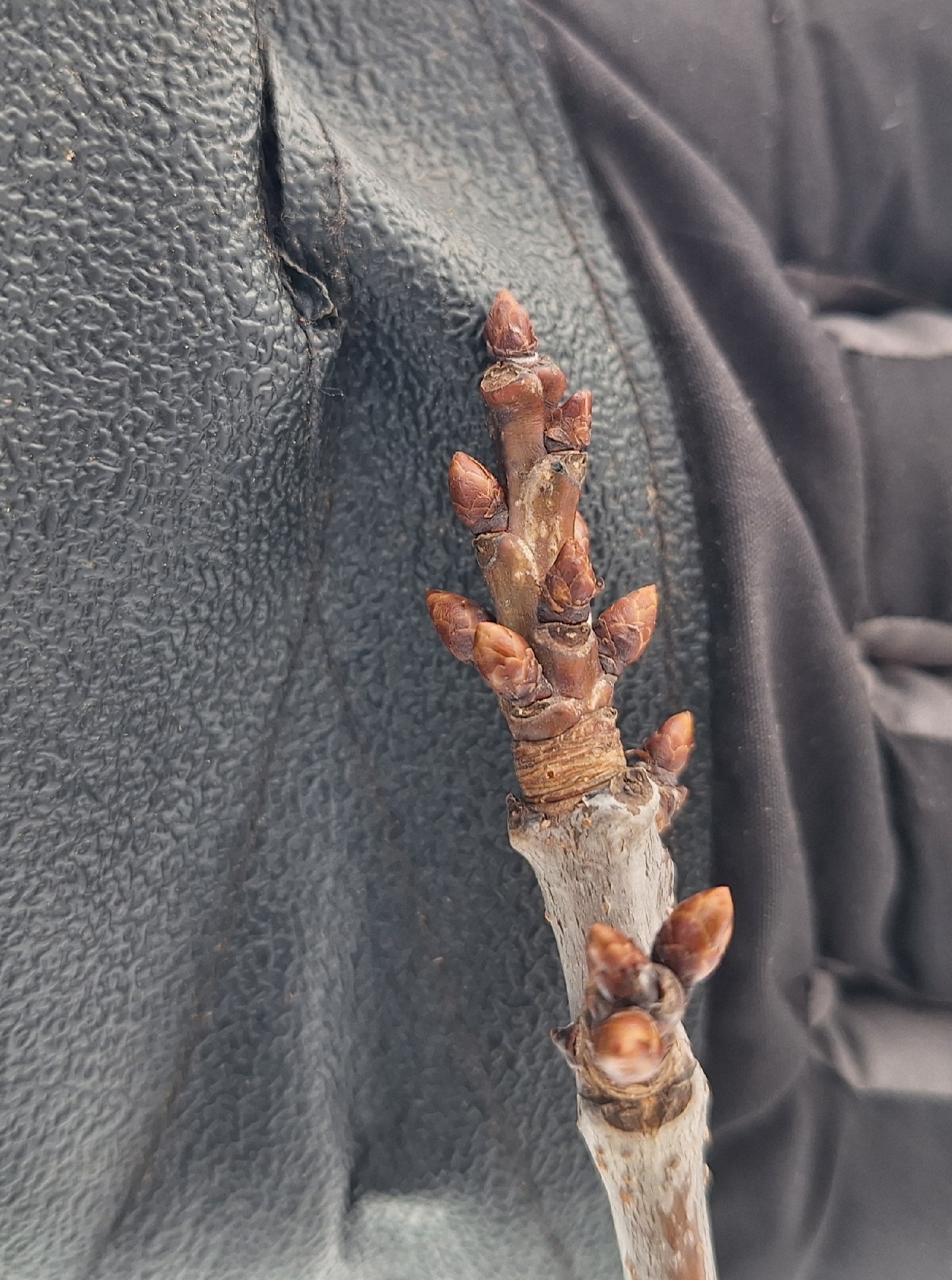
Nanking cherry (Prunus tomentosa) is a deciduous, multi-stemmed shrub native to Northern and Western China, Korea, and Mongolia. It is widely recognized for its extreme cold tolerance and its early spring display of white-to-pink blossoms that appear before the foliage.
This species matures quickly and produces a heavy crop of small, scarlet fruits that are tart enough for preserves but sweet enough for fresh eating. It serves as a functional windbreak or edible hedge in regions where more delicate stone fruits fail due to harsh winters.
Key Facts
- Hardiness: Extremely cold tolerant, down to zone 2
- Fruit: Edible 1 cm (0.4 in) scarlet drupes
- Light: Requires full sun for best fruit production
- Growth: Fast-growing but relatively short-lived (10-15 years)
- Pollination: Mostly self-fertile; plant two for larger yields
Is Nanking Cherry Right for Your Garden?
Nanking cherry is a low-maintenance choice for gardeners in cold climates who want reliable fruit production without the fuss of traditional cherry trees. It thrives in USDA zones 2 through 7, making it one of the few stone fruits capable of surviving temperatures as low as -40 °C (-40 °F). Because it grows as a dense, wide bush rather than a tall tree, it is particularly suitable for edible landscaping or informal privacy screens.
You should choose this plant if you have a sunny spot with excellent drainage, as it will not tolerate “wet feet” or standing water. It is a short-lived species, often declining after 10 to 15 years, so plan for successional planting if you intend to maintain a permanent hedge. While it is technically self-fertile, planting at least two different seedlings ensures much higher pollination rates and a more consistent berry harvest in July.
Identifying Nanking Cherry by Its Look
The Nanking cherry is a broad, mounding shrub that typically reaches 1.8-3 m (6-10 ft) in height and spread. Its most distinctive feature is the “tomentose” or downy texture of its leaves and young stems, which feel softly hairy to the touch. The leaves are dark green, 2-7 cm (0.8-2.8 in) long, ovate in shape, and possess deeply serrated edges and a rugose (wrinkled) surface.
Key identification features include:
- Bark: Copper-brown to dark reddish-brown bark that exfoliates in thin flakes on older stems.
- Flowers: Fragrant, 1.5-2 cm (0.6-0.8 in) wide blossoms that emerge in clusters of 1-2 from the previous year’s wood.
- Fruit: Glossy, bright red berries about 1 cm (0.4 in) in diameter, attached directly to the stems with very short stalks.
- Winter Buds: Small, sessile buds that are densely packed along the branches.
Size and Growth Habits
This shrub reaches its mature height of 2.5 m (8 ft) within just 4 to 5 years under ideal conditions. It tends to grow as wide as it is tall, often developing a sprawling, multi-stemmed habit that can become leggy if not managed. The root system is relatively shallow but fibrous, which helps the plant establish quickly after transplanting.
If you are planting a hedge, space the individual shrubs 1.2-1.5 m (4-5 ft) apart. This allows the branches to interweave, creating a dense barrier that is effective at blocking wind and snow. For specimen planting where you want to harvest fruit from all sides, allow at least 3 m (10 ft) of space between the Nanking cherry and neighboring plants.
The Best Site for Planting Nanking Cherry
For maximum fruit production, select a site that receives at least 6-8 hours of direct sunlight daily. While the shrub can grow in partial shade, it will produce fewer flowers and the fruit will be less sweet. Avoid low-lying areas where late spring frosts might settle, as an early freeze can kill the blossoms and ruin the year’s harvest.
Drainage is the most critical soil factor for this species. It prefers a loamy, well-drained soil but is famously adaptable to sandy or rocky ground. It can tolerate a wide pH range from 6.0 to 7.5. Do not plant it near wild cherries or old orchards where soil-borne pathogens like verticillium wilt might be present in the soil.
Planting and Establishment
Plant Nanking cherry in early spring before the buds begin to swell, or in late autumn once the plant has entered dormancy. Dig a hole twice as wide as the root ball but no deeper, ensuring the crown of the plant sits exactly at soil level. If the soil is heavy clay, mix in some organic compost to improve drainage, but avoid high-nitrogen fertilizers at planting time which can burn young roots.
Follow these steps for successful planting:
- Soak bare-root plants in water for 2-4 hours before planting to rehydrate the tissue.
- Spread the roots out horizontally in the hole rather than letting them circle.
- Firm the soil gently with your hands to remove air pockets.
- Apply a 5-10 cm (2-4 in) layer of wood chip mulch to retain moisture.
- Water deeply immediately after planting and twice weekly for the first month.
Watering and Feeding Requirements
Once established, Nanking cherry is moderately drought-tolerant, but it requires consistent moisture while the fruit is developing in late spring. Provide approximately 2.5 cm (1 in) of water per week during the fruiting season if rainfall is insufficient. Dry soil during the berry-ripening stage can lead to small, shriveled fruit or premature fruit drop.
Fertilize sparingly in early spring with a balanced 10-10-10 NPK fertilizer. Over-fertilizing with nitrogen encourages lush leaf growth at the expense of berries and makes the plant more susceptible to aphids. If the shrub is growing more than 30 cm (12 in) per year, skip the fertilizer entirely and simply refresh the organic mulch around the base.
How to Prune for More Berries
Prune your Nanking cherry in late winter or very early spring while it is still dormant. Because fruit is produced on two-year-old wood, the goal is to maintain a balance of young and middle-aged branches. Remove about one-third of the oldest, thickest canes every year to ground level to encourage the growth of vigorous new shoots.
To keep the shrub “bushy” and productive:
- Remove any dead, damaged, or crossing branches that rub against each other.
- Thin out the center of the bush to improve airflow and light penetration.
- Head back overly long branches by one-quarter to encourage lateral fruiting spurs.
- Sucker growth from the base should be removed unless you are trying to thicken a hedge.
Common Problems and Pests
The most frequent issue for Nanking cherry is brown rot (Monilinia fructicola), a fungal disease that causes blossoms to wilt and fruit to turn into fuzzy brown mummies. This is most common during wet, humid springs. To prevent it, ensure the shrub is pruned for good air circulation and remove all fallen fruit or mummified berries from the ground before winter.
You may also encounter these issues:
- Plum Curculio: A snout beetle that scars the fruit; use organic sprays or hand-pick.
- Aphids: These cluster on new growth; blast them off with a strong jet of water.
- Peach Tree Borer: Look for oozing sap or sawdust-like frass at the base of the stems.
- Birds: They will eat the entire crop in a single morning; use bird netting as the fruit turns red.
Winter Care and Hardiness
Nanking cherry is built for the cold and requires no special protection in USDA zones 3-6. In the coldest parts of zone 2, a thick layer of mulch around the root zone helps prevent the ground from heaving during freeze-thaw cycles. The plant requires a significant period of winter chill to set fruit properly the following year.
The primary winter threat is wildlife rather than temperature. Rabbits, mice, and voles often find the bark of Prunus tomentosa delicious when other food sources are scarce. Protect the base of the stems with a 60 cm (24 in) tall cylinder of hardware cloth or fine mesh wire to prevent girdling, which can kill the shrub.
Ways to Use the Harvest
Harvest the berries in late June or July when they are deep red and slightly soft to the touch. Because the fruit has a very short shelf life—often less than 24 hours—it should be processed or eaten immediately. The flavor is a complex mix of sweet and tart, similar to a pie cherry but with a distinct earthiness.
Popular uses include:
- Preserves: The high pectin content makes it excellent for jams and jellies.
- Juice: Steam-juicing the berries produces a vibrant red concentrate for syrups.
- Baking: Use them as a substitute for sour cherries in pies and tarts.
- Wine: The fruit is traditionally used in East Asia to produce a sweet, infused liquor.
Year-Round Care for Nanking Cherry
| Spring | Prune out dead wood in early spring. Monitor for blossoms and apply organic fungicide if brown rot was a problem last year. Apply a thin layer of compost. |
|---|---|
| Summer | Install bird netting as berries turn pink. Harvest fruit in July. Water deeply during dry spells to ensure next year’s flower buds develop properly. |
| Autumn | Clean up all fallen leaves and dropped fruit to prevent fungal spores from overwintering. Apply 5-10 cm (2-4 in) of fresh wood chip mulch. |
| Winter | Install wire mesh guards around the base to protect bark from hungry rabbits and voles. Inspect for borer holes or structural damage. |
Nanking Cherry Problems and Diagnosis
| What you see | Likely cause | What to do |
|---|---|---|
| Fruit turns brown and shrivels on the branch | Brown rot fungus | Remove affected fruit and prune for better airflow next season. |
| Sticky, clear sap oozing from the lower trunk | Peach tree borer | Gently probe the hole with a wire to kill the larvae or apply beneficial nematodes. |
| Curled, sticky leaves at the branch tips | Aphid infestation | Spray the undersides of leaves with a strong stream of water or insecticidal soap. |
| Premature fruit drop in early June | Water stress or poor pollination | Ensure consistent watering and plant a second variety nearby for better cross-pollination. |
Recommended Nanking Cherry Cultivars
- ‘Orient’ – Large 1.5 cm fruit, very productive.
- ‘Jules’ – Earlier ripening, good for shorter summers.
- ‘Ian’ – Known for exceptionally sweet fruit.
- ‘White Nanking’ – Rare variety with translucent white berries.
Frequently Asked Questions
Is Nanking cherry invasive?
Nanking cherry is not generally considered invasive in North America, though it can self-seed in ideal conditions. It does not spread via aggressive underground runners like some other shrubs.
Is Chinese bush cherry the same as Chinese bush clover?
No, they are completely different plants; Chinese bush cherry is a fruiting shrub (Prunus tomentosa), while Chinese bush clover (Lespedeza cuneata) is a herbaceous legume often considered an invasive weed.
How do I make my Nanking cherry bushier?
To encourage a bushy habit, use renewal pruning by cutting one-third of the oldest stems to the ground each winter. This stimulates vigorous new growth from the base rather than letting the plant get leggy.
What is the difference between Nanking cherry and Chinese money plant?
Nanking cherry is a large outdoor fruiting shrub, whereas the Chinese money plant (Pilea peperomioides) is a small, succulent-like indoor houseplant with round, coin-shaped leaves.
Can you eat Nanking cherries raw?
Yes, you can eat them raw, and they have a pleasant tart-sweet flavor similar to a Montmorency cherry. Just be sure to spit out the pits, as they contain small amounts of cyanide and should not be swallowed or crushed.
Was Nanking cherry used medicinally?
In traditional East Asian medicine, the fruit and seeds were used to treat digestive issues and as a mild diuretic, though it is primarily grown for food today.
Information about traditional or historical uses is provided for educational interest only and is not medical advice. Do not use any plant to treat a condition without speaking to a qualified professional.
Sources & Verification
Taxonomy and distribution are checked against the databases below. Care guidance is written for cultivated species only and reviewed by our editor. How We Build Plant Profiles →