Plants Native to Africa
104 plant profiles · Discover plants native to Africa, from dryland trees like the baobab to wetland species like dwarf waterclover, with growing tips and trait details.
African plants originate across arid savannahs, tropical wetlands, and coastal plains throughout the continent. African flora ranges from massive drought-adapted trees to fast-growing aquatic herbs. Species like the baobab (Adansonia digitata) store thousands of litres of water in soft trunk wood to survive months without rainfall, while jointed flatsedge (Cyperus articulatus) thrives in waterlogged mud down to 1 m (3.3 ft) deep.
Choosing the right species depends on your local light levels, winter temperatures, and soil moisture capacity. Warm-climate herbs like lemon basil (Ocimum americanum) and clove basil (Ocimum gratissimum) require full sun and minimum soil temperatures of 18 °C (65 °F) to germinate successfully. Spreading ground covers such as gotu kola (Centella asiatica) and dwarf waterclover (Marsilea minuta) need consistent moisture and high humidity, making them well-suited for bog margins, aquatic setups, or damp containers.
Moisture needs divide these species into distinct growing categories. Deep-rooted dryland annuals like puncture vine (Tribulus terrestris) tap into subterranean water, whereas wetland species decline rapidly if soil dries out below 50% moisture content. Matching your planting location to the species natural soil conditions prevents root decay and maintains healthy foliage year-round.

Adder’s Tongue
Ophioglossum vulgatum
☀️ Partial Shade 💧 Moderate
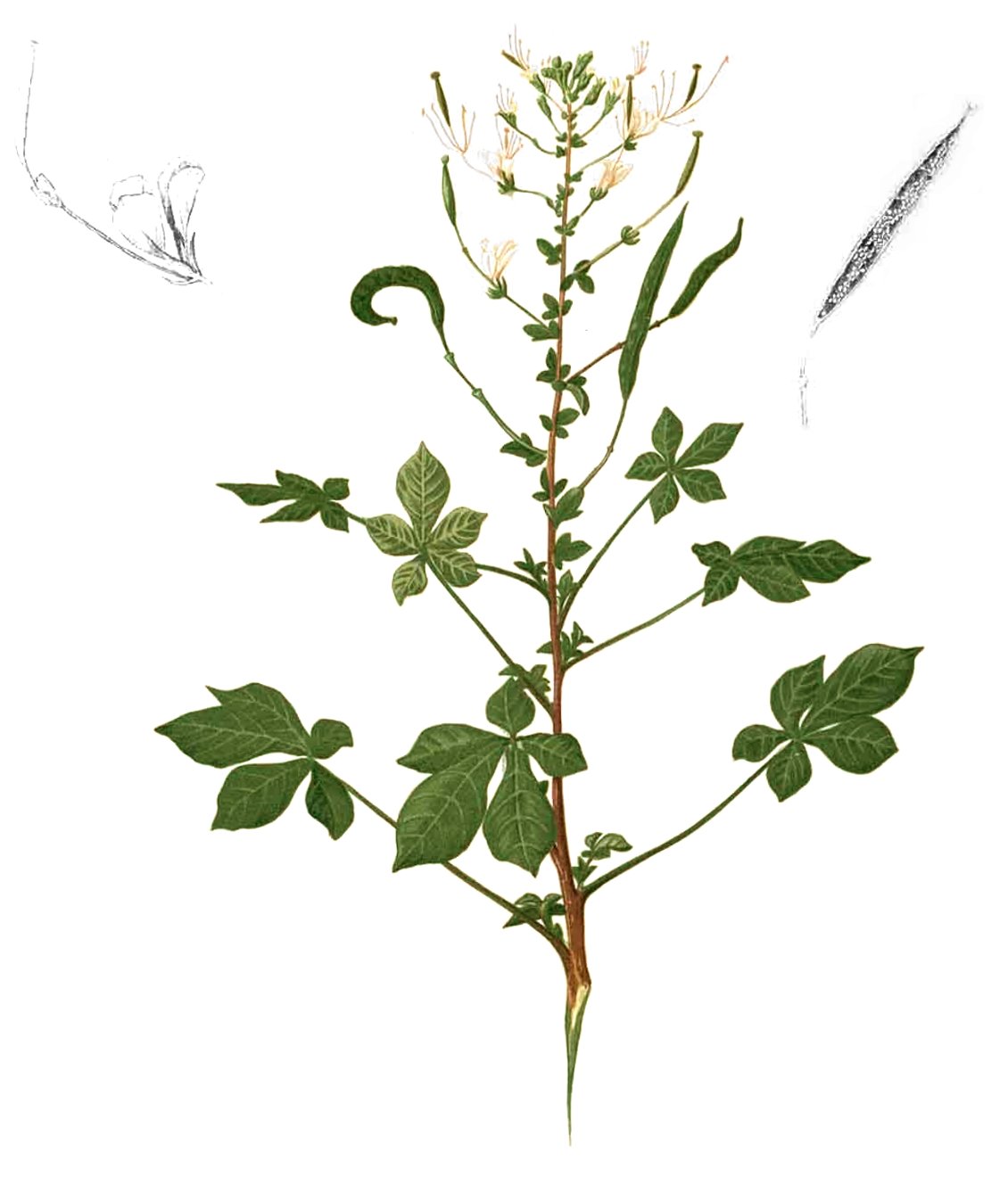
African Cabbage
Gynandropsis gynandra
☀️ Full Sun 💧 Moderate

African Eggplant
Solanum aethiopicum
☀️ Full Sun 💧 Moderate

African Potato
Coleus esculentus
☀️ Full Sun 💧 Moderate
Alexandrian Laurel
Calophyllum inophyllum
☀️ Full Sun 💧 Moderate

Alyce Clover
Alysicarpus vaginalis
☀️ Full Sun 💧 Moderate
American Black Nightshade
Solanum americanum
☀️ Full Sun 💧 Moderate

Apple of Sodom
Calotropis procera
☀️ Full Sun 💧 Low
Balloon Vine
Cardiospermum halicacabum
☀️ Full Sun 💧 Moderate
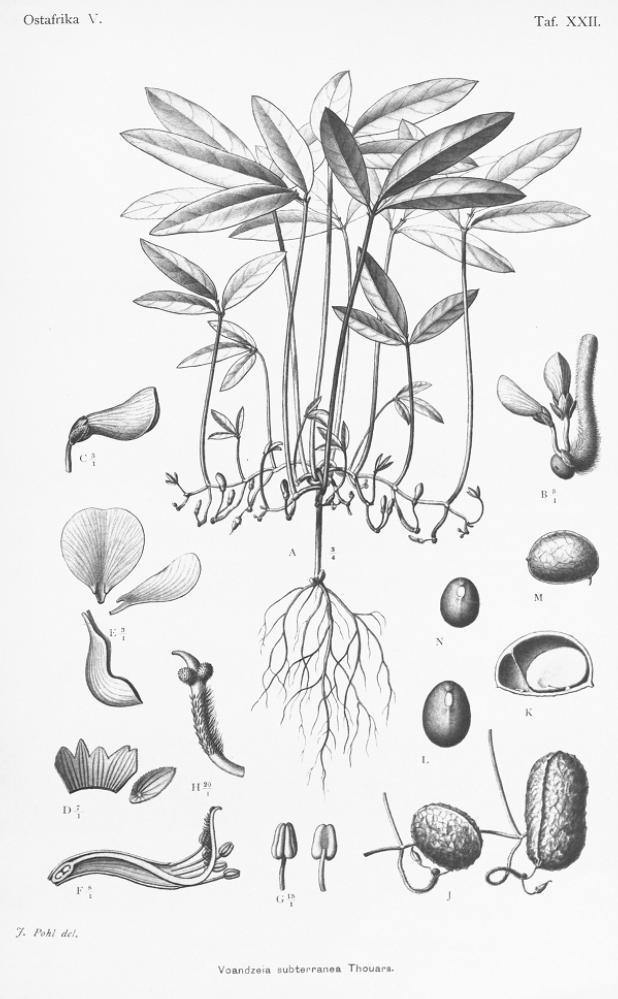
Bambara Groundnut
Vigna subterranea
☀️ Full Sun 💧 Moderate

Baobab
Adansonia digitata
☀️ Full Sun 💧 Low

Benghal Dayflower
Commelina benghalensis
☀️ Partial Sun 💧 High

Bermuda Grass
Cynodon dactylon
☀️ Full Sun 💧 Moderate

Bitter Melon
Momordica charantia
☀️ Full Sun 💧 High

Black Nightshade
Solanum nigrum
☀️ Full Sun 💧 Moderate

Black Spear Grass
Heteropogon contortus
☀️ Full Sun 💧 Low

Blinks
Montia fontana
☀️ Full Sun 💧 High

Bog Yellowcress
Rorippa palustris
☀️ Full Sun 💧 High
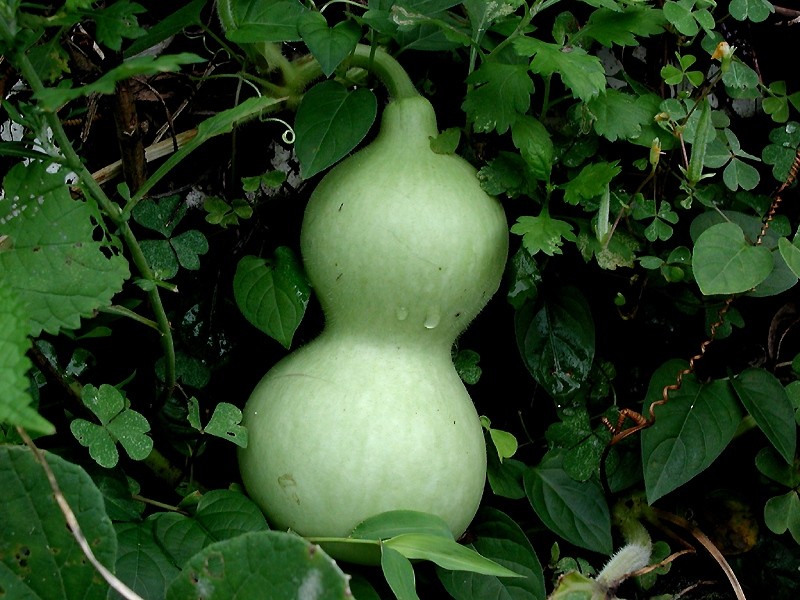
Bottle Gourd
Lagenaria siceraria
☀️ Full Sun 💧 High
Branched Plantain
Plantago arenaria

Brittle Bladder Fern
Cystopteris fragilis

Burgu
Echinochloa stagnina
☀️ Full Sun 💧 Aquatic

Carry Me Seed
Phyllanthus amarus
☀️ Full Sun 💧 Moderate
Castor Bean
Ricinus communis
☀️ Full Sun 💧 High
Common Questions
Which African native plants grow best in full sun?
Baobab, lemon basil, and puncture vine grow best in full sun, requiring a minimum of six to eight hours of direct daily sunlight for proper growth.
Can African native plants survive winter frost?
Most tropical African plant species cannot survive frost below 0 °C (32 °F) and require protection in a warm room or heated greenhouse during winter.
Which African plant species grow well in wet soil?
Jointed flatsedge, dwarf waterclover, and gotu kola thrive in wet soil, surviving in waterlogged mud and shallow pond edges.