Plants Native to Argentina
53 plant profiles · Explore plants native to Argentina, from high-altitude cacti to subtropical perennials. Learn light, water, and growing needs for 39 native species.
Argentina encompasses diverse climatic zones ranging from the arid high-altitude Andes to humid subtropical rainforests and cool Patagonian steppes. This varied topography supports a broad spectrum of plant life adapted to distinct moisture levels and temperature ranges. Selecting the right species depends on matching your growing environment to the plant's specific region of origin within the country.
For high-sun and well-drained environments, highland species like the Red Crown Cactus (Rebutia minuscula) thrive in nutrient-poor soils with minimal moisture. Temperate borders benefit from long-blooming perennials such as purpletop vervain (Verbena bonariensis) and anise-scented sage (Salvia guaranitica), both of which attract pollinators. Humid subtropical areas yield heat-tolerant species such as passion fruit (Passiflora edulis) and wax begonia (Begonia cucullata).
Cooler regions accommodate hardy trees and shrubs like the monkey puzzle (Araucaria araucana) and Darwin’s barberry (Berberis darwinii), which withstand winter temperatures down to -15 °C (5 °F). Indoor spaces suit shade-tolerant tuberous species such as purple shamrock (Oxalis triangularis), which require bright indirect light and moderate humidity. Evaluate your local winter minimums and summer rainfall before choosing species from this group.
Amaryllis
Hippeastrum vittatum
☀️ Bright Indirect 💧 Moderate

Anise-Scented Sage
Salvia guaranitica
☀️ Full Sun 💧 Moderate

Antarctic Beech
Nothofagus antarctica
☀️ Full Sun 💧 Moderate

Blue Passionflower
Passiflora caerulea
☀️ Full Sun 💧 Moderate
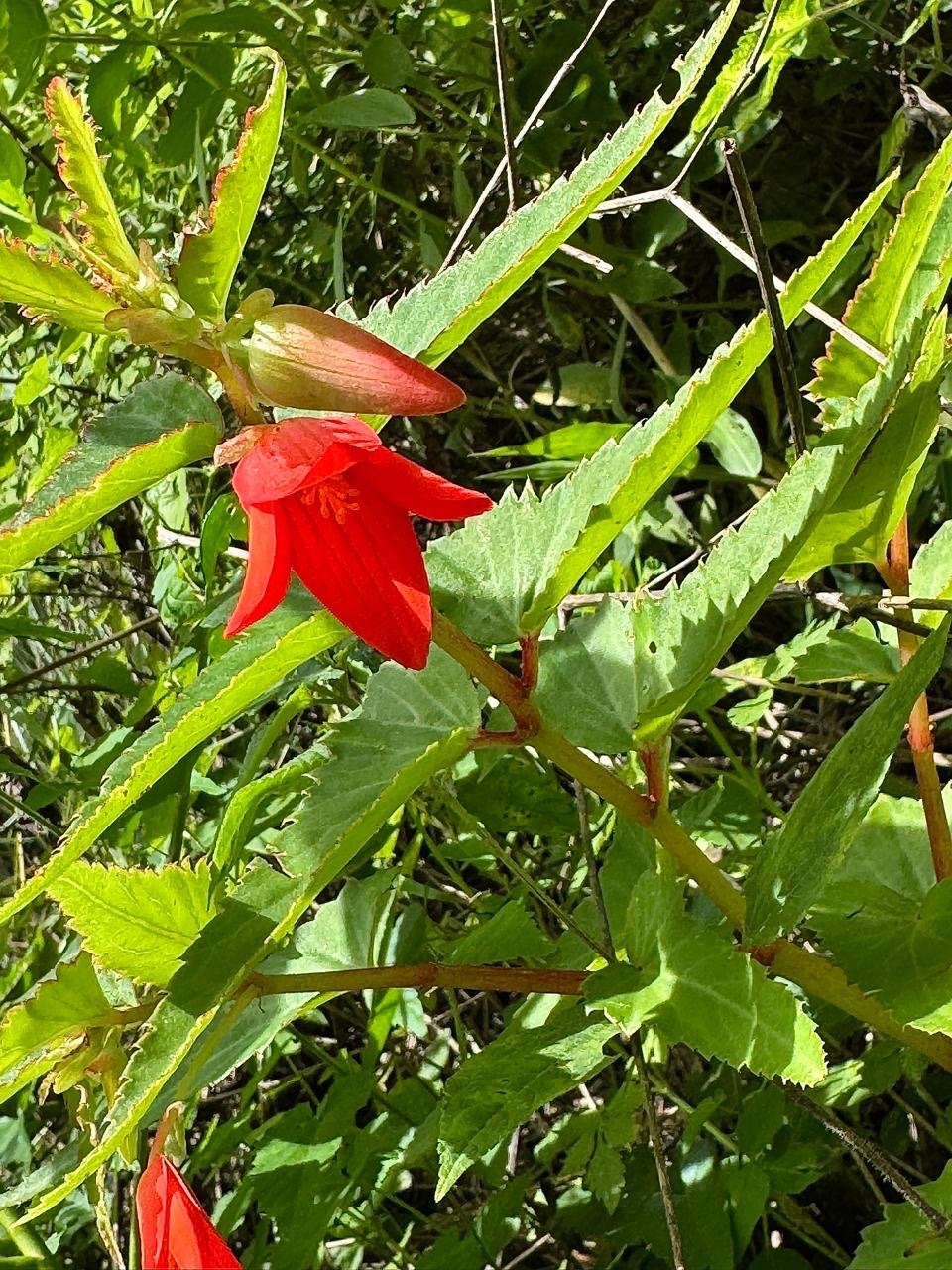
Bolivian Begonia
Begonia boliviensis
☀️ Partial Shade 💧 Moderate
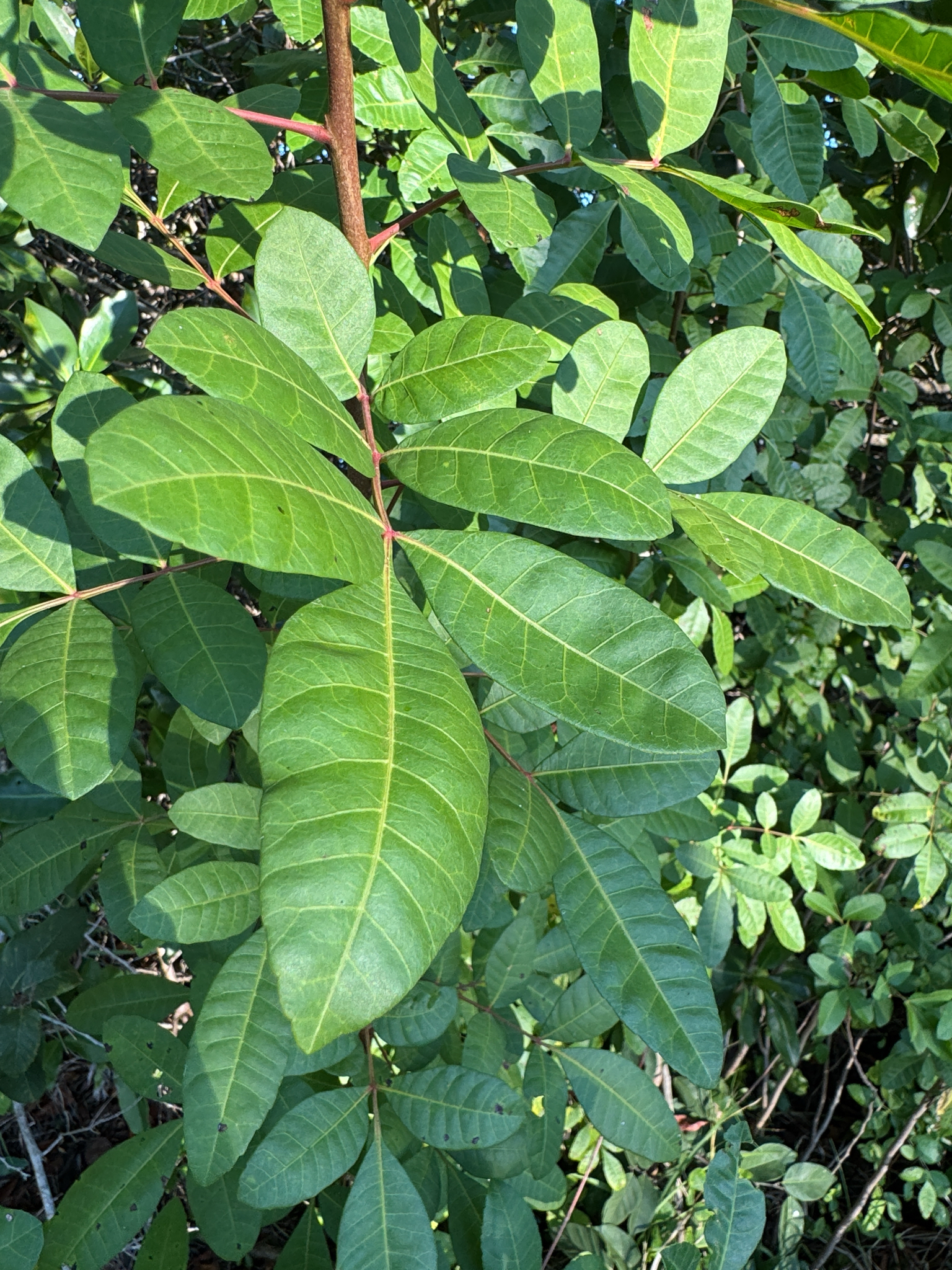
Brazilian Pepper
Schinus terebinthifolia
☀️ Full Sun 💧 Low

Brazilian Waterweed
Elodea densa
💧 Aquatic

Calico Flower
Aristolochia littoralis
☀️ Partial Sun 💧 Moderate
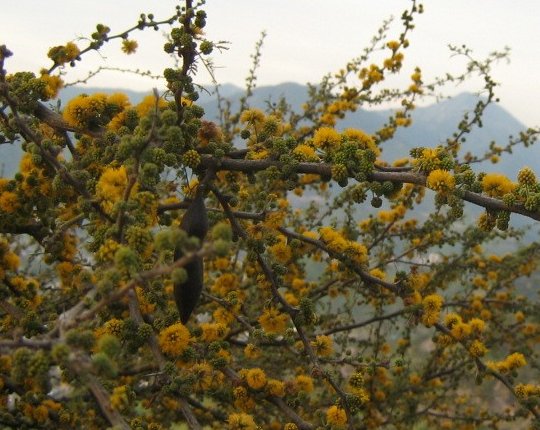
Caven Thorn
Vachellia caven
☀️ Full Sun 💧 Low

Chilean Cedar
Austrocedrus chilensis
☀️ Full Sun 💧 Low

Chilean Evening Primrose
Oenothera stricta
☀️ Full Sun 💧 Low
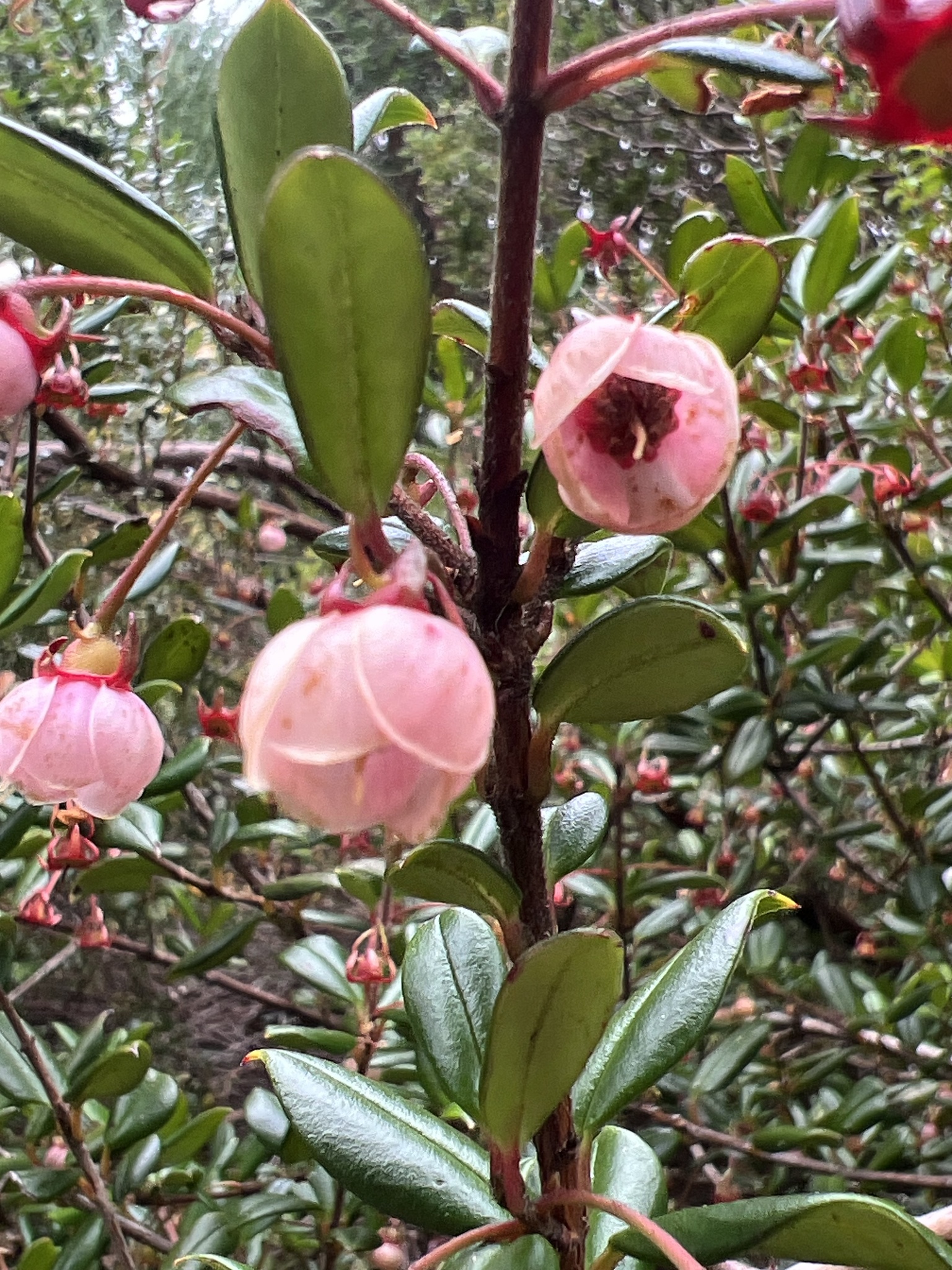
Chilean Guava
Ugni molinae
☀️ Full Sun 💧 Moderate

Chilean Mayten
Maytenus boaria
☀️ Full Sun 💧 Moderate

Chilean Wineberry
Aristotelia chilensis
☀️ Full Sun 💧 Moderate

Cockspur Coral Tree
Erythrina crista-galli
☀️ Full Sun 💧 Moderate

Darwin’s Barberry
Berberis darwinii
☀️ Full Sun 💧 Moderate

Feijoa
Feijoa sellowiana
☀️ Full Sun 💧 Moderate

Flowering Maple
Callianthe picta
☀️ Partial Sun 💧 Moderate

Golden Dock
Rumex maritimus
☀️ Full Sun 💧 High

Great Bougainvillea
Bougainvillea spectabilis
☀️ Full Sun 💧 Low

Hardy Fuchsia
Fuchsia magellanica
☀️ Partial Shade 💧 Moderate

Inca Lily
Alstroemeria psittacina
☀️ Partial Shade 💧 Moderate

Jacaranda
Jacaranda mimosifolia
☀️ Full Sun 💧 Moderate

Jasmine Tobacco
Nicotiana alata
☀️ Full Sun 💧 Moderate
Common Questions
Which Argentinian plants are hardy in cold climates?
Monkey puzzle (Araucaria araucana) and Darwin’s barberry (Berberis darwinii) tolerate temperatures down to -15 °C (5 °F), making them suitable for temperate regions in USDA zones 7 through 10.
Do plants native to Argentina need full sun?
Highland cacti and steppe perennials require 6–8 hours of direct sun daily, while subtropical understory species like purple shamrock prefer bright, indirect sunlight.
Are Argentinian native plants drought tolerant?
Andean and western steppe species resist extended dry periods, but eastern and northern species such as passion fruit demand consistent moisture during active summer growth.
Can you grow Argentinian native plants indoors?
Compact species like purple shamrock and wax begonia grow well indoors when kept at temperatures of 18–24 °C (65–75 °F) near a bright window.