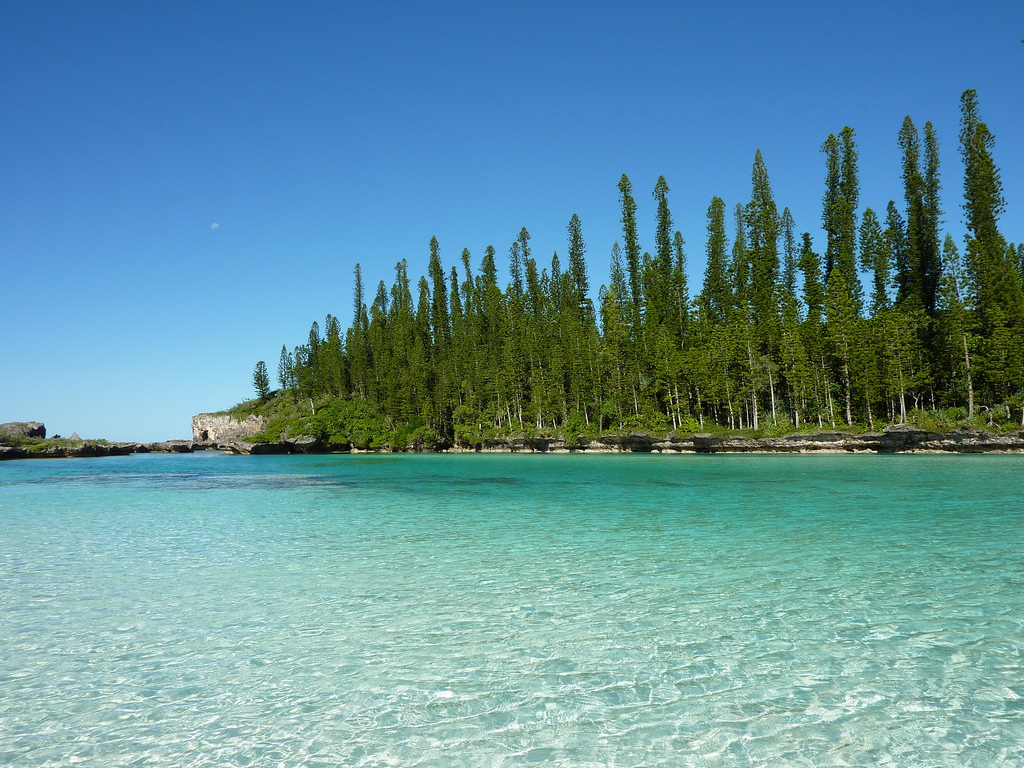
The monkey puzzle tree (Araucaria araucana) is a striking evergreen conifer native to central and southern Chile and western Argentina, instantly recognisable by its stiff, triangular, scale-like leaves arranged in dense spirals. Growing into a grand architectural specimen reaching 30-40 m (98-131 ft) tall, it serves as an imposing focal point in large gardens and arboretums.
Growing this conifer successfully requires patience and plenty of space, as it develops slowly and detests being transplanted once established. Give it deep, well-drained soil and full sun to prevent the lower branches from dying back prematurely.
Key Facts
- Light: Full sun for optimal growth
- Water: Deep weekly watering during the first summer
- Soil: Well-drained, acidic to neutral loam
- Hardiness: USDA zones 7 through 10
- Growth rate: Slow, averaging 30 cm (12 in) per year
Who Should Grow a Monkey Puzzle Tree
A monkey puzzle tree suits large landscapes, historic estates, and gardeners with immense patience who want a living fossil with prehistoric presence. Because it eventually towers up to 40 m (131 ft) with a trunk diameter of 1-1.5 m (3.3-4.9 ft), it is completely unsuited for standard suburban front yards or small containers. You must commit to a permanent location from day one, as the deep root system resents being moved.
Gardeners in USDA zones 7 to 10 can safely cultivate this conifer outdoors year-round. It thrives in maritime climates with cool summers and moderate rainfall, struggling severely in humid, hot subtropical regions.
How to Identify Monkey Puzzle
The monkey puzzle tree is identified by its thick, snake-like branches covered entirely in dark green, sharp, overlapping leaves that persist for 10 to 15 years. Young trees feature branches that sweep all the way to the ground, while mature specimens drop their lower limbs to reveal a straight, cylindrical trunk covered in thick, fire-resistant, resinous bark resembling cracked tortoise shell.
- Leaves: Stiff, dark green, triangular, 3-5 cm (1.2-2.0 in) long with sharp prickles
- Bark: Grey-brown, deeply fissured, and up to 10 cm (4 in) thick
- Cones: Large, globe-shaped female cones grow up to 20 cm (7.9 in) wide and disintegrate on the tree to release large, edible seeds
Mature Size and Growth Habit
A mature monkey puzzle tree reaches a towering height of 30 to 40 m (98 to 131 ft) in its native habitat, though cultivated specimens in gardens often mature between 15 and 25 m (49 and 82 ft). The crown starts out symmetrical and pyramidal, eventually flattening out into a distinctive umbrella shape as the tree ages.
Expect very slow vertical progress during the first decade, rarely exceeding 30 cm (12 in) of growth per year. The spread of the canopy eventually spans 8 to 15 m (26 to 49 ft), making it essential to leave adequate clearance from power lines and structural foundations.
Choosing the Right Site for Monkey Puzzle
Choose a planting site that receives full sun and has completely uninhibited drainage. While it tolerates partial shade when very young, specimens grown in deep shade develop sparse, lanky branches and poor form.
- Soil drainage: Standing water causes fatal root rot within weeks
- Air circulation: Avoid low frost pockets where cold air settles
- Space: Keep at least 10 m (33 ft) away from buildings and walkways due to falling heavy cones and sharp foliage
Planting Your Monkey Puzzle Tree
Plant container-grown or balled-and-burlapped monkey puzzle trees in early spring or autumn to give roots time to settle before temperature extremes. Dig a hole twice as wide as the root ball and exactly the same depth, ensuring the top of the root flare sits slightly above the surrounding soil level.
- Handle the root system with extreme care, as damaged roots struggle to recover
- Backfill with native soil, firming gently to remove large air pockets
- Apply a 7 cm (2.8 in) layer of organic bark mulch across a 1 m (3.3 ft) radius to retain moisture, keeping mulch a few inches away from the trunk
- Water thoroughly immediately after planting until the root zone is saturated
Watering and Feeding Care
Water young monkey puzzle trees every 7 to 10 days during dry summer spells for the first 3 years after planting. Mature trees are deeply rooted and drought-tolerant, though prolonged summer droughts will cause lower branch dieback.
- Provide 25 mm (1 in) of water per week during extended dry periods
- Avoid fertilizing with high-nitrogen commercial blends, which cause weak, susceptible growth
- Apply a balanced, slow-release organic fertilizer or well-rotted compost around the drip line in early spring if soil fertility is poor
Pruning and Maintenance
Pruning a monkey puzzle tree is rarely required, except to remove dead, damaged, or diseased branches in late winter. Never cut into the central leader or top the tree, as this permanently ruins its natural symmetrical shape.
- Wear heavy leather gloves and eye protection when working near the razor-sharp leaves
- Cut dead branches cleanly back to the main trunk collar without leaving a stub
- Sweep up fallen foliage regularly if planted near high-traffic paths to prevent accidental injuries
Troubleshooting Monkey Puzzle Problems
Brown leaves and branch dieback on a monkey puzzle tree are usually caused by root stress or poor soil drainage rather than disease. Inspect the root zone and check your watering habits immediately if you notice foliar discoloration.
- Symptom: Lower branches turning brown and dropping prematurely
Cause: Waterlogged soil or heavy shade
Fix: Improve site drainage and ensure the tree receives full sun - Symptom: Entire crown turning yellow-brown
Cause: Severe root damage from transplanting or construction
Fix: Apply a root stimulant and maintain consistent moisture without flooding - Symptom: Scale insects on stems
Cause: Environmental stress
Fix: Spray affected areas with horticultural dormant oil in late winter
Winter Care and Cold Hardiness
A monkey puzzle tree withstands winter temperatures down to -15 to -20 °C (5 to -4 °F) once established, making it the hardiest species in its genus. Young trees under 3 years old are susceptible to cold wind burn and should be wrapped in burlap if severe polar vortex conditions are forecast.
Heavy winter snow loads can accumulate on the stiff, horizontal branches and snap them. Gently brush heavy wet snow upward and off the canopy using a soft broom after major blizzards.
Traditional Uses and Edible Seeds
The large, nutritious seeds, known locally as piñones, were traditionally harvested and consumed by the Pehuenche indigenous people of the Andes as a vital dietary staple. These protein-rich seeds are similar in taste and texture to large pine nuts and can be eaten raw, boiled, or roasted.
The durable, straight-grained timber was also historically used in construction, furniture making, and ship masts before strict conservation laws protected the remaining wild populations in Chile and Argentina.
Monkey Puzzle Through the Seasons
| Spring | Apply a light top-dressing of compost around the drip line. Check young trees for winter wind damage and remove any broken branch tips. |
|---|---|
| Summer | Provide deep weekly irrigation for trees planted within the last 3 years. Monitor foliage for signs of scale insects during dry spells. |
| Autumn | Apply a fresh layer of organic mulch to insulate roots before freezing temperatures arrive. Clear away fallen debris from around the base. |
| Winter | Wrap juvenile trees in burlap if temperatures drop below -15 °C (5 °F). Brush heavy snow accumulations off branches to prevent limb breakage. |
Monkey Puzzle Leaf and Branch Problems Explained
| What you see | Likely cause | What to do |
|---|---|---|
| Lower branch dieback | Poor drainage or shade | Ensure full sun exposure and redirect standing water away from the root zone. |
| Brown needle tips | Wind scorch or drought | Provide wind protection for young specimens and increase summer watering frequency. |
| White cottony spots on stems | Pine needle scale infestation | Treat affected branches with horticultural soap or dormant oil spray in early spring. |
Monkey Puzzle Cultivars to Know
- ‘Araucana’ – the standard straight species with typical dark green prickly foliage
- ‘Compacta’ – a slower-growing dwarf selection with a denser, tighter crown
- ‘Variegata’ – features rare cream and yellow splashes on the mature leaves
Frequently Asked Questions
How fast does a monkey puzzle tree grow?
A monkey puzzle tree grows very slowly, typically adding about 30 cm (12 in) of height per year under ideal conditions.
Can you grow a monkey puzzle tree in a pot?
You can grow a monkey puzzle tree in a large container indoors or on a patio for its first 3 to 5 years, but it must eventually be planted in the ground because of its massive ultimate size.
Why are the lower leaves on my monkey puzzle turning brown?
Lower leaves turning brown and dropping is often a natural part of aging, but severe browning usually indicates root rot from overwatering or lack of sunlight.
Are monkey puzzle tree seeds edible?
Yes, large female cones produce edible seeds known as piñones that taste similar to large pine nuts and were traditionally roasted or boiled.
How do you propagate a monkey puzzle tree?
You propagate monkey puzzle trees primarily from fresh seeds, as stem cuttings have an extremely low success rate and rarely develop a straight central leader.
Sources & Verification
Taxonomy and distribution are checked against the databases below. Care guidance is written for cultivated species only and reviewed by our editor. How We Build Plant Profiles →