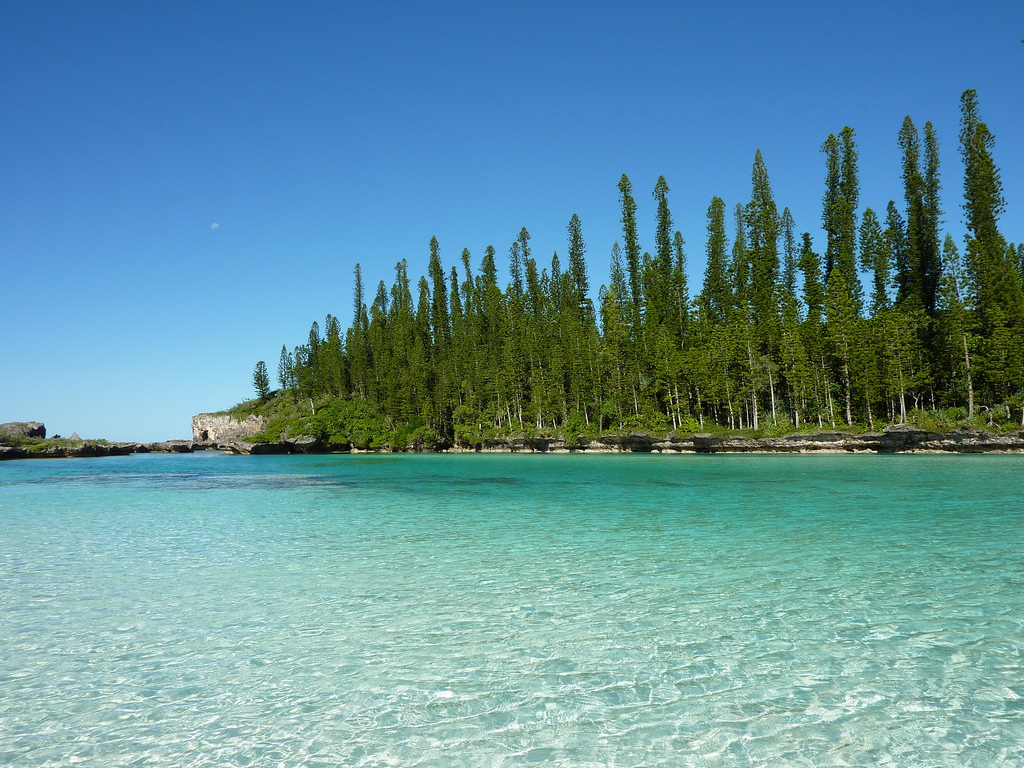
The Paraná pine (Araucaria angustifolia) is an evergreen conifer native to the humid subtropical forests of southern Brazil and parts of Argentina. It stands out in the landscape due to its towering, straight trunk and distinctive horizontal branches topped with tufts of dark green foliage.
Growing this species requires patience and plenty of space, as it develops a massive structural canopy over decades. Gardeners in mild temperate regions can establish specimens outdoors, provided winter temperatures do not drop below its hardiness threshold.
Key Facts
- Type: Evergreen conifer tree
- Native Range: Southern Brazil and Argentina
- Hardiness: USDA zones 8 to 10
- Growth Rate: Moderate to slow
- Conservation Status: Critically Endangered
Is the Paraná Pine Right for Your Garden?
Growing the Paraná pine suits large estates, botanical collections, and mild maritime climates where specimens have decades to mature without spatial restriction. You should plant this conifer if you want a striking focal point with a dramatic silhouette reminiscent of prehistoric landscapes. The species demands patience, as young plants establish slowly before gaining height. Avoid planting near structures or power lines, because mature trees regularly exceed 25 m (82 ft) in height.
- Requires at least 10 m (33 ft) of clearance from buildings.
- Thrives in coastal and mild inland regions with high humidity.
- Not suitable for small urban gardens or cold continental winters.
How to Identify a Paraná Pine
Recognising the Paraná pine involves observing its stark architectural form and unique foliage arrangement. Young specimens start as pyramidal trees, but mature individuals drop their lower branches to form a bare trunk topped with a flat, spreading crown that resembles a candelabra. The leaves are rigid, dark green, lance-shaped scales measuring 3-6 cm (1.2-2.4 in) long with sharply pointed tips that cover the entire branch.
- Trunk diameter reaches up to 1 m (3.3 ft) at maturity with greyish-brown, rough bark.
- Cone production occurs on mature trees, with female cones growing up to 25 cm (10 in) across.
- Distinguished from the monkey puzzle tree (Araucaria araucana) by its broader, flatter leaf tips and distinct native range.
What Size Does a Paraná Pine Reach?
A mature Paraná pine typically reaches a height of 25 to 35 m (82 to 115 ft) in its native habitat, though cultivated specimens in cooler regions often remain smaller. The canopy spreads outwards by 10 to 20 m (33 to 66 ft) once the tree develops its signature flat-topped crown. Annual vertical growth averages 30 to 50 cm (12 to 20 in) under optimal conditions once the root system establishes.
- Juvenile height after 10 years: approximately 4 m (13 ft).
- Trunk bark thickness can exceed 10 cm (4 in) to protect against natural fires.
- Container specimens or bonsai forms require constant root pruning to restrict size.
Choosing the Right Site for Growing
Selecting a location with full sun and deep, rich soil ensures the long-term health of your tree. The species performs best in positions receiving at least 6 hours of direct sunlight daily. Air circulation is essential, though protection from gale-force winds prevents structural damage to young, top-heavy canopies.
- Soil must be well-draining to prevent root rot in heavy clay.
- Prefers acidic to neutral pH levels between 5.5 and 6.5.
- Requires a minimum winter temperature threshold of -10 °C (14 °F) for established trees.
How to Plant Paraná Pine Seeds and Saplings
Planting fresh seeds or container-grown saplings requires careful timing and soil preparation to encourage deep root development. Sow seeds vertically with the broad end downwards in deep pots filled with sandy, well-draining compost. When transplanting nursery stock, dig a hole twice as wide as the root ball and ensure the root collar sits level with the surrounding soil grade.
- Germination occurs within 4 to 8 weeks at temperatures around 20 °C (68 °F).
- Space multiple trees at least 12 m (39 ft) apart to allow for lateral canopy spread.
- Water newly planted saplings deeply once a week for the first 2 years.
Essential Care and Watering Guidelines
Providing consistent moisture during dry spells helps young trees establish a deep, anchoring root system. Established specimens tolerate occasional dry periods but perform best with regular rainfall or supplemental irrigation during summer droughts. Apply a balanced organic mulch in a 1 m (3.3 ft) circle around the base to retain soil moisture, keeping the mulch a few inches away from the trunk.
- Water young trees when the top 5 cm (2 in) of soil dries out.
- Feed in spring using a slow-release fertilizer formulated for acid-loving evergreens.
- Avoid high-nitrogen fertilizers that cause weak, vulnerable stem growth.
Pruning Your Paraná Pine
Pruning a Paraná pine is rarely necessary and should be limited to the removal of dead, damaged, or diseased branches. The tree naturally self-prunes its lower trunk as it matures, creating its iconic umbrella-like silhouette. Never cut the main growing tip, as this permanently deforms the single dominant leader.
- Sanitize pruning saws with isopropyl alcohol before cutting to prevent fungal spread.
- Make clean cuts just outside the branch collar without leaving stubs.
- Perform structural pruning only during the dormant winter months.
Common Pests, Diseases, and Problems
Monitoring for environmental stress and fungal pathogens prevents most health declines in cultivated specimens. Root rot frequently develops in poorly draining soils that stay saturated after heavy rainstorms. Scale insects and mealybugs occasionally infest the dense needle clusters on young branches.
- Treat scale outbreaks with horticultural oil applied on a calm, overcast day.
- Improve soil drainage immediately if lower needles turn brown and drop prematurely.
- Protect young bark from mechanical damage caused by lawn equipment or rodents.
Winter Care and Cold Hardiness
Protecting your tree from extreme winter freezes is critical when growing outside its native subtropical range. Established trees tolerate cold down to -10 °C (14 °F), but young specimens younger than 5 years suffer severe damage from heavy frost. Wrap trunks in horticultural fleece and apply a thick layer of bark mulch over the root zone if severe frost is forecasted.
- Move potted container plants into a greenhouse or unheated porch before hard freezes.
- Withhold high-nitrogen fertilizers after late summer to allow new growth to harden off.
- Clear heavy wet snow from horizontal branches to prevent snapping.
Traditional and Modern Uses
The large edible seeds, known locally as pinhões, have served as a vital food source for indigenous peoples and local wildlife for centuries. The timber was historically harvested for construction, furniture, and paper pulp, though commercial logging is now strictly regulated due to conservation laws. In horticulture, the species is cultivated as a botanical specimen in arboretums across mild temperate zones.
- Seeds are boiled or roasted before consumption during the winter harvest season.
- Resin tapped from the trunk has been used in traditional remedies and sealing agents.
- Valued in conservation programs to preserve endangered genetic lines outside its shrinking natural habitat.
Paraná Pine Through the Seasons
| Spring | Apply a slow-release organic fertilizer around the root zone and check young trees for signs of scale insects. |
|---|---|
| Summer | Provide deep weekly watering during prolonged dry spells and ensure organic mulch remains replenished. |
| Autumn | Collect fallen seeds if applicable and clear any debris from around the base to discourage fungal growth. |
| Winter | Wrap young specimens with frost fleece if temperatures drop below <strong>-5 °C (23 °F)</strong> and brush off heavy snow. |
Paraná Pine Needle and Branch Problems Explained
| What you see | Likely cause | What to do |
|---|---|---|
| Yellowing lower needles | Natural seasonal needle drop or overwatering | Check soil moisture and reduce irrigation frequency if the root zone stays waterlogged. |
| Tip dieback on branches | Frost damage or sudden cold drop | Prune away dead wood in spring after all danger of frost has passed. |
| Sticky residue on foliage | Scale insect or aphid infestation | Spray the affected branches thoroughly with horticultural soap or neem oil. |
Frequently Asked Questions
What is the difference between Paraná pine and monkey puzzle tree?
The Paraná pine (Araucaria angustifolia) features broader, flatter leaf tips and originates from South America, whereas the monkey puzzle tree (Araucaria araucana) has tightly overlapping, sharply pointed triangular leaves and hails from Chile and Argentina.
How cold hardy is Araucaria angustifolia?
Established trees tolerate cold down to approximately -10 °C (14 °F), corresponding to USDA zone 8. Younger trees require frost protection during their first few winters outdoors.
Can you grow Araucaria angustifolia in the UK?
Yes, you can grow this species outdoors in the mildest regions of the UK, such as coastal areas of Cornwall and western Scotland, though winter frost protection is essential for young specimens.
How do you grow Araucaria angustifolia from seeds?
Sow fresh seeds vertically with the pointed end facing upward in deep pots filled with well-draining acidic compost, keeping them warm and moist until germination occurs in 4 to 8 weeks.
Can Araucaria angustifolia be kept as a bonsai?
Yes, growers train this conifer as a bonsai by regularly trimming the taproot and pinching back new growth tips to maintain a miniature candelabra shape.
Information about traditional or historical uses is provided for educational interest only and is not medical advice. Do not use any plant to treat a condition without speaking to a qualified professional.
Sources & Verification
Taxonomy and distribution are checked against the databases below. Care guidance is written for cultivated species only and reviewed by our editor. How We Build Plant Profiles →