Types of Conifer Trees and Identification
32 plant profiles · Identify and grow 23 types of conifer trees. Compare needles, cones, site requirements, and mature sizes for pines, firs, cypresses, and yews.
Conifers are cone-bearing, woody seed plants (gymnosperms) that carry their reproductive structures in cones rather than flowers. Most species keep their foliage year-round, bearing modified leaves structured as narrow needles, flattened sprays, or overlapping scales. While native distributions span from subarctic boreal forests to southern hemisphere rainforests, conifers share an intolerance of waterlogged soil and a reliance on mycorrhizal root associations to take up soil nutrients.
When selecting a conifer for your property, match mature canopy dimensions and soil drainage to your site. For cold, continental climates and acid sands, eastern white pine (Pinus strobus) and balsam fir (Abies balsamea) establish rapidly, while white spruce (Picea glauca) tolerates sub-zero winter winds. In mild maritime regions with high rainfall, monkey puzzle (Araucaria araucana) and Japanese umbrella pine (Sciadopitys verticillata) succeed in deep, humus-rich ground. Coastal sites with salt spray suit Japanese black pine (Pinus thunbergii), whereas hot, semi-arid regions require drought-adapted selections like single-leaf pinyon (Pinus monophylla).
Toxicity and growth rates vary significantly across the family. For rapid boundary screening, Leyland cypress (Hesperotropsis leylandii) adds up to 90 cm (3 ft) of height annually, but requires regular mechanical trimming to avoid outgrowing domestic plots. For shaded woodland understories, slow-growing species such as Pacific yew (Taxus brevifolia) tolerate heavy shade, though all parts of the tree except the fleshy red aril contain lethal taxine alkaloids that pose severe risks to livestock and pets.

Balsam Fir
Abies balsamea
☀️ Full Sun 💧 Moderate

Cedar of Lebanon
Cedrus libani
☀️ Full Sun 💧 Low

Chinese Golden Larch
Pseudolarix amabilis
☀️ Full Sun 💧 Moderate

Chir Pine
Pinus roxburghii
☀️ Full Sun 💧 Low

Coast Redwood
Sequoia sempervirens
☀️ Full Sun 💧 High
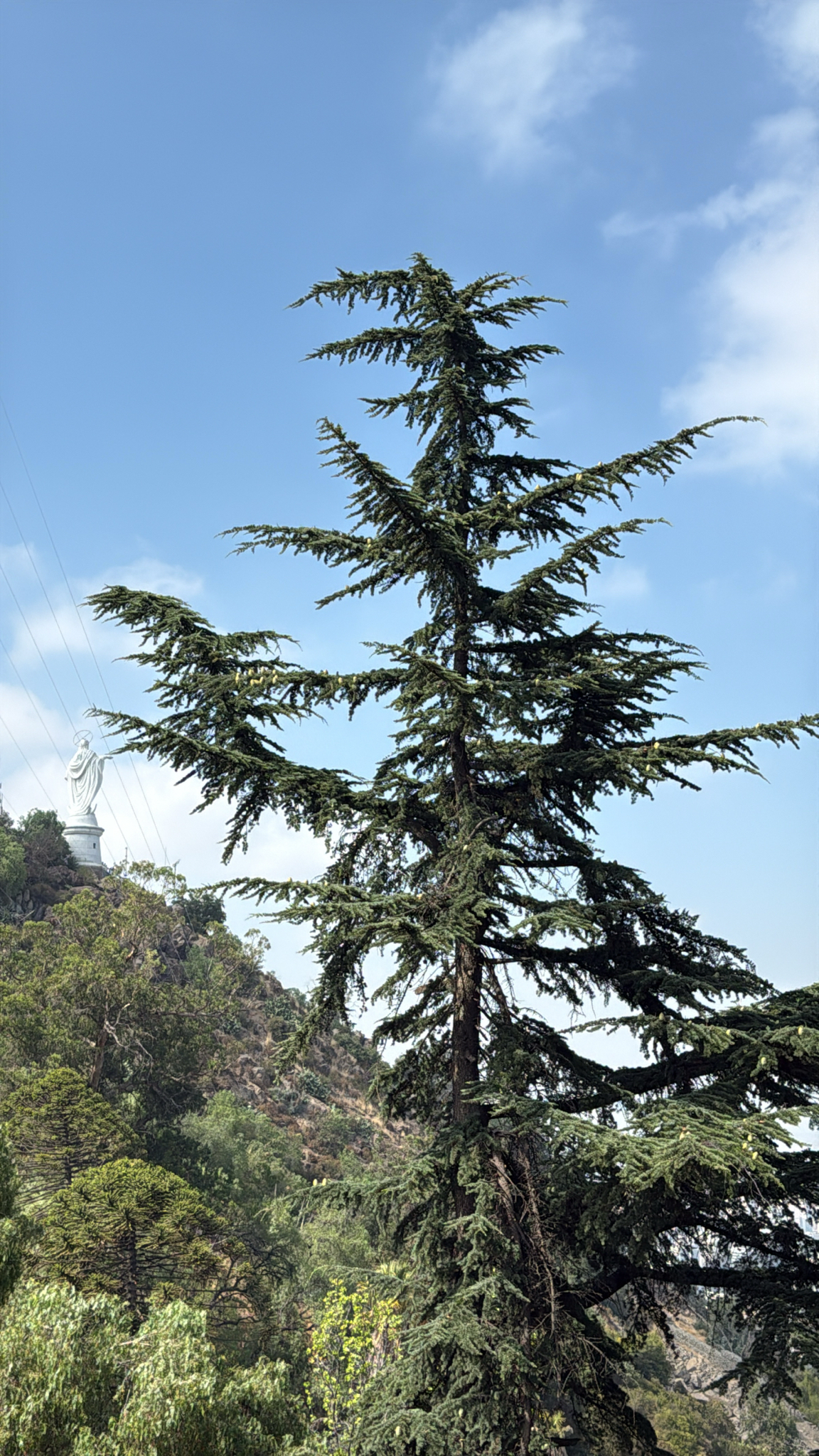
Deodar Cedar
Cedrus deodara
☀️ Full Sun 💧 Low

Eastern White Pine
Pinus strobus
☀️ Full Sun 💧 Moderate

Hoop Pine
Araucaria cunninghamii
☀️ Full Sun 💧 Moderate

Incense Cedar
Calocedrus decurrens
☀️ Full Sun 💧 Low
Japanese Black Pine
Pinus thunbergii
☀️ Full Sun 💧 Moderate
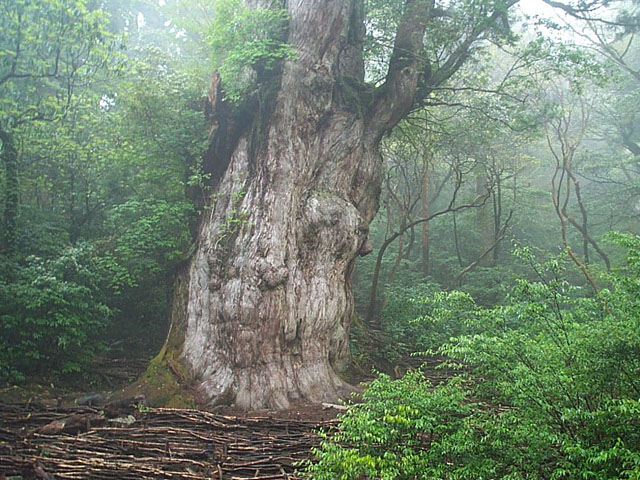
Japanese Cedar
Cryptomeria japonica
☀️ Full Sun 💧 Moderate

Japanese Umbrella Pine
Sciadopitys verticillata
☀️ Full Sun 💧 Moderate

Japanese White Pine
Pinus parviflora
☀️ Full Sun 💧 Low

King Billy Pine
Athrotaxis selaginoides
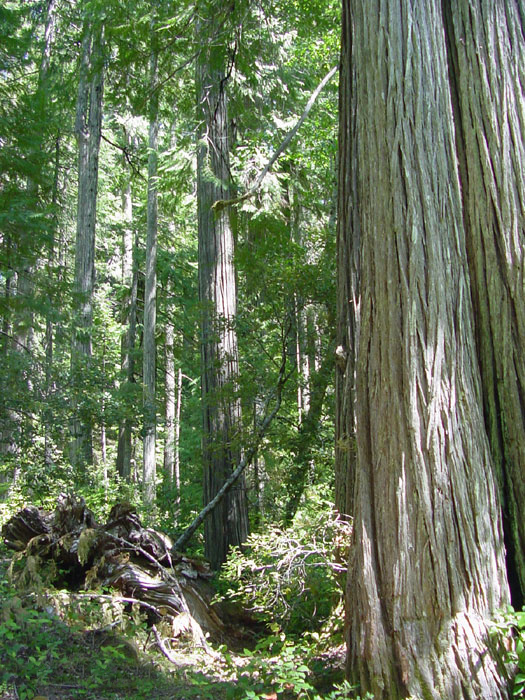
Lawson’s Cypress
Chamaecyparis lawsoniana
☀️ Full Sun 💧 Moderate

Leyland Cypress
Hesperotropsis leylandii
☀️ Full Sun 💧 Moderate

Monkey Puzzle
Araucaria araucana
☀️ Full Sun 💧 Moderate

Mountain Cypress
Widdringtonia nodiflora

Mountain Pine
Pinus mugo
☀️ Full Sun 💧 Low

Nelson’s Pinyon Pine
Pinus nelsonii

Nordmann Fir
Abies nordmanniana
☀️ Full Sun 💧 Moderate

Pacific Yew
Taxus brevifolia

Paraná Pine
Araucaria angustifolia
☀️ Full Sun 💧 Moderate

Pencil Pine
Athrotaxis cupressoides
Common Questions
What is the difference between a pine, a fir, and a spruce?
Pines (Pinus) carry needles grouped in bundles of two to five, spruces (Picea) carry individual, sharp, four-sided needles attached by woody pegs, and firs (Abies) carry flat needles attached directly to the twig by a base that looks like a suction cup.
Do all conifer trees keep their needles in winter?
Most conifers are evergreen, but several genera including larches (Larix), bald cypresses (Taxodium), and dawn redwoods (Metasequoia) are deciduous and shed their needles every autumn.
Why are the lower branches on my conifer turning brown?
Lower conifer branches brown and die primarily from light starvation as upper branches shade them out, or from fungal needle cast infections triggered by dense spacing and poor airflow.
Can you prune conifer branches back to bare wood?
Most conifers cannot generate new growth from old wood that lacks green needles, meaning hard pruning past the green foliage leaves a permanent dead zone. Yews (Taxus) are the primary exception and regenerate vigorously from dormant buds on thick, bare limbs.