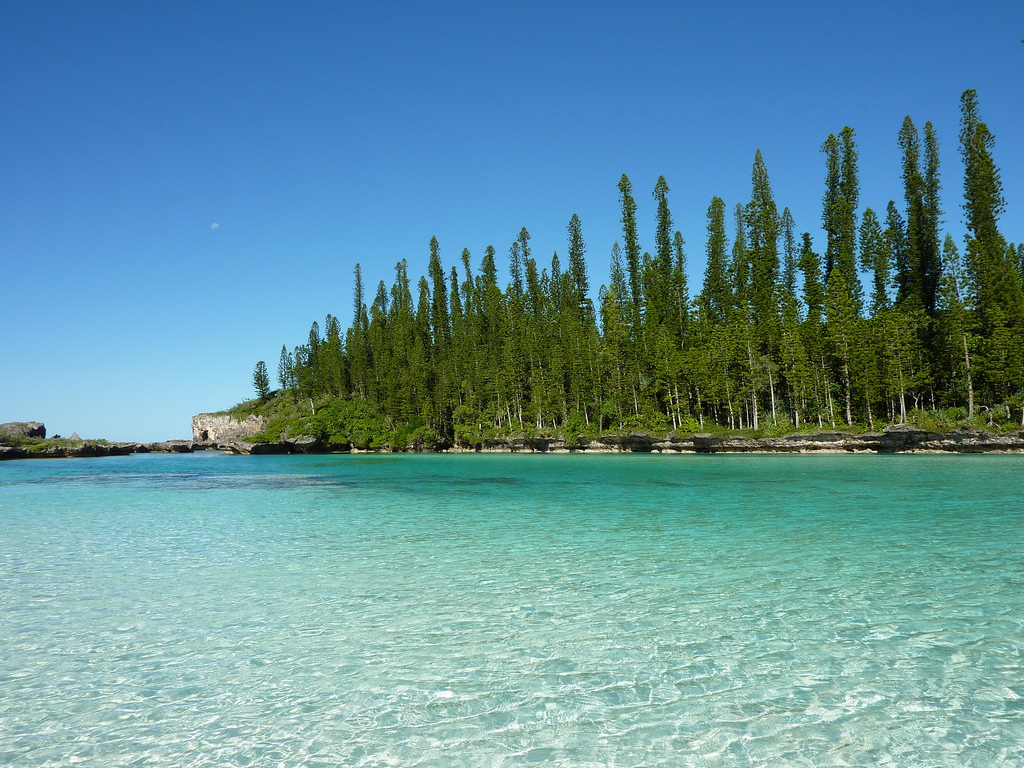
The Bunya Pine (Araucaria bidwillii) is a massive, evergreen conifer native to the rainforests of Queensland, Australia. It is instantly recognisable by its symmetrical, dome-shaped crown and sharp, lance-shaped leaves that cover the branches.
This tree is a slow-growing giant that requires significant space to reach its full potential. It is best suited for large parks or expansive botanical gardens rather than standard residential landscapes due to its extreme height and the weight of its massive cones.
Key Facts
- Light: Full sun to partial shade
- Water: Regular moisture, especially when young
- Soil: Deep, fertile, well-draining soil
- Height: Can reach 50 m (164 ft) in nature
- Toxicity: Non-toxic, though leaves are sharp
What to Expect When Growing a Bunya Pine
Growing a Bunya Pine is a multi-generational commitment due to its incredibly slow growth rate and massive final size. You must ensure you have a site with at least 15 m (50 ft) of clearance in every direction to accommodate its eventual spread.
The tree develops a distinct, dome-shaped canopy as it matures, which provides significant shade. Be aware that the female cones are heavy and can weigh up to 10 kg (22 lbs), posing a serious safety risk if planted near walkways, cars, or structures.
Identifying the Bunya Pine
The Bunya Pine is identified by its dark green, lance-shaped leaves that are stiff, sharp-pointed, and arranged in two rows along the branchlets. Young trees exhibit a more conical, pyramidal shape, while older specimens develop a rounded, dome-like crown.
The bark is thick, dark, and peels away in large, horizontal scales. The most distinctive feature is the female cone, which is massive, woody, and roughly the size of a football, appearing only on mature, established trees.
Choosing the Right Site for Bunya Pine
You should select a site with deep, fertile, and well-draining soil to support the tree’s extensive root system. It thrives in locations that receive full sun but can tolerate partial shade during its early years of development.
Avoid planting this tree near buildings, driveways, or power lines due to its immense scale. Ensure the ground is clear of high-traffic areas, as the falling cones can cause significant damage or injury when they drop from the canopy.
How to Plant Bunya Pine
Planting a Bunya Pine is best done in early spring when the soil is warm and the risk of frost has passed. Dig a hole twice the width of the root ball and ensure the top of the root mass is level with the soil surface.
- Water the tree immediately after planting to settle the soil.
- Apply a 5 cm (2 in) layer of organic mulch around the base.
- Keep the mulch away from the trunk to prevent rot.
- Provide a sturdy stake if the tree is exposed to strong winds.
Watering and Feeding Requirements
Young Bunya Pines require consistent moisture during their first 3 to 5 years of growth to establish a deep root system. Once mature, these trees are moderately drought-tolerant but will maintain better health with occasional deep watering during extended dry periods.
Apply a balanced, slow-release fertiliser once per year in early spring to encourage steady growth. Avoid over-fertilising, as this can lead to weak, rapid growth that is susceptible to wind damage.
Pruning and Maintenance
Pruning a Bunya Pine is generally not required, as the tree naturally maintains a symmetrical, attractive shape. You should only remove dead or damaged branches to maintain the health of the specimen.
Use long-handled loppers and heavy-duty protective gloves when working near the foliage, as the leaves are exceptionally sharp. Never attempt to climb the tree to prune the upper canopy, as the branches are brittle and the height is extreme.
Are Bunya Nuts Edible
Bunya nuts are highly nutritious and edible when properly prepared, having been a traditional food source for Indigenous Australians for thousands of years. The seeds are found inside the heavy, woody scales of the female cones.
To prepare them, you must boil or roast the seeds until the starch inside becomes soft and creamy. Never consume them raw, as they are hard and unpalatable. The flavour is often compared to a chestnut or a potato.
Troubleshooting Common Bunya Pine Issues
The Bunya Pine is generally a resilient species with few pest or disease problems when grown in its preferred climate. Most issues arise from improper site selection or environmental stress.
- Yellowing needles: Often caused by poor drainage or waterlogged soil.
- Stunted growth: Usually indicates nutrient deficiency or lack of space.
- Branch dieback: Can result from severe drought or physical damage to the trunk.
- Falling debris: The massive cones are a natural feature, not a disease.
Bunya Pine Through the Year
| Spring | Apply a balanced, slow-release fertiliser around the drip line. Monitor young trees for consistent moisture. |
|---|---|
| Summer | Deeply water the tree during periods of extreme heat. Watch for the maturation and potential fall of heavy cones. |
| Autumn | Clear fallen debris and cones from the area around the base. Inspect the trunk for any signs of physical damage. |
| Winter | Protect young specimens from heavy frost with a burlap wrap. Keep the area clear of weeds that compete for nutrients. |
What Is Wrong With My Bunya Pine
| What you see | Likely cause | What to do |
|---|---|---|
| Yellowing needles | Poor drainage | Improve soil aeration or redirect standing water away from the root zone. |
| Slow growth | Nutrient deficiency | Apply a slow-release fertiliser in early spring. |
| Branch dieback | Severe drought | Provide deep, supplemental watering during dry spells. |
Frequently Asked Questions
Are bunya nuts poisonous?
Bunya nuts are not poisonous, but they must be cooked before eating. They are a traditional food source that is safe when boiled or roasted.
How do I eat bunya nuts?
You eat the seeds by boiling or roasting them until the interior starch softens. Once cooked, the shell is removed to reveal the edible kernel.
How tall does a Bunya Pine grow?
A Bunya Pine can reach heights of 50 m (164 ft) in its native habitat. In cultivation, it typically reaches 15 to 30 m (50 to 100 ft) depending on the site.
Why are the leaves on my Bunya Pine so sharp?
The sharp, lance-shaped leaves are a natural evolutionary adaptation to deter herbivores. Always wear thick gloves when handling the foliage to avoid injury.
Sources & Verification
Taxonomy and distribution are checked against the databases below. Care guidance is written for cultivated species only and reviewed by our editor. How We Build Plant Profiles →