Plants Native to Northern Africa
68 plant profiles · Discover 45 plants native to Northern Africa. Learn their growing habits, sun requirements, soil preferences, and ideal climate conditions.
Northern Africa stretches across arid deserts, coastal Mediterranean scrub, and temperate mountain slopes, shaping an exceptionally diverse native flora. Plants originating in this region have adapted to low rainfall, summer heat, and intense sunlight. Many species feature silvery, hirsute leaves or deep taproots that retain moisture during prolonged dry spells.
Choosing the right species for your space depends on your soil moisture and sunlight. Sun-loving perennials like sage-leaved rock-rose (Cistus salviifolius) and king’s-spear (Asphodeline lutea) thrive in dry, lean soil with 6 to 8 hours of direct sun daily. For shaded or damp spots, options like English ivy (Hedera helix) and black alder (Alnus glutinosa) prefer cool roots and soil temperatures between 10–20 °C (50–68 °F).
If you want edible or functional plants, toothbrush tree (Salvadora persica) offers fibrous stems traditionally used for oral care, while rocket (Eruca sativa) provides fast-growing salad greens in cool weather. Foliage options like dusty miller (Cineraria maritima) introduce soft silver foliage that resists wind and coastal salt spray.
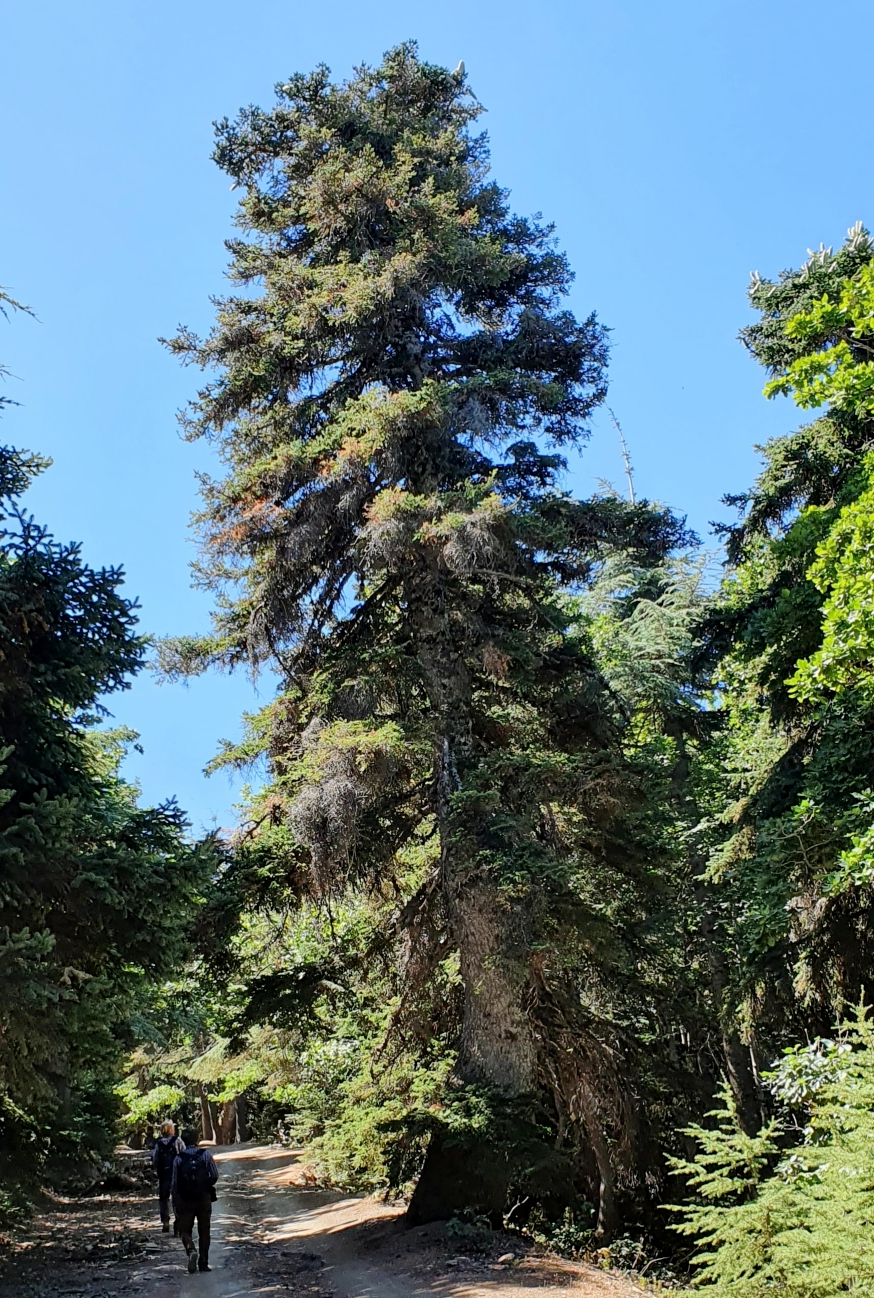
Algerian Fir
Abies numidica
☀️ Full Sun 💧 Moderate
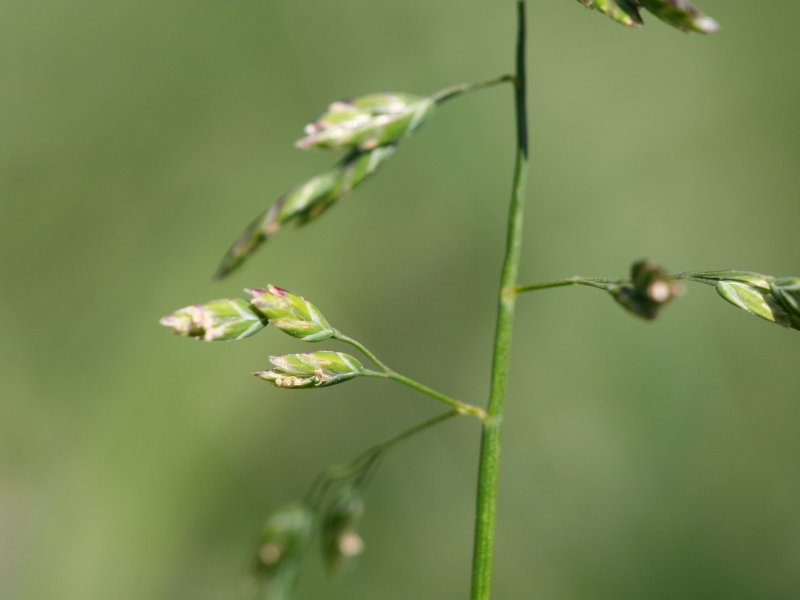
Annual Bluegrass
Poa annua

Annual Yellow Sweet Clover
Melilotus indicus
☀️ Full Sun 💧 Low

Arugula
Eruca vesicaria
☀️ Full Sun 💧 Moderate
Ashwagandha
Withania somnifera
☀️ Full Sun 💧 Low

Asparagus
Asparagus officinalis
☀️ Full Sun 💧 Moderate

Bean Trefoil
Anagyris foetida
☀️ Full Sun 💧 Low

Black Alder
Alnus glutinosa
☀️ Full Sun 💧 High

Bugleweed
Ajuga reptans
☀️ Partial Shade 💧 Moderate
Bulbous Buttercup
Ranunculus bulbosus
☀️ Full Sun 💧 Low

California Burclover
Medicago polymorpha
☀️ Full Sun 💧 Low

Clustered Dock
Rumex conglomeratus
☀️ Full Sun 💧 High
Common Centaury
Centaurium erythraea
☀️ Full Sun 💧 Low

Common Hogweed
Heracleum sphondylium
☀️ Full Sun 💧 Moderate
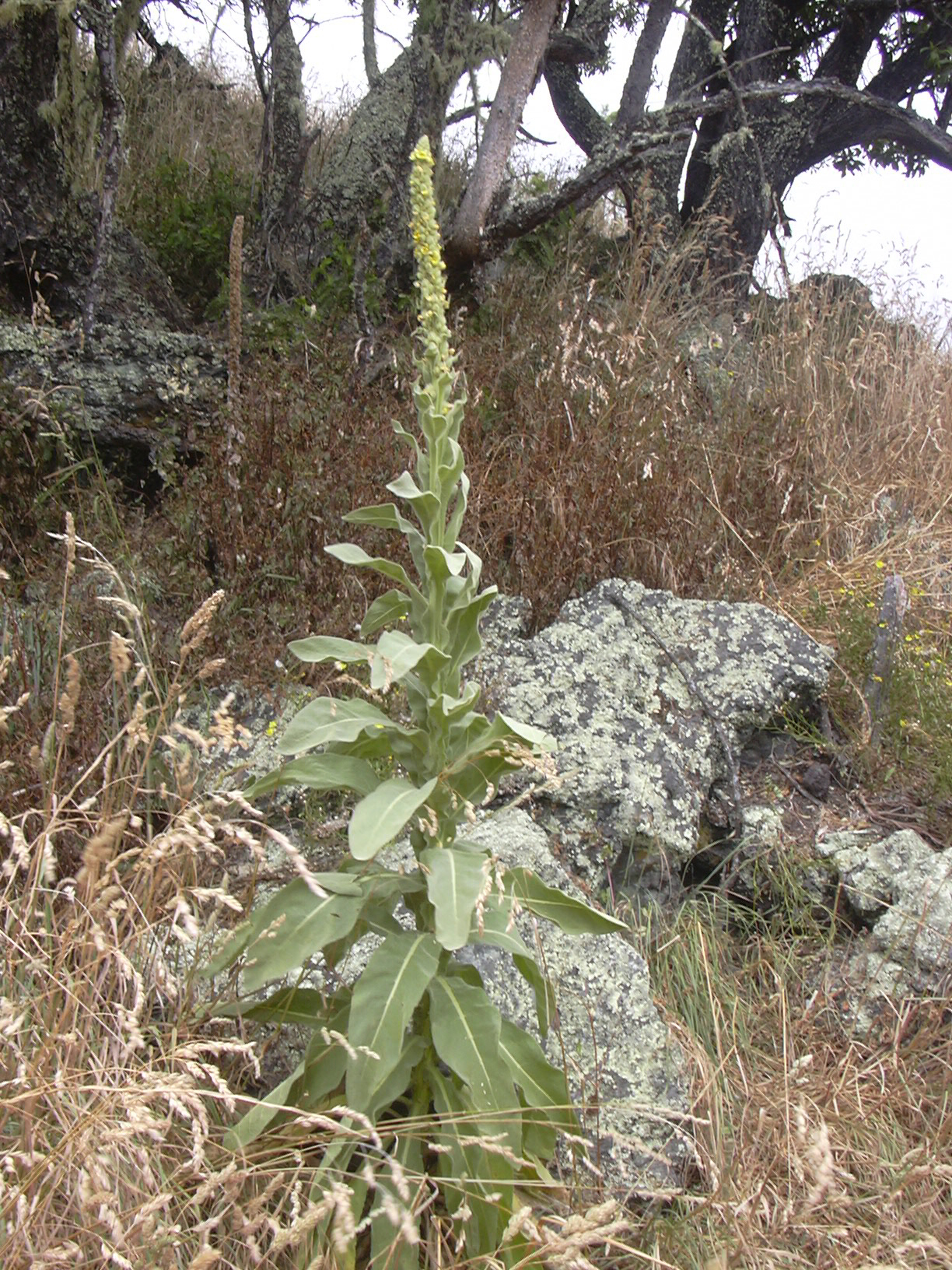
Common Mullein
Verbascum thapsus
☀️ Full Sun 💧 Low
Common Speedwell
Veronica arvensis

Coriander
Coriandrum sativum
☀️ Full Sun 💧 Moderate

Corn Sow Thistle
Sonchus arvensis
Cornsalad
Valerianella locusta
☀️ Full Sun 💧 Moderate
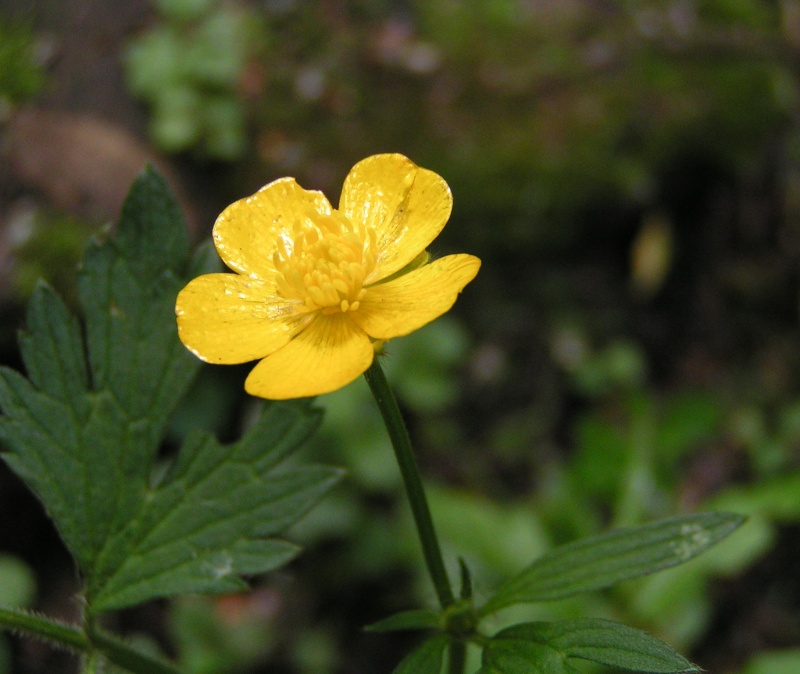
Creeping Buttercup
Ranunculus repens
☀️ Partial Sun 💧 High

Cupped Clover
Trifolium cherleri
☀️ Full Sun 💧 Low

Dusty Miller
Cineraria maritima
☀️ Full Sun 💧 Low

English Ivy
Hedera helix
☀️ Bright Indirect 💧 Moderate

Field Maple
Acer campestre
☀️ Full Sun 💧 Moderate
Common Questions
What light levels do Northern African plants need?
Most Northern African plants require full sun, receiving 6 or more hours of direct sunlight daily, though woodland and stream-side species prefer partial shade.
Are plants native to Northern Africa drought tolerant?
Yes, many species adapted to Mediterranean and desert zones survive on less than 250 mm (10 in) of annual rainfall once established.
Which Northern African plants grow well in poor soil?
Species like sage-leaved rock-rose and king’s-spear thrive in nutrient-poor, sandy, or gravelly soil with a pH of 6.5 to 8.0.
How often should you water Mediterranean Northern African species?
Water deeply once every 2 to 3 weeks during dry summer spells, allowing the top 5 cm (2 in) of soil to dry out between applications.