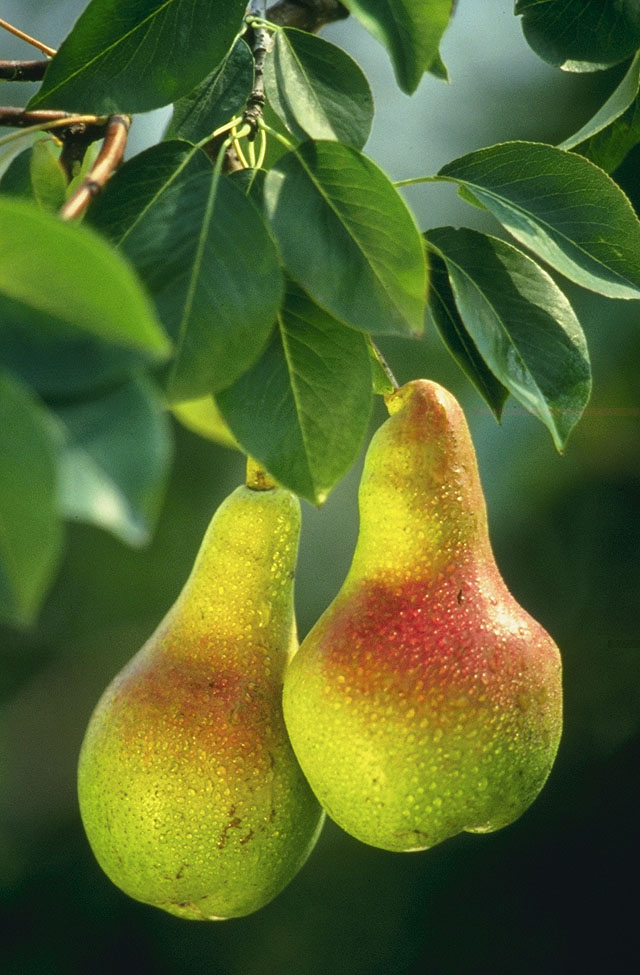
Ussuri pear (Pyrus ussuriensis) is a tough deciduous tree native to northeast China, Korea, and Russia. It stands out in the landscape for its brilliant purple and red autumn leaves and early spring white blossoms.
You will need to plant two different trees for cross-pollination if you want to harvest the small, round fruits. Watch out for fire blight during wet spring conditions, as this species is susceptible.
Key Facts
- Light: Full sun
- Water: Moderate, once established
- Soil: Well-drained loam
- Hardiness: USDA Zones 3-7
- Max Height: 15 m (50 ft)
Is the Ussuri Pear Right for Your Yard
Ussuri pear fits medium to large landscapes where you need an exceptionally cold-hardy tree that withstands freezing winters down to -40 °C (-40 °F). This tree suits gardeners in northern climates who want showy spring blossoms and reliable autumn colour without winter damage.
You must allow plenty of room for growth, as a mature specimen reaches 9-15 m (30-50 ft) tall with an equal spread. Avoid planting it in cramped urban strips or directly under power lines where heavy pruning will ruin its natural pyramidal shape.
How to Identify the Ussuri Pear Tree
Ussuri pear is instantly recognised by its stiff, glossy, dark green leaves with finely serrated margins that turn brilliant purple and scarlet in October. The leaves measure 4-10 cm (1.5-4 in) long and have a noticeably pointed, tapering tip.
- Flowers: White, 3 cm (1.2 in) across, appearing in clusters before leaves fully emerge in spring.
- Fruit: Hard, round, greenish-brown pomes measuring 2-4 cm (0.8-1.5 in) across with persistent calyxes.
- Bark: Smooth greyish-brown on young branches, developing deep furrows and ridges on trunks over 20 cm (8 in) thick.
- Form: Dense, rounded to pyramidal canopy with upright branches.
What Size Does a Mature Ussuri Pear Reach
A mature Ussuri pear typically reaches a height of 9 to 15 m (30 to 50 ft) with a spread of 6 to 10 m (20 to 33 ft). Growth is moderately fast during the first decade, adding about 30 to 60 cm (12 to 24 in) of vertical growth per year under good conditions.
Spacing is critical when establishing a row or orchard block. Keep trees at least 6 m (20 ft) apart to ensure adequate airflow and sunlight penetration into the lower canopy. Crowding increases humidity around the leaves and invites fungal pathogens.
Best Site Selection for Ussuri Pear
Ussuri pear thrives in a location with full sun receiving at least 6 to 8 hours of direct sunlight daily. Planting in partial shade reduces flower production and dulls the intense autumn foliage display.
- Choose a spot with open airflow to dry morning dew off the leaves quickly.
- Avoid low frost pockets where late spring freezes can damage open blossoms.
- Ensure the site has adequate space for the expansive root system to spread without damaging nearby paving.
How to Plant Ussuri Pear Trees
Plant container-grown or balled-and-burlapped Ussuri pear trees in early spring or autumn while the soil is workable. Dig a hole twice as wide as the root ball and just as deep, keeping the root flare level with the surrounding soil surface.
- Backfill with native soil, tamping down gently every 15 cm (6 in) to eliminate large air pockets.
- Build a low soil berm 5 cm (2 in) high in a circle 1 m (3 ft) wide around the trunk to catch irrigation water.
- Apply a 7 cm (3 in) layer of wood mulch over the root zone, keeping the mulch 10 cm (4 in) away from direct contact with the bark.
Ongoing Care and Watering Schedule
Ussuri pear requires deep watering every 7 to 10 days during its first two growing seasons to establish a deep root system. Once established, mature trees tolerate drought well but need 25 mm (1 in) of water per week from rain or irrigation to produce quality fruit.
- Water deeply at the drip line rather than giving frequent shallow sprinkles.
- Apply a balanced organic granular fertilizer once in early spring before new growth begins, at a rate of 50 g (1.8 oz) per square metre of canopy spread.
- Refreshed mulch annually in spring to conserve soil moisture and suppress weeds around the base.
Pruning and Shaping Your Ussuri Pear
Prune Ussuri pear trees in late winter when the plant is fully dormant and the branch structure is clearly visible. Remove no more than 25 percent of the canopy in a single year to prevent stress and excessive watersprout growth.
- Cut away all dead, damaged, or diseased wood first using sterilized bypass pruners.
- Eliminate crossing branches and inward-facing shoots that block light from the center of the canopy.
- Sanitize your tools in a 10 percent bleach solution or rubbing alcohol between cuts to stop disease transfer.
Common Problems and Ussuri Pear Diseases
Ussuri pear trees suffer from a few predictable issues that require prompt intervention. Fire blight caused by the bacterium Erwinia amylovora is the most serious threat, causing blossoms and shoots to turn black as if scorched by fire.
- Symptom: Blackened, shepherd’s crook twig tips. Fix: Prune out infected wood 30 cm (12 in) below visible damage and dip tools in disinfectant after every cut.
- Symptom: Circular brown spots on leaves in summer. Fix: Clear away all fallen leaves in autumn to disrupt the fungal spore life cycle.
- Symptom: Yellowish-orange spots on upper leaf surfaces. Fix: Remove nearby juniper hosts if cedar-pear rust becomes a persistent issue.
Winter Care for Cold-Hardy Pears
Ussuri pear requires no winter protection against cold temperatures due to its exceptional hardiness in USDA Zone 3. Protect young trunks from sunscald and rodent damage by wrapping them in white paper tree guards from late autumn until early spring.
Voles and rabbits chew through tender bark during snowy winters when food is scarce. Clear mulch 30 cm (1 ft) away from the immediate trunk base in late autumn to deter nesting rodents from chewing the bark beneath the snowline.
Uses of Ussuri Pear Fruit and Wood
Ussuri pear trees serve primarily as ornamental landscape specimens and as a breeding stock for cold-tolerant hybrid fruit trees. The small, hard fruits are astringent when picked fresh but become edible after softening on the tree or after being touched by autumn frosts.
Traditional herbal practices in East Asia use dried fruit slices in water infusions. The heavy, fine-grained wood works well for small woodworking projects, turning blanks, and tool handles when larger timber becomes available from pruning.
Ussuri Pear Through the Seasons
| Spring | Apply a balanced organic fertilizer around the drip line as buds swell. Prune out any winter-damaged twigs before leaves emerge. |
|---|---|
| Summer | Provide supplemental deep watering during dry spells exceeding 10 days without rain. Inspect foliage weekly for early signs of fire blight or aphid activity. |
| Autumn | Harvest fruits when they reach mature size but remain firm, allowing them to soften indoors. Rake and dispose of fallen leaves to prevent fungal overwintering. |
| Winter | Perform structural pruning while the tree is fully dormant. Install plastic tree guards around young trunks to prevent damage from hungry voles and rabbits. |
Ussuri Pear Tree Problems and Quick Diagnosis
| What you see | Likely cause | What to do |
|---|---|---|
| Black, scorched branch tips | Fire blight bacteria | Prune infected branches back 30 cm into healthy wood and disinfect tools between every cut. |
| Orange spots on leaves | Cedar-quince rust fungus | Remove nearby juniper trees acting as alternate hosts if infection is severe. |
| Chewed bark at soil line | Voles or rabbits | Pull mulch back 30 cm from the trunk and install wire mesh cylinder guards. |
| Failure to bear fruit | Lack of cross-pollination | Plant a second compatible pear tree variety within 15 m (50 ft). |
Popular Ussuri Pear Cultivars and Hybrids
- ‘McDermid’ – hardy selection with improved fruit quality
- ‘Golden Spice’ – cold-hardy hybrid with small, spicy yellow fruits
- ‘Early Gold’ – produces edible pear fruits early in the northern autumn
- ‘Summer Crisp’ – produces crisp, sweet fruit on a compact frame
Frequently Asked Questions
How to tell if Chinese pear is ripe?
A Chinese pear is ripe when it separates easily from the branch with a gentle upward tilt and the skin changes from deep green to a lighter yellowish-green tint. Unlike grocery store European pears, Ussuri pears harvested slightly firm will soften off the tree at room temperature within a few days.
Is Chinese pear good for cough?
Traditional herbal practices in East Asia use simmered Ussuri pear water or pear soup to soothe sore throats and suppress dry coughs. Slices of the fruit are traditionally boiled with honey and rock sugar to create a warm throat-soothing beverage.
What is the difference between Chinese pear and regular pear?
The Chinese pear (Pyrus ussuriensis) produces round, apple-shaped fruits with high astringency and extreme cold hardiness down to USDA Zone 3, whereas standard European pears (Pyrus communis) produce pear-shaped, sweet, soft fruits that fail in harsh northern winters.
How do you make Chinese pear water?
To make Chinese pear water, core and chop one whole pear into small chunks with the skin left intact. Simmer the pieces in 500 ml (2 cups) of water with rock sugar on low heat for 30 minutes before drinking the warm liquid.
Can you eat Ussuri pear raw?
You can eat Ussuri pear raw, but fresh-picked fruits are often very woody, sour, and astringent on the palate. Letting the fruit soften in storage for a week or cooking it greatly improves the texture and flavor.
Information about traditional or historical uses is provided for educational interest only and is not medical advice. Do not use any plant to treat a condition without speaking to a qualified professional.
Sources & Verification
Taxonomy and distribution are checked against the databases below. Care guidance is written for cultivated species only and reviewed by our editor. How We Build Plant Profiles →