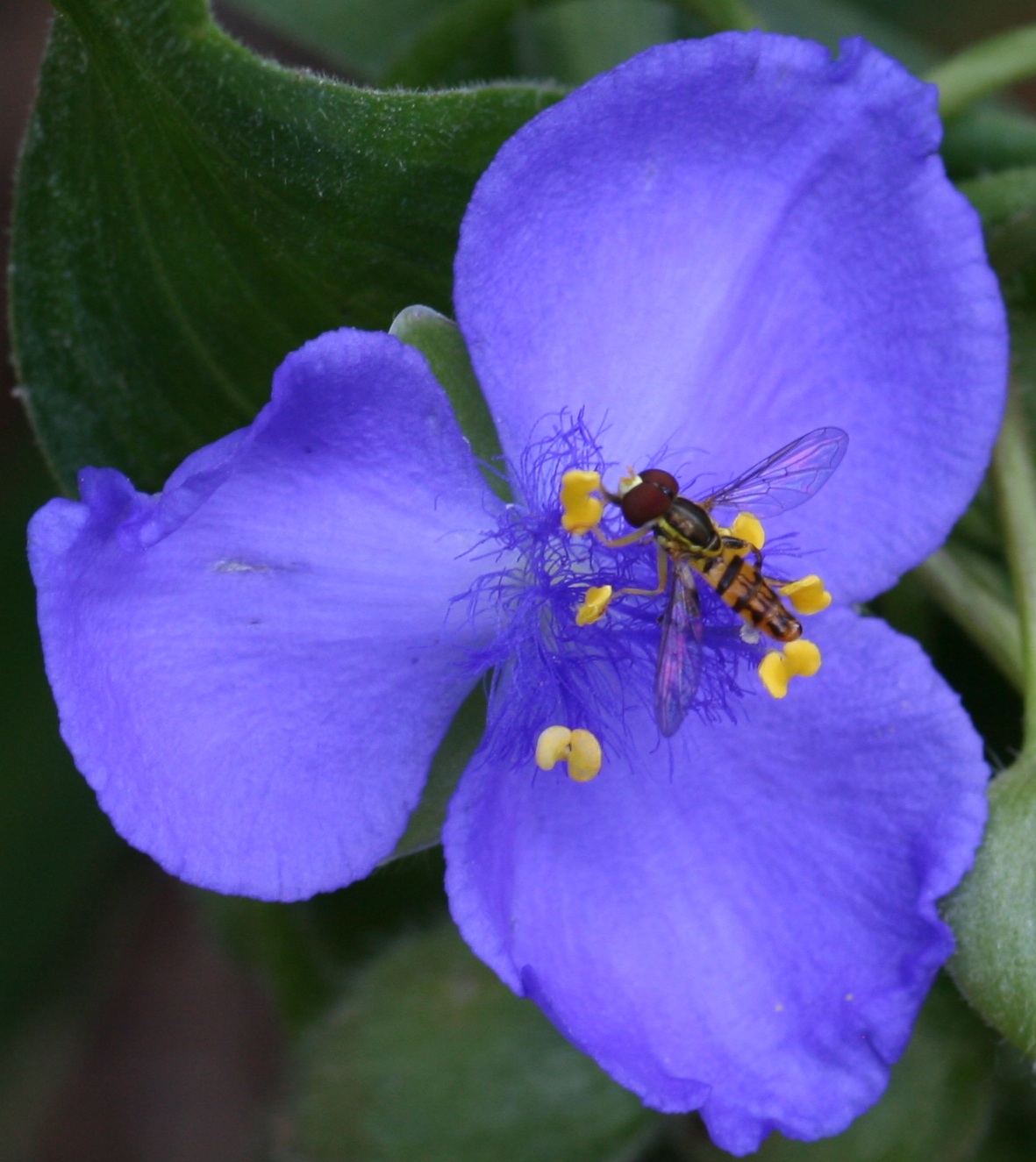
Small-leaf spiderwort (Tradescantia fluminensis) is a creeping evergreen perennial native to southeastern Brazil and northern Argentina, characterised by glossy oval leaves clasping weak, succulent stems. It displays three-petalled pure white blossoms at terminal shoot tips between spring and late summer.
Trailing stems elongate by up to 5 cm (2 in) weekly during warm months, quickly outgrowing pots unless pruned back every spring to prevent base defoliation.
Key Facts
- Water: when top 3 cm (1.2 in) of soil feels dry
- Light: bright indirect illumination, avoiding midday summer sun
- Temperature: optimal growth at 16–24 °C (61–75 °F)
- Propagation: stem cuttings root in water within 7 to 10 days
- Toxicity: causes allergic contact dermatitis in dogs and cats
- Feed: balanced liquid fertiliser monthly from April to September
Living with Tradescantia fluminensis Indoors
Small-leaf spiderwort suits hanging baskets and bookshelf edges where trailing stems can cascade without snagging. It tolerates varying household environments well, provided it receives sufficient light to avoid stretched, spindly growth. The fragile joints snap easily during handling, but fallen fragments root immediately when pushed back into moist compost.
Mature specimens tend to drop their oldest leaves near the center of the pot after 12 to 18 months. Routine stem tip pruning encourages lateral shoots, maintaining dense foliage and preventing the crown from looking bare.
Small-Leaf Spiderwort Stems, Leaves, and Habit
True Tradescantia fluminensis produces smooth, hairless leaves measuring 2.5 to 5 cm (1 to 2 in) in length, arranged alternately along succulent cylindrical stems. The wild type features plain glossy green foliage with parallel veins and a pale sheath that clasps the stem nodes tightly.
Distinguishing traits include:
- Stems: slender, hairless, green to purple-tinged, rooting at every node touching moist substrate
- Leaves: ovate-elliptic, acute tip, 1.5 to 2.5 cm (0.6 to 1 in) wide, lacking hairs except along the sheath margin
- Flowers: three triangular white petals roughly 6 to 9 mm (0.2 to 0.4 in) long, unlike the pink-purple blooms of wandering dude (Tradescantia zebrina)
- Growth habit: prostrate groundcover outdoors, forming trailing mats 15 to 30 cm (6 to 12 in) high indoors
Light Requirements for Small-Leaf Spiderwort Care
Small-leaf spiderwort requires bright, indirect sunlight for 6 to 8 hours daily to sustain vibrant foliage color and compact internodes. An east-facing or shaded south-facing windowsill provides ideal exposure without scorching the thin leaves.
Solid green selections survive in moderate shade, but variegated cultivars lose their white stripes and revert to solid green when lighting drops below 1,000 lux. Direct afternoon summer sun burns foliage edges, producing bleached papery patches on exposed leaf tips.
How Often to Water Tradescantia fluminensis
Water thoroughly whenever the top 3 cm (1.2 in) of potting soil dries out, allowing all excess moisture to drain freely from the pot base. During spring and summer active growth, this typically means irrigating every 5 to 7 days depending on room warmth.
Signs of watering imbalance include:
- Under-watering: dull foliage, limp trailing stems, and dry, crispy lower leaves
- Over-watering: yellowing lower stems, mushy dark brown stem bases, and fungus gnats
- Irregular moisture: browning leaf tips and sudden leaf drop along older stem lengths
Reduce watering frequency in winter to roughly once every 10 to 14 days while the plant rests under lower seasonal light levels.
Potting Mix and Fertiliser Schedules
Use a porous, peat-free indoor compost amended with 20 to 30 percent perlite or coarse horticultural sand to guarantee swift drainage. Standard houseplant compost tends to retain too much water around fine root systems in plastic hanging containers.
Feed active plants monthly from April through August using an all-purpose balanced liquid feed diluted to half the recommended package strength. Avoid excessive nitrogen applications, which spur rapid, soft growth with elongated internodes and dilute leaf striping on variegated varieties.
Humidity and Temperature Tolerances
Maintain room temperatures between 16 and 24 °C (61 and 75 °F), protecting plants from winter cold drafts below 10 °C (50 °F). While the species tolerates short dips near freezing, household specimens suffer leaf collapse and stem blackened rot below 5 °C (41 °F).
Standard indoor ambient humidity of 40 to 50 percent is sufficient for plain green forms. Variegated forms like ‘Albovittata’ perform best with humidity above 50 percent to keep pale leaf bands from developing dry, brown margins in rooms with active winter heating.
Tradescantia fluminensis Propagation by Stem Cuttings
Stem tip cuttings of Tradescantia fluminensis strike root in fresh water or moist potting mix within 7 to 10 days at 20 °C (68 °F). This plant is among the easiest indoor plants to propagate from cuttings.
Take successful cuttings using this method:
- Cut 8 to 12 cm (3 to 5 in) shoot tips just below a leaf node using clean scissors
- Strip the bottom two leaves to expose bare nodes
- Place cuttings directly into a glass of water, keeping foliage above the water line
- Pot up rooted stems into fresh potting compost once roots reach 2.5 cm (1 in) long
- Insert 6 to 10 cuttings into a single 12 cm (5 in) pot to create a full, bushy pot quickly
White Flowers and Flowering Habits
Healthy mature plants produce triangular three-petalled white flowers from May to August when grown in bright, sun-dappled positions. Individual blooms measure roughly 12 to 18 mm (0.5 to 0.7 in) across and open for only one day, fading by late afternoon.
Indoor flowering is relatively modest compared to plants kept in sunrooms or outdoors for summer. The blossoms hold six stamens with prominent white-bearded filaments and yellow anthers, borne in terminal pairs within green bracts.
Is Small-Leaf Spiderwort Toxic to Dogs and Cats?
Small-leaf spiderwort is mildly toxic to domestic pets, causing allergic contact dermatitis upon physical contact and mild digestive distress if ingested. Dogs brushing against trailing vines frequently develop red, pruritic rash lesions across the groin, abdomen, and paws.
Keep hanging baskets well out of reach of roaming cats and curious dogs. If skin inflammation or gastrointestinal upset occurs following exposure, isolate the plant and seek veterinary advice.
Seasonal Maintenance for Small-Leaf Spiderwort
| Spring | Trim leggy stems back by half to stimulate bushy base growth. Repot or refresh the top 3 cm (1.2 in) of potting soil and begin monthly half-strength liquid feeds. |
|---|---|
| Summer | Check soil moisture twice weekly and water thoroughly when the surface feels dry. Keep foliage shaded from harsh midday sun and take tip cuttings to start fresh plants. |
| Autumn | Move plants away from chilling window glass as night temperatures drop below 12 °C (54 °F). Cease all fertiliser applications and let compost dry deeper between waterings. |
| Winter | Water sparingly, roughly every 10 to 14 days, verifying that the top half of the soil is dry. Place in the brightest available indirect light window to limit winter stretching. |
Diagnosing Common Small-Leaf Spiderwort Problems
| What you see | Likely cause | What to do |
|---|---|---|
| Bare, leafless stems near pot crown | Natural aging combined with insufficient light | Prune back leafless vines to 5 cm (2 in) and root tip cuttings directly in the container. |
| Variegated leaves turning solid green | Light levels too dim to sustain white chlorophyll-free tissue | Relocate pot to a brighter window receiving filtered sun or add a grow lamp. |
| Brown, papery leaf tips | Low air humidity or extended underwatering | Keep compost evenly moist and raise room humidity above 45 percent. |
| Stem bases turning black and watery | Stem rot caused by persistent waterlogging in dense soil | Cut away rotten stems, salvage healthy tips for propagation, and replant in free-draining soil. |
Cultivars of Tradescantia fluminensis
- ‘Albovittata’ – leaves striped with longitudinal pure white bands
- ‘Variegata’ – irregular creamy white striping, prone to reverting
- ‘Aurea’ – yellow-green foliage requiring bright indirect light
- ‘Green’ – wild type with solid glossy emerald foliage
Frequently Asked Questions
What is the Tradescantia fluminensis common name?
Its widely accepted English common name is small-leaf spiderwort, alongside river spiderwort, wandering trad, and speedy Henry.
What does Tradescantia fluminensis Vell. mean?
"Vell." designates the botanical authority José Mariano da Conceição Vellozo, the Brazilian botanist who first scientifically described the species.
Why is my Tradescantia fluminensis losing its white stripes?
Low light causes the plant to produce more green chlorophyll to survive, turning striped leaves completely green. Move it to a position with bright, indirect light.
Is Tradescantia fluminensis lavender actually this species?
Plants sold under the name 'Lavender' or 'Tricolor' are usually forms of Tradescantia mundula or Tradescantia cerinthoides, which have thicker, fuzzier foliage.
Can small-leaf spiderwort grow in water permanently?
Stem cuttings live in plain water for months, but they eventually weaken and produce smaller leaves without the balanced nutrients supplied by potting soil.
Sources & Verification
Taxonomy and distribution are checked against the databases below. Care guidance is written for cultivated species only and reviewed by our editor. How We Build Plant Profiles →
- Kew Plants of the World OnlineTaxonomy, synonymy, and native distribution
- Global Biodiversity Information Facility (GBIF)Occurrence data and common names
- Royal Horticultural Society (RHS)Cultivation profile and characteristics
- North Carolina State Extension Gardener Plant ToolboxIdentification, toxicity, and growth habit
- Wikipediageneral reference