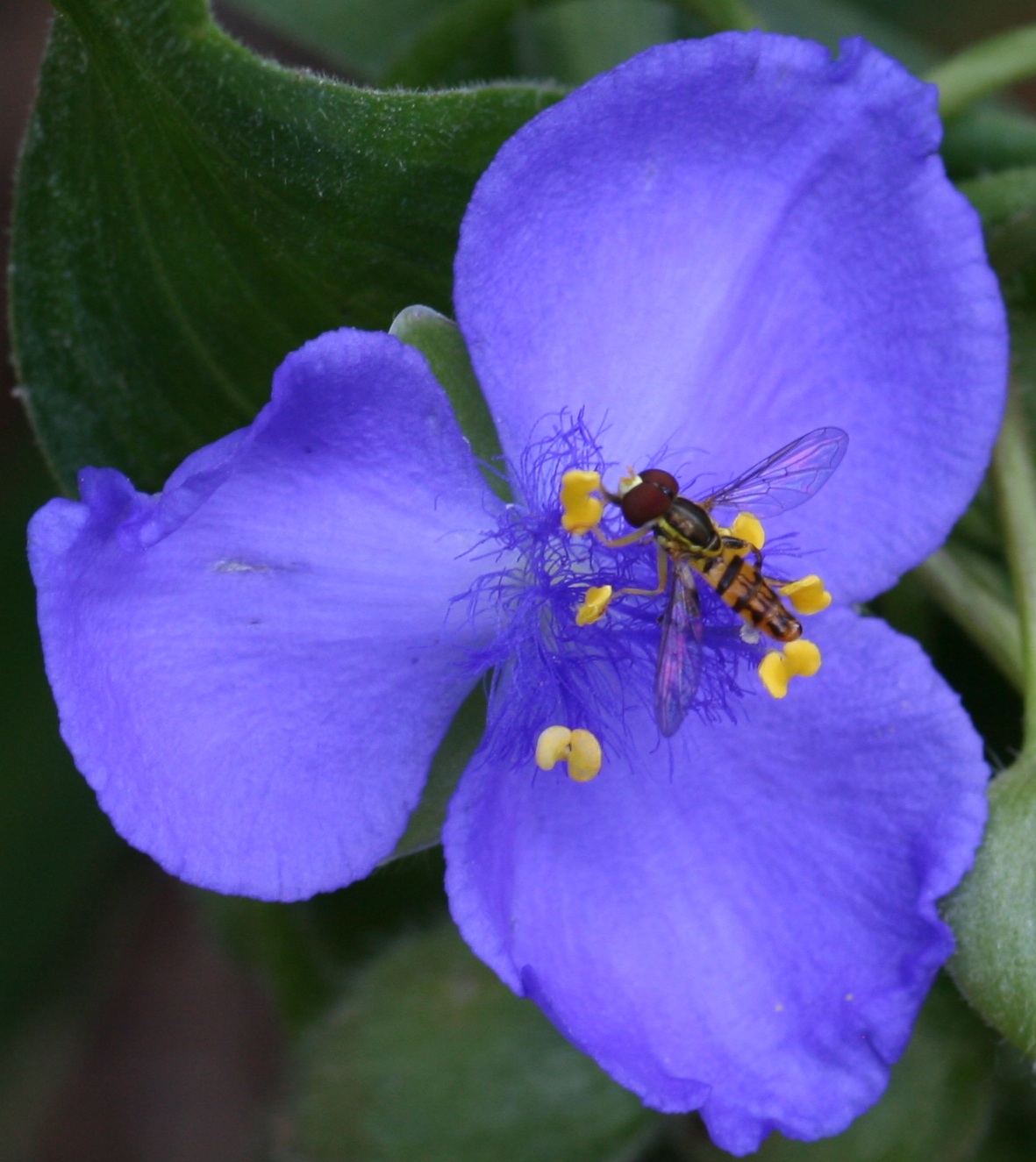
Purple heart (Tradescantia pallida) is a sprawling perennial herbaceous plant native to the Gulf Coast region of eastern Mexico. It is widely grown indoors and in frost-free gardens for its fleshy, vivid purple stems and leaves.
You will find this plant extremely forgiving, but it drops leaves easily if handled roughly or kept in deep shade. Give it plenty of bright light to maintain that intense violet colour.
Key Facts
- Light: Bright indirect to direct sun
- Water: Let top 3 cm (1 in) dry
- Soil: Well-draining standard potting mix
- Propagation: Water or soil stem cuttings
- Toxicity: Mildly toxic to pets and humans
What Living with a Purple Heart Plant Is Like
Growing purple heart adds a dramatic splash of deep violet to your shelves or hanging baskets with very little fuss. It suits beginners who tend to forget watering schedules, though neglect will make it look leggy rather than lush.
You can expect fast trailing growth that reaches lengths of 90 cm (35 in) within a single season. The brittle stems snap off quite easily when brushed against, so place your plant where foot traffic won’t constantly nick it.
- Keep out of reach of roaming cats and dogs due to sap irritation
- Prune back long trailing stems every spring to encourage bushier growth
- Sweep up occasional fallen leaf litter around the pot base
How to Identify Purple Heart
Purple heart is instantly recognised by its succulent-like, lance-shaped leaves measuring 7-13 cm (3-5 in) long and covered in fine hairs. The entire plant, from the segmented stems to the leaf blades, glows with a rich purple hue.
Small, three-petalled pink or pale purple flowers appear at the stem tips during summer, contrasting sharply against the darker foliage. The stems are segmented with distinct nodes, rooting easily wherever they touch moist soil.
- Leaf shape: Lanceolate, folding slightly inward along the stem
- Foliage colour: Deep purple in bright light, greener in shade
- Stem habit: Succulent, trailing, and easily broken at joints
How Much Light Does Purple Heart Need
Your purple heart needs at least 4 to 6 hours of bright, indirect light daily to keep its vibrant leaf colour. Without enough sun, the leaves will fade to a dull green and the stems will stretch out unappealingly.
Place it near an east-facing or south-facing window where it can catch gentle morning rays. A little direct sun enhances the purple pigmentation, but harsh midday rays can scorch the delicate foliage.
- South or west windows need sheer curtains during peak summer hours
- East windows provide ideal gentle morning sunlight
- Low-light bathrooms or dark corners cause stems to become leggy
How Often to Water Purple Heart
Water your purple heart only when the top 3 cm (1 in) of potting soil feels completely dry to the touch. Because the stems store water like a succulent, this plant easily forgives an occasional missed watering.
Reduce watering frequency significantly during winter when plant growth slows down in cooler indoor temperatures. Overwatering is the fastest way to rot the fleshy root system and kill the plant.
- Check soil moisture weekly by pressing a finger into the pot
- Water thoroughly until liquid drains from the bottom holes
- Empty the saucer after 10 minutes to prevent standing water
Best Soil Mix for Purple Heart
Plant your purple heart in a standard, well-draining peat-based potting soil mixed with perlite or coarse sand. Good drainage prevents moisture from lingering around the roots and causing rot.
You can mix in a handful of compost to provide extra nutrients, but heavy garden soils will compact and choke the root system. Repotting is rarely needed more than once every two years.
- Combine 60 percent standard potting soil with 40 percent perlite
- Ensure your container has at least one functional drainage hole
- Avoid heavy clay soils that retain excessive moisture
Humidity and Temperature Requirements
Purple heart thrives in standard indoor room temperatures between 18-24 °C (65-75 °F) throughout the year. It tolerates brief dips down to 10 °C (50 °F), but frost will quickly turn the fleshy stems to mush.
Average household humidity between 40 and 50 percent suits this species just fine without any extra misting. Keep the plant away from drafty windows, air conditioning vents, and hot radiators.
- Ideal temperature range: 18-24 °C (65-75 °F)
- Minimum winter survival limit: 10 °C (50 °F)
- Avoid placing near heat registers or cold drafty doors
How to Feed Purple Heart
Feed your purple heart with a balanced liquid houseplant fertilizer diluted to half strength once every month during spring and summer. Stop fertilizing entirely from October through February when the plant rests.
Too much fertilizer causes weak, overly rapid growth that strips the stems of their characteristic vibrant purple colour. If your potting mix was recently replaced, you can skip feeding for the first two months.
- Apply water-soluble fertilizer every 4 weeks from March to September
- Dilute the recommended product to 50 percent strength to avoid root burn
- Cease all feeding during the dark winter months
How to Propagate Purple Heart
Propagate purple heart by simply snipping a 10 cm (4 in) stem tip just below a leaf node and rooting it in water or damp soil. Roots typically emerge from the nodes within 7 to 14 days.
This species is one of the easiest houseplants to multiply, making it a great choice for sharing cuttings with friends. Plant several rooted cuttings back into the same pot to create a fuller, bushier display.
- Snip healthy, unblemished stem tips using clean shears
- Remove the lower two leaves from each cutting
- Place cuttings in a glass of water or push directly into moist potting mix
Common Purple Heart Problems and Pests
Root rot caused by overwatering is the most frequent problem threatening indoor purple heart plants. You might also occasionally spot minor infestations of spider mites or mealybugs on stressed specimens.
Leggy growth with faded green leaves almost always points to insufficient light exposure rather than a disease. Prune away damaged stems and move the pot to a brighter location to restore vigor.
- Yellowing leaves and mushy stems indicate overwatering
- Faded green leaves mean the plant needs more sunlight
- Fine webbing on stems signals a spider mite infestation
Is Purple Heart Toxic to Pets?
Purple heart is classified as mildly toxic to cats, dogs, and humans due to calcium oxalate crystals and irritating plant sap. Direct contact with broken stems can cause skin redness, dermatitis, or allergic reactions.
Ingesting large amounts of foliage can lead to stomach upset, drooling, and mouth irritation in curious pets. Position hanging baskets well out of reach of household animals.
- Sap contact can trigger skin irritation and dermatitis in sensitive people
- Ingestion by cats and dogs may cause mild gastrointestinal distress
- Wear gloves when pruning large specimens to avoid skin reactions
Purple Heart Through the Seasons
| Spring | Prune back leggy winter growth by half to encourage a bushy shape. Begin regular monthly feeding and increase watering as daylight hours lengthen. |
|---|---|
| Summer | Ensure the plant receives bright indirect light to maintain intense purple leaf colour. Water whenever the top 3 cm (1 in) of soil dries out. |
| Autumn | Bring outdoor container plants indoors before nighttime temperatures drop below 10 °C (50 °F). Reduce watering frequency as growth naturally slows down. |
| Winter | Withhold all fertilizer and let the top 5 cm (2 in) of soil dry completely between waterings. Position away from cold drafts and heating vents. |
Purple Heart Plant Care Troubleshooting
| What you see | Likely cause | What to do |
|---|---|---|
| Stems turning mushy and rotting at soil level | Overwatering or compacted soil | Cut away rotten parts, let the remaining healthy stems dry, and repot in fresh, fast-draining mix. |
| Leaves turning green instead of purple | Not enough light | Move the plant closer to a bright window with a few hours of gentle direct sun daily. |
| Long, bare stems with sparse foliage | Low light and lack of pruning | Trim the leggy stems back to encourage branching and provide a brighter spot. |
| Brown, crispy leaf tips | Underwatering or dry indoor air | Establish a consistent watering routine and check that soil isn’t drying out completely for too long. |
Popular Purple Heart Cultivars
- ‘Purpurea’ – deep violet leaves and pink flowers, the standard houseplant form
- ‘Pale Puma’ – dusty lavender leaves with subtle silvery green striping
- ‘Variegata’ – purple foliage striped with bright pink and white lines
- ‘Quadricolor’ – multi-coloured leaves featuring green, pink, purple, and cream
Frequently Asked Questions
Why is my purple heart plant turning green?
Your purple heart is turning green because it is not receiving enough bright light. Move the plant to a sunnier location where it gets several hours of direct sunlight each day to restore its deep purple color.
How often should I water my purple heart?
Water your purple heart whenever the top 3 cm (1 in) of soil feels dry to the touch. Typically, this means watering every 7 to 10 days indoors during spring and summer.
Is purple heart toxic to cats?
Yes, purple heart is mildly toxic to cats, dogs, and humans. Contact with the plant sap can cause skin irritation, and chewing on the leaves can lead to mild mouth and stomach upset.
Can you grow purple heart indoors?
Purple heart grows very well indoors as a houseplant or in hanging baskets. Place it in a bright room near a sunny window and use a well-draining potting mix for best results.
How do you propagate a purple heart plant?
Propagate purple heart by cutting 10 cm (4 in) stem tips, removing the lower leaves, and placing them in water or directly into moist potting soil. Roots will sprout from the nodes within two weeks.
Sources & Verification
Taxonomy and distribution are checked against the databases below. Care guidance is written for cultivated species only and reviewed by our editor. How We Build Plant Profiles →