Inch plant is a trailing perennial from Mexico and Central America known for its succulent stems and metallic, striped foliage. Scientifically named Tradescantia zebrina, it has naturalised in many tropical regions and is frequently kept as a hanging indoor specimen.
You can expect this species to grow up to 30 cm (12 in) in a single season under the right conditions. It is frequently chosen by beginners because it signals its needs clearly through leaf colour and stem tension, though it requires regular pruning to prevent a sparse, leggy appearance.
Key Facts
- Water: when the top 2.5 cm (1 in) of soil is dry
- Light: bright indirect light to maintain purple pigmentation
- Temperature: thrives between 15-27 °C (60-80 °F)
- Growth: fast-growing trailing stems reaching 60-180 cm (2-6 ft)
- Soil: well-draining peat or coco-coir based mix
Growing Inch Plant in Your Home
Inch plant is a high-speed grower that requires regular pinching and pruning to maintain a dense, bushy shape. Because it grows so rapidly, it often becomes leggy or thin at the top within a year or two, as the older leaves near the soil naturally die off. Many growers treat it as a short-lived perennial, frequently starting new plants from cuttings to replace older, straggly specimens.
It is an ideal choice for hanging baskets or high shelves where the stems can drape down 60-90 cm (2-3 ft). In USDA zones 9-11, it is used as a groundcover in shaded garden areas, but indoors it needs a spot with consistent air circulation. To keep the plant looking full, you should:
- Snip off the growing tips every few weeks to encourage branching.
- Rotate the pot 90 degrees every week to ensure even growth.
- Avoid placing it directly in front of air conditioning vents or heaters.
- Replant fresh cuttings into the top of the pot to fill in bare spots.
Identifying the Silver Inch Plant
The inch plant is identified by its ovate, pointed leaves featuring two longitudinal silver stripes on the upper surface. These leaves typically measure 5-10 cm (2-4 in) in length and have a deep magenta or purple underside that provides a sharp contrast. The stems are somewhat succulent, fleshy, and break easily at the nodes, which are spaced about 2.5 cm (1 in) apart.
The leaf surface has a distinct metallic sheen that glitters under bright light, a trait that distinguishes it from the related small-leaf spiderwort (Tradescantia fluminensis). While the primary colour is a mix of green and silver, many modern cultivars exhibit deep burgundy or even white variegation. The stems are often tinted with the same purple hue as the leaf undersides, especially when the plant receives adequate light.
Light Requirements for Purple Foliage
Inch plant needs bright, indirect sunlight for at least 6 hours a day to keep its stripes distinct and its purple colour saturated. If the plant is kept in a low-light corner, the new leaves will emerge almost entirely green, and the distance between the nodes will increase, making the plant look thin. Conversely, direct midday sun through a window can scorch the delicate leaves, leaving dry, transparent patches.
An east or west-facing window is usually the best location for this species. If you notice the silver stripes fading into a dull grey, the plant is likely not receiving enough light. During the shorter days of winter, you may need to move it closer to a window or provide supplemental LED grow lights to prevent the stems from stretching toward the nearest light source.
Watering and Soil for Tradescantia zebrina
You should water your inch plant when the top 2.5 cm (1 in) of soil feels dry to the touch. This species prefers to stay consistently moist but will quickly develop root rot if the soil remains soggy or if the pot sits in a tray of standing water. During the active growing months of spring and summer, you may find yourself watering once or twice a week depending on the temperature.
Soil choice is vital for preventing fungal issues; use a mix of two parts peat moss or coco coir to one part perlite or coarse sand. This ensures that water moves through the root zone quickly while retaining enough moisture for the fine root system. Avoid getting water directly on the leaves or into the central crown of the plant, as the trapped moisture can cause the stems to turn mushy and rot at the base.
Humidity and Temperature Needs
The ideal temperature for an inch plant is between 15-27 °C (60-80 °F), making it perfectly suited for standard indoor environments. It can survive temperatures as low as 10 °C (50 °F), but growth will stall and the leaves may take on a limp appearance. It is not frost-tolerant and will die back to the ground if exposed to freezing conditions.
While it tolerates average household humidity, it performs best when levels are above 50%. In very dry air, particularly during winter when indoor heating is active, the tips of the leaves may turn brown and crispy. You can improve the local environment by:
- Grouping it with other humidity-loving plants like nerve plant (Fittonia albivenis).
- Placing the pot on a tray filled with pebbles and a small amount of water.
- Using a room humidifier near your plant collection.
- Avoiding misting, as water on the leaves can lead to fungal spotting.
How to Propagate Inch Plant Cuttings
Inch plant is one of the easiest species to multiply, often rooting in as little as 7 to 10 days. The name “inch plant” refers to the nodes located every inch or so along the stem; each of these nodes is capable of producing a new root system. You can propagate using either water or soil methods with a high success rate throughout the year.
To propagate in water, follow these steps:
- Cut a healthy stem about 10 cm (4 in) long, ensuring there are at least two nodes.
- Remove the lower leaves so they do not sit in the water and rot.
- Place the cutting in a glass of filtered water in a bright spot.
- Once roots are 2-3 cm (1 in) long, transplant into standard potting soil.
- Keep the soil extra moist for the first week to help the water-roots transition.
Is Inch Plant Toxic to Cats and Dogs?
Inch plant is toxic to cats, dogs, and horses according to the ASPCA. The plant contains microscopic calcium oxalate crystals and other irritating saps that cause immediate discomfort upon contact with mucous membranes. If a pet chews on the stems or leaves, they may experience redness, swelling of the mouth, and gastrointestinal distress including vomiting or diarrhoea.
In humans, the sap can cause contact dermatitis or a skin rash, especially for those with sensitive skin. It is advisable to wear gloves when pruning large specimens or handling broken stems. Because the plant is often grown in hanging baskets, it is naturally kept away from most pets, but you should always clear away any dropped leaves or fallen stems to prevent accidental ingestion by curious animals.
Why Are My Inch Plant Leaves Turning Brown?
Brown leaf tips on an inch plant are usually caused by low humidity or inconsistent watering. If the soil dries out completely, the lower leaves will turn brittle and drop off. However, if the browning is accompanied by yellowing and soft, mushy stems, the cause is almost certainly overwatering or poor drainage leading to root decay.
Check for these specific signs to diagnose the problem:
- Crispy brown edges: The air is too dry; increase humidity.
- Yellowing base leaves: Overwatering or the plant is reaching the end of its natural cycle.
- Small, pale leaves: The plant needs more light to produce chlorophyll.
- Sudden wilting despite wet soil: Root rot has set in; take cuttings of healthy tips immediately.
Small Flowers and Seasonal Growth
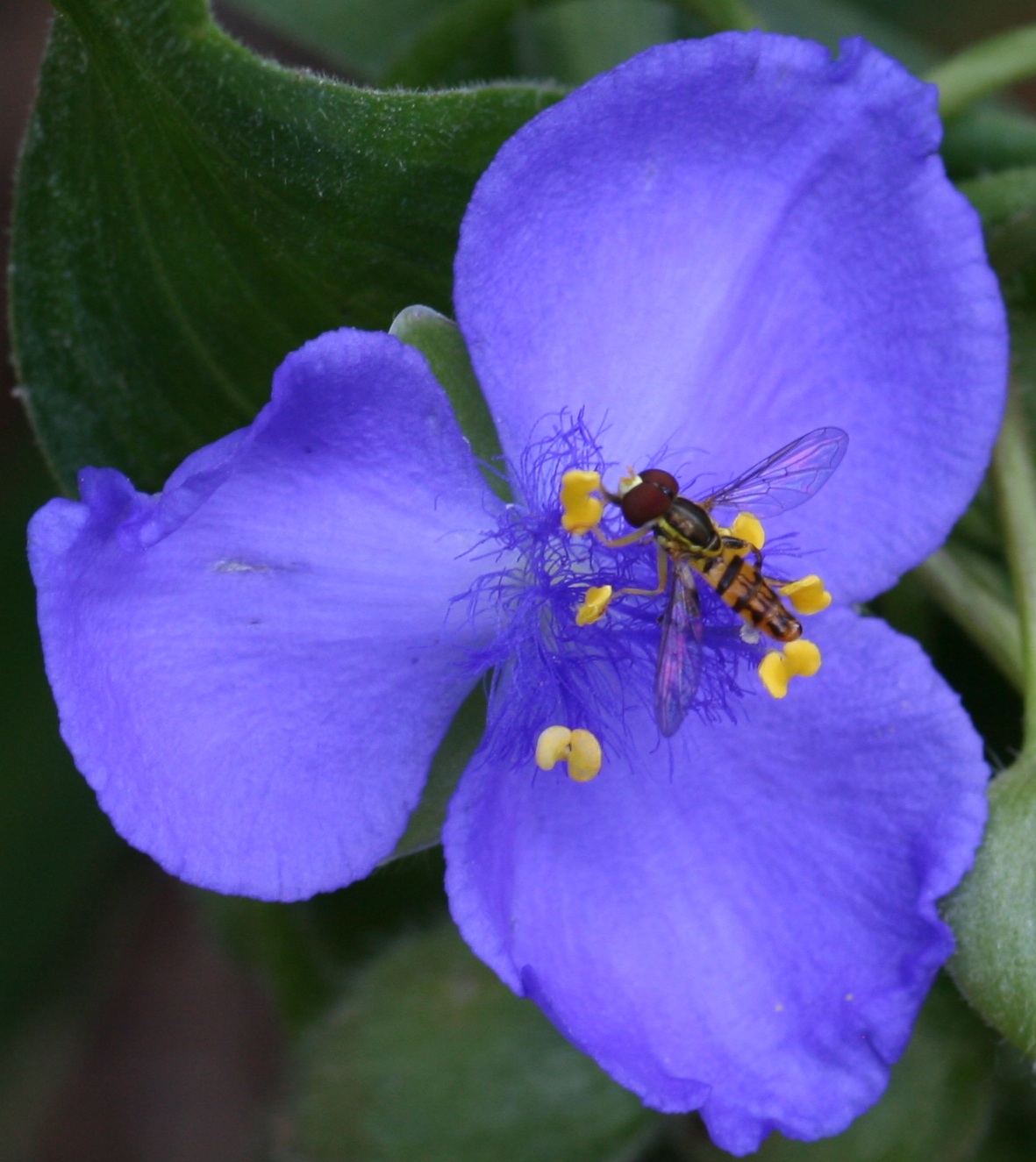
The inch plant produces small, three-petaled pink or purple flowers that are roughly 1 cm (0.4 in) wide. While it blooms year-round in its native tropical habitat, it rarely flowers indoors unless it receives very high light levels and consistent warmth. The flowers emerge from terminal bracts at the ends of the stems and usually last only a single day.
Indoor blooming is not the primary goal for most growers, as the foliage is the main draw. If your plant does flower, it is a sign that its light and nutrient needs are being met perfectly. You do not need to deadhead the flowers, as they will wither and fall off on their own. During the winter months, the plant enters a semi-dormant state where flowering is highly unlikely and growth slows significantly.
Inch Plant vs Wandering Jew: What Is the Difference?
The terms “Inch Plant” and “Wandering Jew” refer to the same species, Tradescantia zebrina, but the latter name is being phased out in modern horticulture. The name “Wandering Dude” or “Silver Inch Plant” is now preferred by many nurseries and botanical gardens. It is important to distinguish this species from the purple heart (Tradescantia pallida), which has solid purple, fuzzy leaves and a more upright growth habit.
Another common look-alike is the white-flowered Tradescantia fluminensis. You can tell them apart by looking at the leaf pattern; T. zebrina has the characteristic silver stripes and purple undersides, while T. fluminensis usually has solid green or white-variegated leaves without the metallic sheen. Both require similar care, but the inch plant is generally more sensitive to cold and requires slightly more light to keep its complex colours.
Year-Round Care for Inch Plant
| Spring | Resume fertilising every 2 weeks with a balanced liquid feed. This is the best time to take cuttings and restart leggy plants in fresh soil. |
|---|---|
| Summer | Check soil moisture every 2-3 days as evaporation increases. Move the plant away from direct afternoon sun to prevent leaf scorch. |
| Autumn | Reduce fertilising to once a month. Bring any plants kept outdoors back inside before night temperatures drop below 10 °C (50 °F). |
| Winter | Stop fertilising entirely. Move the plant to the brightest possible indoor spot and water only when the top 5 cm (2 in) of soil is dry. |
Common Inch Plant Problems Explained
| What you see | Likely cause | What to do |
|---|---|---|
| Leggy stems with few leaves | Insufficient light | Move the plant to a brighter location and prune back long stems to encourage new growth. |
| Mushy, brown stem bases | Root rot from overwatering | Cut off healthy tips to propagate and discard the rotted root system and soil. |
| Faded, dull green leaves | Too much shade | Increase light exposure to bring back the silver stripes and purple pigmentation. |
| Crispy brown leaf tips | Low humidity | Place the pot on a pebble tray or group it with other plants to raise moisture levels. |
Popular Inch Plant Cultivars
- ‘Quadricolor’ – stripes of green, silver, pink, and white
- ‘Purpusii’ – dark purple to bronze leaves with no stripes
- ‘Burgundy’ – deep wine-red leaves with thin silver lines
- ‘Silver Plus’ – extra-wide metallic silver bands on leaves
Frequently Asked Questions
What are the benefits of having an inch plant?
Inch plants are efficient at removing certain indoor air pollutants and are exceptionally easy to propagate, making them great for sharing. In some regions of Mexico, it is traditionally used to make a refreshing cold drink known as Matali tea.
How long do inch plants live?
Individual stems usually look their best for 1 to 2 years before becoming leggy and losing lower leaves. Most growers keep the plant 'immortal' by taking cuttings every year and restarting the pot.
Why is my inch plant turning green?
Your plant is likely not receiving enough light to produce the purple pigments (anthocyanins) that protect it from the sun. Move it to a spot with 6-8 hours of bright, indirect light to restore the colour.
Can inch plant grow in water forever?
Yes, it can grow in water for several months, but it will eventually lack the nutrients needed for vigorous growth. For long-term health, it is better to transplant it into soil or use a hydroponic fertiliser.
Is the inch plant invasive?
In tropical and subtropical climates like Florida or parts of Australia, it is considered invasive because it roots easily from any stem fragment. Always dispose of cuttings in the bin rather than in compost if you live in a warm climate.
Information about traditional or historical uses is provided for educational interest only and is not medical advice. Do not use any plant to treat a condition without speaking to a qualified professional.
Sources & Verification
Taxonomy and distribution are checked against the databases below. Care guidance is written for cultivated species only and reviewed by our editor. How We Build Plant Profiles →