Moses-in-the-cradle (Tradescantia spathacea) is a clump-forming tropical perennial native to Mexico, Central America, and the Caribbean, recognized by its lance-shaped leaves with vivid purple undersides.
While it thrives on neglect on bright windowsills, the sap contains irritants that require glove protection when repotting or dividing overcrowded stems.
Key Facts
- Light: Bright, indirect light maintains intense purple leaf coloration
- Water: Allow top 3 cm (1.2 in) of soil to dry out
- Temperature: 18-27 °C (65-80 °F); protect from frosts below 10 °C (50 °F)
- Toxicity: Mildly toxic to pets; sap causes contact dermatitis
- Size: Reaches 20-40 cm (8-16 in) tall and spreads in clumps
Is Moses-In-The-Cradle Right for Your Home?
Moses-in-the-cradle fits bright windowsills, desks, and plant stands where temperatures remain reliably above 15 °C (59 °F). It suits growers looking for striking foliage, as its dark green upper leaf surfaces contrast with bright violet-purple undersides. Because it grows as a compact rosette of arching foliage, it fills medium-sized pots without sprawling across surfaces like trailing spider plant (Chlorophytum comosum) or inchplant (Tradescantia zebrina).
This species requires consistent bright light to maintain its color contrast. It tolerates brief dry spells, making it suitable for growers who occasionally forget to water, but it drops lower leaves if exposed to cold drafts or waterlogged soil.
What Does Tradescantia spathacea Look Like?
Tradescantia spathacea forms tight rosettes of upright, sword-shaped leaves measuring 20-30 cm (8-12 in) long and 3-5 cm (1.2-2 in) wide. The top side of each leaf is glossy dark green or olive, while the underside is a rich plum or purple. The foliage grows directly from a central short stem, creating a dense, vase-like crown that multiplies into clusters over time.
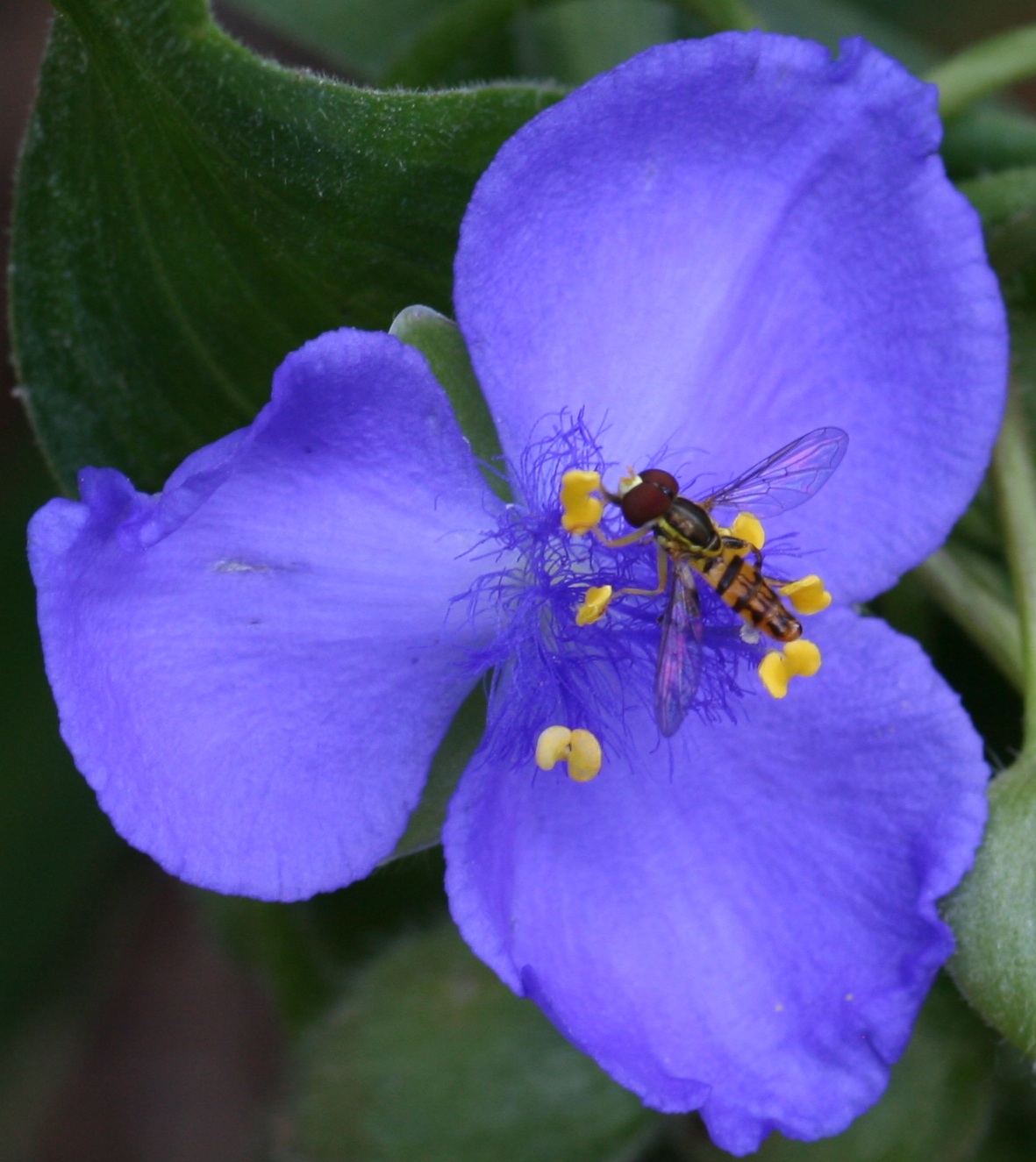
Small, three-petaled white flowers appear nestled inside boat-shaped purple bracts tucked into the leaf axils. These unusual flower structures give rise to its common names, as the blossoms resemble a small figure cradled inside a vessel.
- Height: 20-40 cm (8-16 in)
- Spread: 30-60 cm (12-24 in)
- Leaf Structure: Stiff, fleshy, lanceolate leaves with purple backs
- Flowers: White, three-petaled blooms inside purple boat-like bracts
How Much Light Does Moses-In-The-Cradle Need?
Moses-in-the-cradle needs 4-6 hours of bright, indirect sunlight daily to keep its deep purple leaf undersides vivid. An east-facing or west-facing window works best indoors. If given too little light, the leaf undersides fade to pale green, stems stretch out, and the rosette loses its compact growth habit.
Direct, harsh mid-day sun through an unshaded south window can scorch the foliage, leaving bleached or brown crispy patches on the leaves. If sunlight is limited, place the pot within 30-45 cm (12-18 in) of a standard LED grow light running for 12 hours daily.
How Often to Water Tradescantia spathacea
Water Moses-in-the-cradle when the top 3 cm (1.2 in) of soil has completely dried out. Pour water directly onto the potting medium around the base rather than into the central leaf rosette, as trapped moisture in the leaf axils promotes fungal stem rot. During spring and summer, watering every 7-10 days is typical, while winter watering drops to once every 14-20 days.
Always use a pot with bottom drainage holes so excess water escapes freely. Never leave the container sitting in a saucer of standing water for longer than 20 minutes.
- Spring/Summer: Water when top 3 cm (1.2 in) dries; check every 5-7 days
- Autumn/Winter: Allow soil to dry halfway down the pot; check every 12-14 days
- Method: Apply water directly to the soil line, avoiding foliage centers
Best Soil Mix for Moses-In-The-Cradle
A loose, well-draining potting mix with a pH between 6.0 and 7.0 prevents root rot in Moses-in-the-cradle. Standard indoor potting soils are often too dense on their own, so combine them with inorganic drainage coarse materials to ensure fast water movement.
An ideal home mix consists of 2 parts peat moss or coconut coir, 1 part coarse perlite, and 1 part orchid bark or pine bark fine granules. This combination holds adequate moisture while allowing air to reach the fleshy root system.
Humidity and Temperature Requirements
Maintain indoor temperatures between 18 °C and 27 °C (65-80 °F) and humidity levels around 40-60% for Moses-in-the-cradle. Cold temperatures below 10 °C (50 °F) cause leaf damage, blackening, and stem collapse. Keep pots away from exterior doors, cold glass, or air conditioning vents during cooler months.
Average home humidity is usually sufficient, but low humidity under 30% causes brown, crisp leaf tips. Grouping plants together or using a cool-mist room humidifier solves leaf tip browning during winter heating seasons.
Fertilizing Tradescantia spathacea
Feed Moses-in-the-cradle once a month from April through September using a balanced liquid houseplant fertilizer diluted to half strength. A 10-10-10 or 20-20-20 formula supplies equal nitrogen, phosphorus, and potassium required for steady leaf expansion and root growth. Flush the soil thoroughly with clean water every three months to prevent mineral salt buildup, which burns leaf tips.
Do not apply fertilizer during late autumn and winter when plant growth naturally slows down. Over-fertilization leads to weak, floppy stems and burned root tips.
How to Propagate Moses-In-The-Cradle
Propagate Tradescantia spathacea by dividing side shoots (suckers) at the base during spring repotting. Mature rosettes naturally produce small offset offsets around the main stem. These offshoots root easily once separated with a clean knife.
Stem cuttings cut just below a node root in moist potting soil or clean water within 14-21 days at 20-24 °C (68-75 °F).
- Step 1: Gently remove the parent plant from its pot and locate offshoots with small roots.
- Step 2: Slice the sucker away using a sterile blade, keeping root tissue attached.
- Step 3: Pot individual shoots into 8-10 cm (3-4 in) pots filled with fresh potting mix.
- Step 4: Water lightly and place in bright, indirect light until new leaves appear.
Why Are My Moses-In-The-Cradle Leaves Turning Yellow?
Yellow foliage on Moses-in-the-cradle stems from overwatering, poor drainage, or low light exposure. When root systems remain waterlogged, roots rot and can no longer transport nutrients upward, causing lower leaves to turn soft and yellow. Conversely, faded dull yellow leaves with green veins often indicate intense direct sun exposure scorch.
Inspect leaf undersides regularly for spider mites or mealybugs, which suck plant sap and cause yellow speckling across leaf blades. Treat pests by wiping leaves with a mild insecticidal soap solution or neem oil mixture.
Is Tradescantia spathacea Toxic to Cats and Dogs?
Tradescantia spathacea is mildly toxic to cats, dogs, and humans due to irritating sap containing calcium oxalate crystals. Chewing on leaves causes irritation of the mouth, tongue, and throat, along with excessive drooling and occasional vomiting. The watery sap also triggers allergic contact dermatitis, redness, and itching on human skin and pet paws after handling.
Wear gloves when pruning, taking cuttings, or repotting this plant. Place containers out of reach of pets and curious children on high shelves or plant hangers.
Encouraging Moses-In-The-Cradle Flowers
Moses-in-the-cradle blooms year-round indoors when given high light levels, warmth, and steady moisture. The flowers are small, three-petaled, and bright white, nestled inside purple boat-shaped bracts along the main stem base. While individual flowers last only a day, new buds inside the boat-like bract open continuously for weeks.
If your plant fails to bloom, move it closer to a bright light source receiving bright indirect sun. Deadhead faded purple bracts once they dry out to keep the central rosette neat.
Frequently Asked Questions
Are Moses-in-the-cradle and oyster plant the same plant?
Yes, Moses-in-the-cradle and oyster plant are common names for Tradescantia spathacea. It is also called boat lily or boat plant due to its boat-shaped flower bracts.
What are the benefits of Moses-in-the-cradle plants?
Moses-in-the-cradle provides indoor visual interest with its purple-and-green leaves and air-purifying foliage properties common to tropical houseplants. In traditional medicine across Central America, leaf decoctions were historically used to soothe coughs and fever, though raw sap causes skin irritation.
Why is Tradescantia spathacea used under a microscope?
Tradescantia spathacea is widely used in biology education for microscope studies because its lower leaf epidermis contains vivid purple anthocyanin pigments surrounding green guard cells. This contrast allows students to easily view stomata structure, guard cells, and cytoplasmic streaming.
How big does dwarf Tradescantia spathacea get?
Dwarf cultivars like Tradescantia spathacea 'Dwarf' or 'Minima' reach 10-15 cm (4-6 in) in height and spread around 20-25 cm (8-10 in) wide, remaining much more compact than the standard species.
How do you propagate Tradescantia spathacea tricolor?
Propagate 'Tricolor' by separating side offsets from the base or taking stem cuttings, then potting them into moist potting soil in bright indirect light. Avoid water propagation for variegated cultivars, as roots establish faster directly in soil.
Sources & Verification
Taxonomy and distribution are checked against the databases below. Care guidance is written for cultivated species only and reviewed by our editor. How We Build Plant Profiles →
- Kew Plants of the World OnlineTaxonomic status and native range
- NC State Extension Gardener Plant ToolboxCultivation data and toxicity information
- Missouri Botanical Garden Plant FinderMorphology and indoor growth requirements
- GBIF — Global Biodiversity Information Facilitytaxonomy, synonyms, occurrence records
- Wikipediageneral reference