Ranunculaceae Family: Characteristics, Species, and Care
35 plant profiles · Learn about the Ranunculaceae family, including toxicity, light needs, and care for species like clematis, hellebores, columbines, and buttercups.
The Ranunculaceae family, commonly known as the buttercup family, includes over 2,000 species of mostly herbaceous perennials distributed throughout temperate and cold regions of the Northern Hemisphere. Members of this family share key botanical features: deeply lobed or compound leaves, floral parts arranged in spirals, and numerous stamens at the centre of each bloom. Most species thrive in moist, well-draining soils with temperatures between 10–22 °C (50–72 °F).
Plant selection within Ranunculaceae depends heavily on your garden conditions and space. For shade and late-winter colour, species such as Lenten Rose (Helleborus orientalis) offer blooms in temperatures down to -15 °C (5 °F). Vertical gardens benefit from climbing vines like Evergreen Clematis (Clematis armandii), which grows up to 6 m (20 ft) tall. If you prefer spring cut flowers, Persian Buttercup (Ranunculus asiaticus) and Poppy Anemone (Anemone coronaria) deliver dense blooms, while Columbine (Aquilegia vulgaris) self-seeds readily in partial shade.
Toxicity is a critical factor when growing buttercup family members. Most species contain ranunculin, which breaks down into protoanemonin, a chemical toxin that causes severe skin blistering and stomach upset if ingested. Genera like Monkshood (Aconitum napellus) contain deadly aconitine alkaloids that require handling with gloves. A rare edible exception is Black Cumin (Nigella sativa), cultivated for its culinary seeds, but ornamental Ranunculaceae should always be kept away from children and pets.

American Columbine
Aquilegia canadensis
☀️ Partial Shade 💧 Moderate

Anemone Clematis
Clematis montana
☀️ Full Sun 💧 Moderate

Autumn Monkshood
Aconitum carmichaelii
☀️ Partial Shade 💧 Moderate

Black Cumin
Nigella sativa
☀️ Full Sun 💧 Moderate
Bulbous Buttercup
Ranunculus bulbosus
☀️ Full Sun 💧 Low

Candle Larkspur
Delphinium elatum
☀️ Full Sun 💧 High

Celery-Leaved Buttercup
Ranunculus sceleratus
☀️ Full Sun 💧 High

Christmas Rose
Helleborus niger
☀️ Partial Shade 💧 Moderate

Columbine
Aquilegia vulgaris
☀️ Partial Sun 💧 Moderate
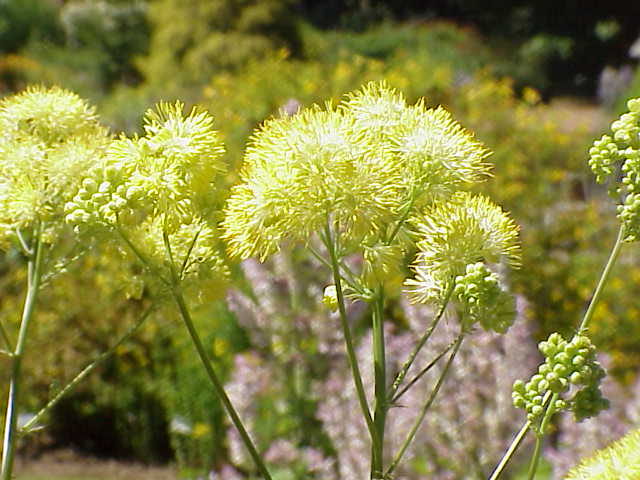
Common Meadow-Rue
Thalictrum flavum
☀️ Partial Sun 💧 Moderate
Common Water-Crowfoot
Ranunculus aquatilis
☀️ Full Sun 💧 Aquatic
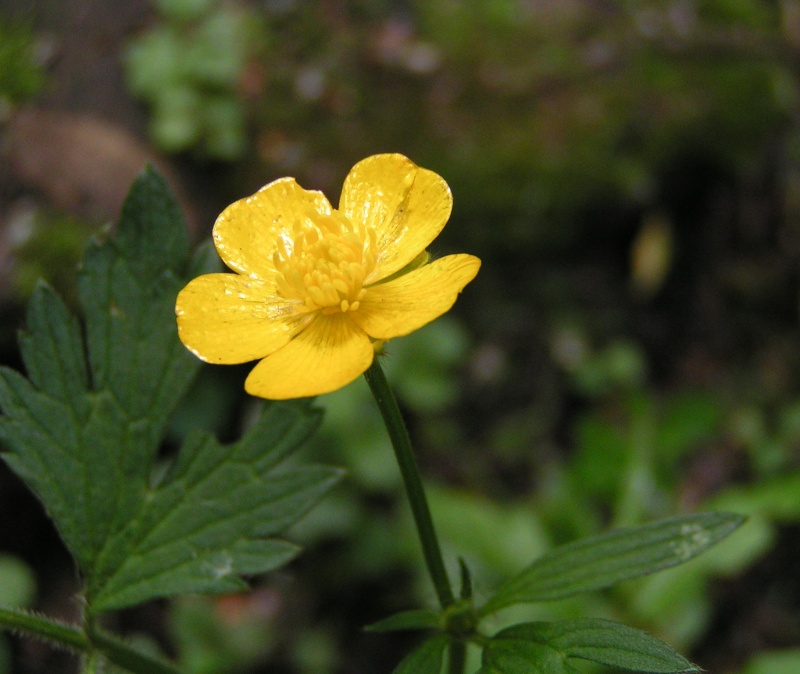
Creeping Buttercup
Ranunculus repens
☀️ Partial Sun 💧 High

Evergreen Clematis
Clematis armandii
☀️ Full Sun 💧 Moderate

Field Larkspur
Delphinium consolida
☀️ Full Sun 💧 Moderate

Glacier Buttercup
Ranunculus glacialis

Globeflower
Trollius europaeus
☀️ Partial Sun 💧 High

Hairy Buttercup
Ranunculus sardous

Indian Goldthread
Coptis teeta

Japanese Anemone
Eriocapitella hupehensis
☀️ Partial Shade 💧 Moderate

Lenten Rose
Helleborus orientalis
☀️ Partial Shade 💧 Moderate

Lesser Celandine
Ficaria verna
☀️ Partial Shade 💧 High
Lesser Spearwort
Ranunculus flammula

Love-In-A-Mist
Nigella damascena
☀️ Full Sun 💧 Low

Marsh Marigold
Caltha palustris
☀️ Full Sun 💧 High
Common Questions
Are Ranunculaceae plants toxic to pets?
Yes, almost all members of the Ranunculaceae family are toxic to dogs, cats, and livestock. Plants in this family produce protoanemonin or harmful alkaloids that cause salivation, vomiting, blistering, and potential heart complications if ingested.
Do Ranunculaceae plants prefer sun or shade?
Most Ranunculaceae species thrive in partial shade to full sun with cool, moist soil. Woodland species like hellebores and wood anemones prefer filtered shade, while flowering vines like clematis require full sun on their leaves and shade over their root zones.
How do you identify plants in the Ranunculaceae family?
You can identify Ranunculaceae plants by their deeply divided leaves and flowers containing numerous central stamens arranged in a spiral. Many species lack distinct petals, relying instead on brightly coloured petal-like sepals to attract pollinators.