Ficus Species: How to Choose and Care for Fig Trees
17 plant profiles · Compare 11 Ficus species, including fiddle-leaf fig, rubber plant, and common fig. Learn lighting, watering, sap handling, and growth habits.
Members of the genus Ficus belong to the mulberry family (Moraceae) and share a distinctive feature: milky latex sap containing irritant enzymes. They rely on specialized fig wasps for pollination inside enclosed inflorescences called syconia. In indoor spaces and warm outdoor climates, these plants vary from aggressive epiphytic stranglers to low-growing ground covers, requiring warm temperatures between 15-29 °C (60-85 °F) and steady bright light.
Choosing the right species depends on your space and intended environment. Tree-form species like the fiddle-leaf fig (Ficus lyrata) and rubber plant (Ficus elastica) develop broad foliage that requires high light indoors and weekly watering when the top 5 cm (2 in) of soil dries out. In contrast, climbing species like the creeping fig (Ficus pumila) spread horizontally or cling to brick walls using adhesive rootlets, thriving as hanging basket specimens or exterior ground covers in USDA hardiness zones 8 to 11.
For outdoor fruit production or historical landscaping, growth habits differ markedly. The common fig (Ficus carica) produces edible, sweet syconia and tolerates frost down to -12 °C (10 °F) when dormant. Large landscape trees such as the banyan (Ficus benghalensis) and sacred fig (Ficus religiosa) drop aerial roots that thicken into secondary trunks, requiring wide open ground to spread naturally.

Broom Cluster Fig
Ficus sur
☀️ Full Sun 💧 High
Chinese Banyan
Ficus microcarpa
☀️ Bright Indirect 💧 Moderate

Cluster Fig
Ficus racemosa
☀️ Full Sun 💧 Moderate
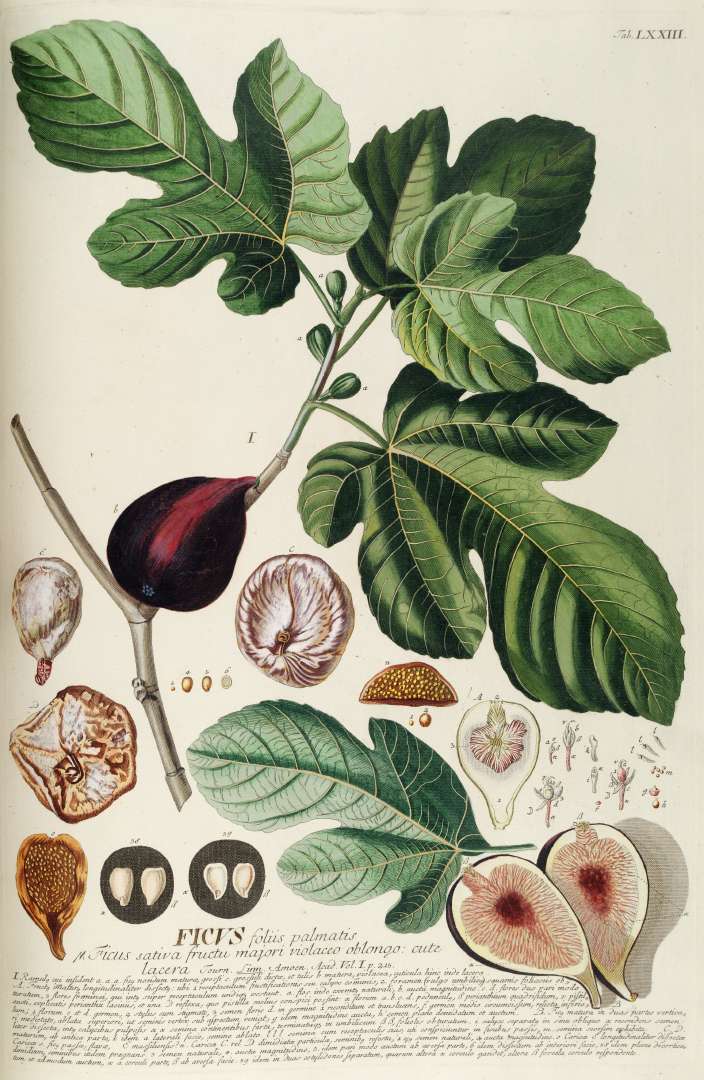
Common Fig
Ficus carica
☀️ Full Sun 💧 Moderate

Creeping Fig
Ficus pumila
☀️ Bright Indirect 💧 Moderate

Dye Fig
Ficus tinctoria

Fiddle-Leaf Fig
Ficus lyrata
☀️ Bright Indirect 💧 Moderate

Florida Strangler Fig
Ficus aurea
☀️ Full Sun 💧 Moderate
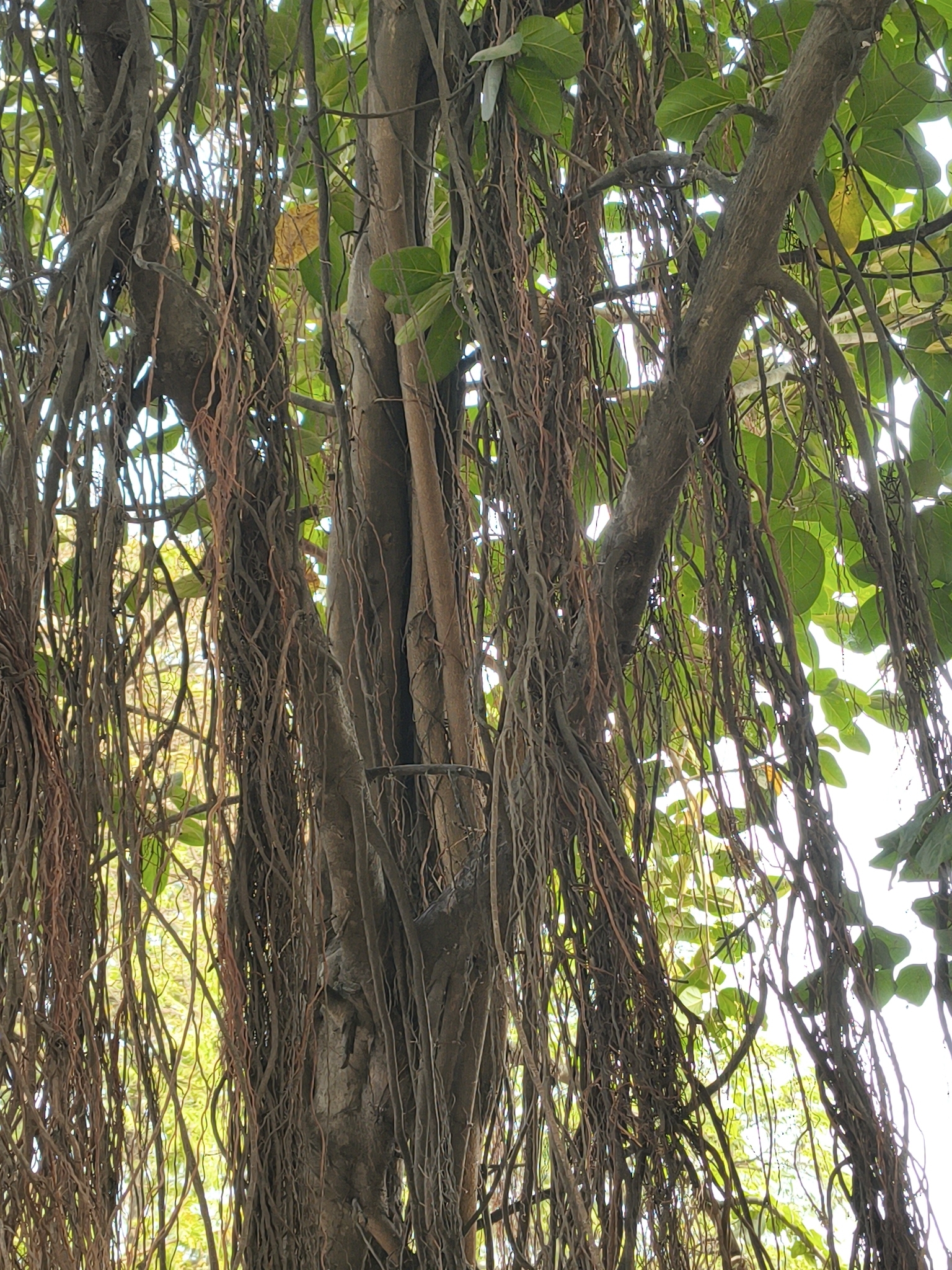
Indian Banyan
Ficus benghalensis
☀️ Bright Indirect 💧 Moderate

Japanese Fig
Ficus erecta
☀️ Full Sun 💧 High

Port Jackson Fig
Ficus rubiginosa
☀️ Full Sun 💧 Moderate

Rubber Plant
Ficus elastica
☀️ Bright Indirect 💧 Moderate

Sacred Fig
Ficus religiosa
☀️ Full Sun 💧 Moderate

Sandpaper Tree
Ficus exasperata
☀️ Full Sun 💧 Moderate

Sweet Sandpaper Fig
Ficus opposita
Sycamore Fig
Ficus sycomorus
☀️ Full Sun 💧 Moderate
Weeping Fig
Ficus benjamina
☀️ Bright Indirect 💧 Moderate
Common Questions
Are all Ficus plants toxic to pets?
All Ficus species contain sap that is toxic to dogs and cats due to gastrointestinal and skin irritants including ficin and psoralens. Ingestion causes drooling, vomiting, and oral inflammation within hours.
Why do Ficus trees drop their leaves after moving?
Ficus trees shed leaves in response to sudden light changes or humidity drops greater than 15 percent. Keeping the plant in a fixed spot with bright indirect sunlight stops leaf drop within 2 to 4 weeks.
How often should you water a Ficus plant?
Water Ficus plants every 7 to 10 days once the top 5 cm (2 in) of potting mix dries out completely. Avoid leaving pots in standing water, which causes root rot within two weeks.
Can you grow a Ficus outdoors in cold climates?
Only the common fig survives freezing temperatures outdoors down to -12 °C (10 °F) when dormant. Tropical species like rubber plants and fiddle-leaf figs require winter indoor shelter when outdoor temperatures drop below 13 °C (55 °F).