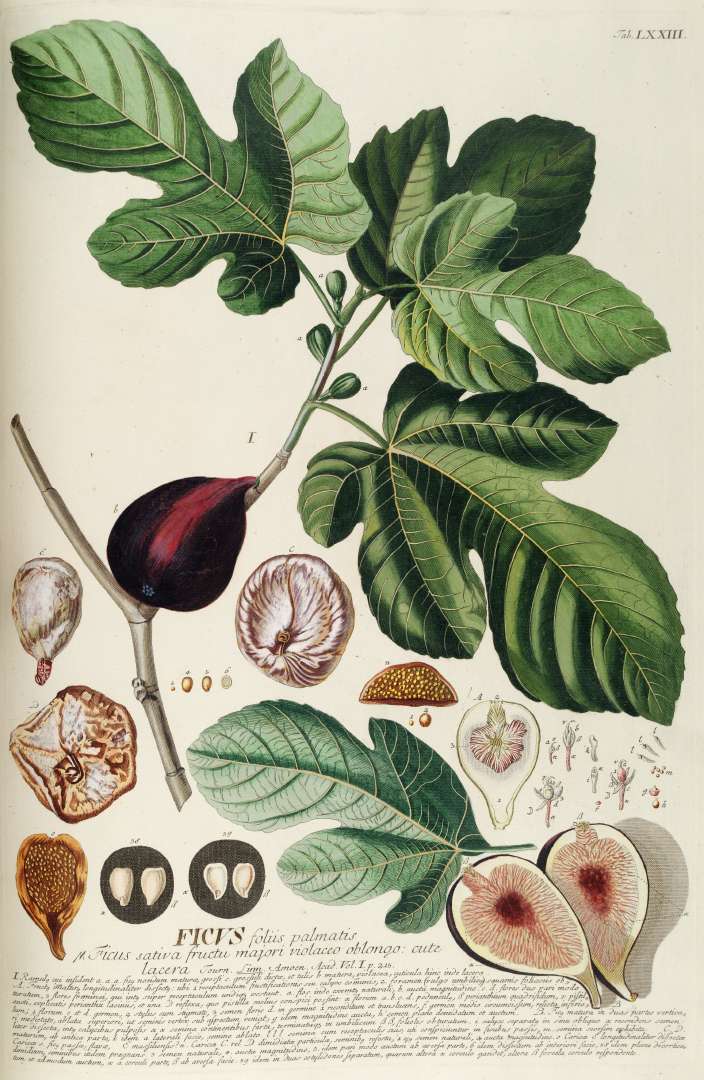
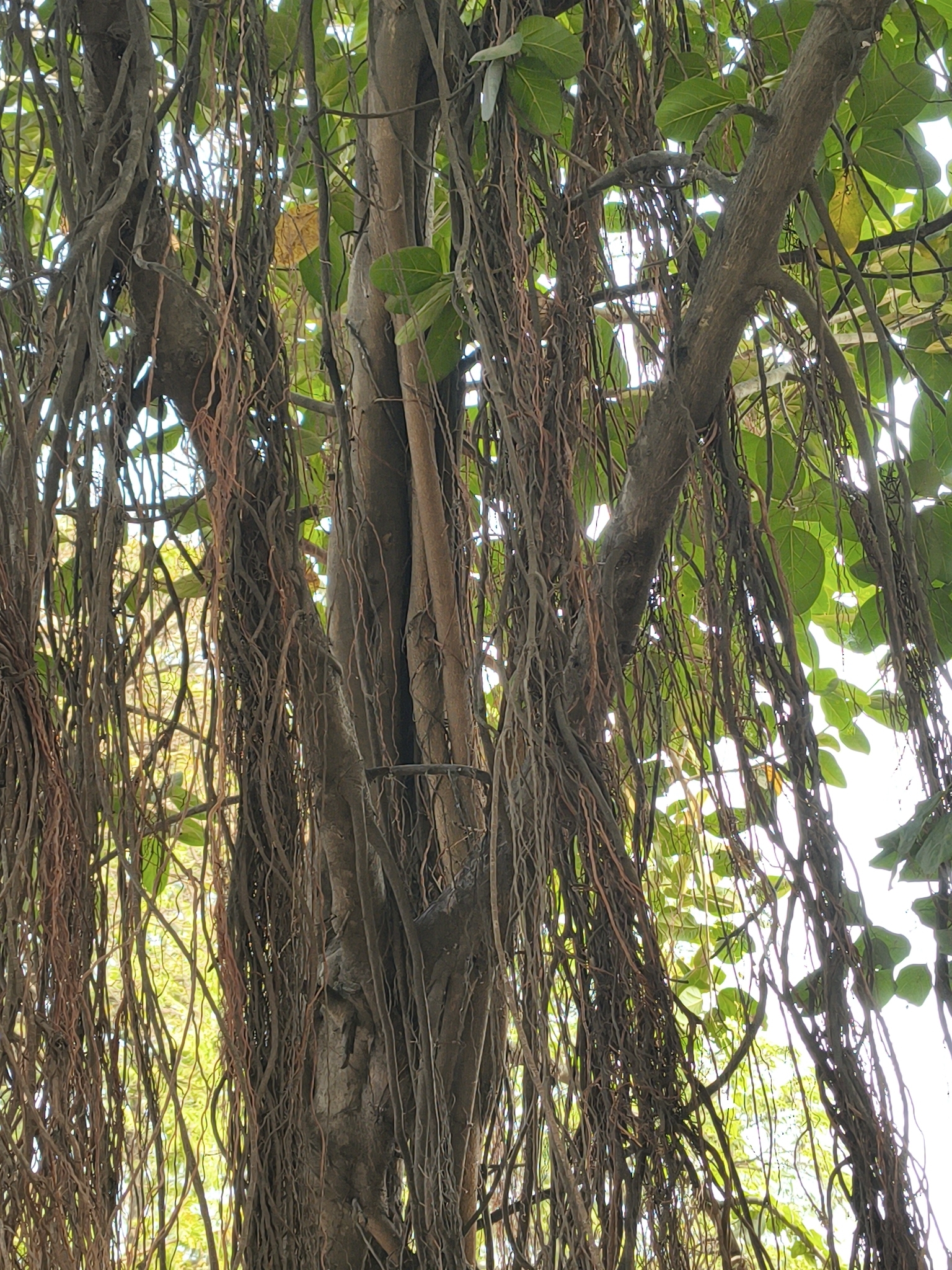
Broom Cluster Fig is a large, fast-growing deciduous to evergreen tree native to sub-Saharan Africa and parts of the Arabian Peninsula. Botanically known as Ficus sur, it belongs to the Moraceae family and is easily recognized by its masses of edible figs growing directly on woody stems.
You will typically encounter this species near riverbanks, forest margins, and groundwater sources across its native range. It forms a dense, spreading canopy that provides deep shade and serves as a major food source for local wildlife.
Key Facts
- Type: Large native tree
- Native Range: Sub-Saharan Africa
- Fruit: Cauliflorous clusters
- Habitat: Riparian zones and forests
- Pollination: Obligate fig wasps
Growing and Encountering Broom Cluster Fig
Ficus sur thrives best in warm climates with reliable soil moisture, making it a prominent feature of lowland forests and riverine fringes. While rarely grown as a conventional garden specimen due to its immense size and aggressive root system, it is occasionally planted in large parks or botanical reserves.
The tree responds well to deep alluvial soils and tolerates occasional seasonal flooding. If you plan to observe one in the wild, look for damp depressions or stream banks where individuals can reach heights exceeding 15 m (50 ft).
How to Identify Broom Cluster Fig
Ficus sur is characterized by large, oval to obovate leaves that measure up to 18 cm (7 in) in length with finely serrated margins when young. The bark is pale grey and smooth, turning slightly rougher on ancient trunks.
- Trunk Fruit: Edible figs emerge in long, pendulous leafless branches directly from old wood and trunks.
- Latex: Stems and leaves exude a milky white latex when damaged.
- Stipules: Prominent reddish stipules protect the emerging terminal buds before falling off.
Natural Habitat and Distribution
Ficus sur is naturally distributed across tropical and southern Africa, extending into Yemen and Saudi Arabia. It occupies diverse ecological zones from sea level up to 2,000 m (6,500 ft) elevation.
You will find the highest concentrations of this species along perennial rivers, swamp margins, and forest-grassland mosaics. It acts as a pioneer species in disturbed forest gaps, utilizing high light availability to establish quickly.
Ecology and Fig Wasp Mutualism
Ficus sur relies entirely on tiny agaonid wasps for pollination in a classic obligate mutualism. Each fig species is pollinated by its own specific wasp species, which enters the closed inflorescence to lay eggs.
- Frugivores: Over 40 species of birds, bats, and primates consume the ripe fruit.
- Seed Dispersal: Ingested seeds are widely scattered across the landscape through animal droppings.
- Habitat Provision: Dense canopies offer nesting sites and thermal cover for forest fauna.
Conservation Status of Ficus sur
Ficus sur is evaluated as Least Concern on the IUCN Red List due to its massive geographic range and stable populations. It faces no immediate global extinction threats.
Local populations face minor pressures from riverbank clearing and timber harvesting for traditional construction. However, the species regenerates rapidly from root suckers and fallen seeds in disturbed areas.
Traditional Uses of Ficus sur
Ficus sur has a long history of use in traditional African pharmacopoeia and local diets. The ripe figs are harvested directly from the trunk and eaten raw or dried for storage.
- Bark Decoctions: Traditionally used by local healers to treat coughs, respiratory ailments, and general fatigue.
- Latex Applications: Applied externally in folk remedies to soothe skin irritations and minor wounds.
- Timber Value: Soft, lightweight wood is occasionally carved into household utensils or used for temporary shelters.
Similar Species to Broom Cluster Fig
Ficus sur can be confused with other wild figs in its native range unless you examine the specific fruiting habit. Compare it carefully against these closely related trees:
- Natal Fig (Ficus natalensis): Features smaller, leathery leaves and non-cauliflorous fruit arrangements.
- Sycamore Fig (Ficus sycomorus): Displays similar trunk-fruiting but possesses heart-shaped leaves with hairy surfaces.
- Red-Leaved Fig (Ficus ingens): Usually grows on rocky outcrops rather than riverbanks and lacks long hanging fig clusters.
Frequently Asked Questions
Is the fruit of Ficus sur edible?
Yes, the figs produced by Ficus sur are entirely edible and sweet when fully ripe, though they occasionally contain wasp larvae. They are consumed raw by humans, monkeys, and numerous bird species.
Can Ficus sur be grown as a bonsai?
Ficus sur can be trained as a bonsai specimen if you prune the aggressive root system and large leaves regularly. It responds well to wiring and develops thick, textured bark over time.
Where does the name broom cluster fig come from?
The common name stems from the dense, clustered arrangement of figs that emerge directly from the woody trunk and older branches, resembling clusters of fruit tied in bundles.
What animals eat broom cluster figs?
Over forty species of birds, fruit bats, baboons, and monkeys regularly feed on the abundant crops of figs produced throughout the year.
Information about traditional or historical uses is provided for educational interest only and is not medical advice. Do not use any plant to treat a condition without speaking to a qualified professional.
Sources & Verification
Taxonomy and distribution are checked against the databases below. Care guidance is written for cultivated species only and reviewed by our editor. How We Build Plant Profiles →