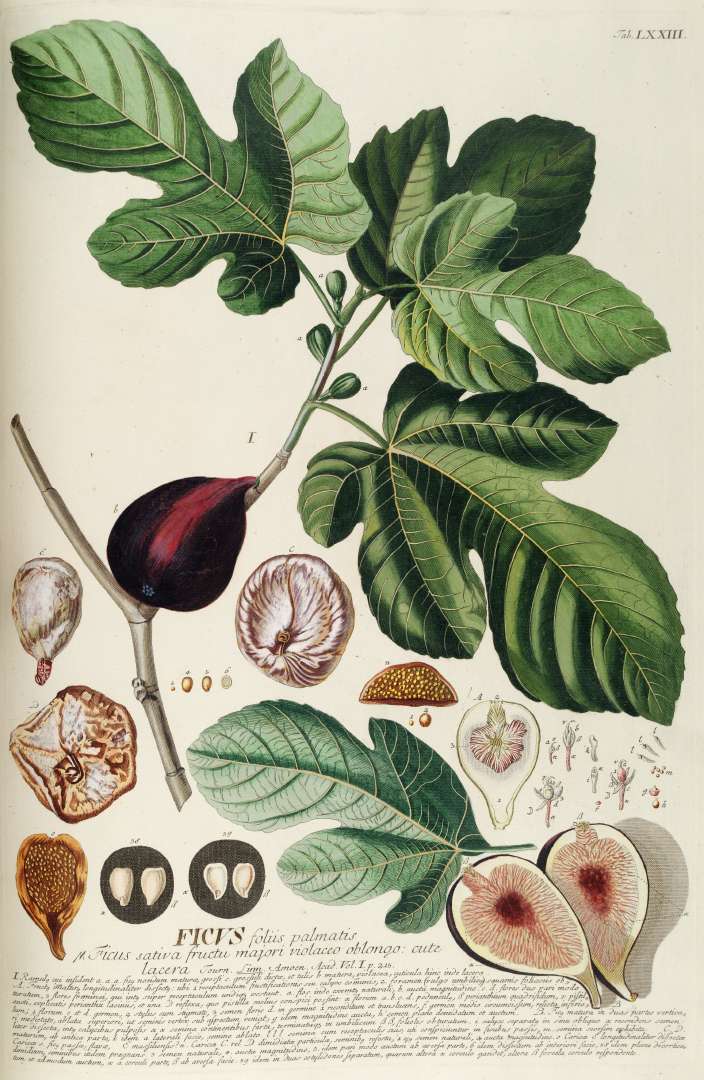
Creeping fig (Ficus pumila) is an evergreen climbing vine native to East Asia, known for its small, heart-shaped juvenile foliage that fastens onto almost any surface via aerial rootlets.
While young stems weave dense green carpets across indoor moss poles and terrarium backgrounds, untrimmed plants develop woody adult stems with leathery leaves five times larger. Keeping the plant in its neat juvenile form requires regular pruning and consistent moisture.
Key Facts
- Light: Bright indirect light; tolerates moderate shade
- Water: Keep soil evenly moist; never let root ball dry out completely
- Soil: Peat-based potting mix with perlite or coarse sand
- Growth rate: Fast; shoots extend 30–60 cm (12–24 in) per season
- Hardiness: USDA Zones 8–11; minimum indoor temperature 13 °C (55 °F)
- Toxicity: Mildly toxic to cats and dogs via milky sap
Living with Creeping Fig Indoors
Creeping fig suits growers looking for a fast coverage vine for indoor topiary frames, hanging baskets, or tropical terrariums. The plant spreads aggressively once established, sending out adhesive tendrils that anchor to timber, plaster, and glass.
Because it attaches using gummy latex secretions, removing established vines from painted interior drywall can strip paint and leave rough residue. Grow it against dedicated trellis ladders, cedar planks, or moss poles to protect interior walls.
- Thrives in high-humidity enclosed environments like vivariums
- Fast root spread fills containers within one to two years
- Requires frequent trimming to keep stems from invading neighboring plants
How to Identify Creeping Fig
Creeping fig displays dimorphic foliage, which means the plant produces two completely different leaf shapes over its lifespan. The juvenile phase features thin, paper-like, heart-shaped leaves measuring 1.5–2.5 cm (0.6–1.0 in) long, set closely in two ranks along slender trailing stems.
When vines climb horizontally or age onto upright supports, they switch to the mature adult phase. Adult stems become stiff, thick, and woody, bearing oblong, leathery leaves up to 7–10 cm (2.8–4.0 in) long with pronounced vein networks beneath.
- Stems: Slender green runners bearing microscopic adventitious root discs
- Juvenile leaves: Asymmetric, cordate, 1.5–2.5 cm (0.6–1.0 in) long, rich green
- Adult leaves: Elliptic to oblong, leathery, 7–10 cm (2.8–4.0 in) long
- Sap: Opaque white latex emerges immediately if stems are severed
Light Requirements for Creeping Fig
Provide bright, indirect light within 1–2 m (3–6 ft) of an east- or north-facing window for dense foliage growth. While the wild species handles direct sun outdoors in warm climates, indoor specimens scorch quickly behind hot glass.
Low light causes stems to stretch, creating long gaps between leaf nodes and causing bottom foliage to drop. Variegated cultivars require brighter indirect exposure than plain green types to maintain white leaf margins.
How Often to Water Creeping Fig
Water creeping fig when the top 1–2 cm (0.5–0.8 in) of potting soil feels dry to the touch. This species does not tolerate complete drying; if the root ball dehydrates, leaves turn crisp and drop rapidly within 48 hours.
Drench the pot until water drains freely from the base holes, then discard standing drainage water after 15 minutes. In winter, reduce watering frequency slightly as growth slows, but never allow the root zone to desiccate.
- Check hanging baskets every 2–3 days because they dry faster than floor pots
- In terrariums, maintain moist substrate without letting water pool at the base
- Brown, crispy foliage that remains green on the branch indicates underwatering
Best Soil and Potting Mix
Use a well-draining, peat- or coco-coir-based potting mix with a pH between 6.0 and 7.5. Dense garden soil compacts in containers, suffocating the fine, fibrous root system.
A reliable potting blend consists of two parts quality potting soil, one part peat moss or coco coir, and one part perlite or pumice. In closed terrariums, plant creeping fig directly into an ABG (Atlanta Botanical Garden) mix over a false drainage layer of expanded clay pebbles.
Temperature and Humidity Needs
Maintain indoor temperatures between 15–26 °C (60–78 °F) and relative humidity levels at or above 50%. The plant tolerates winter drops down to 10 °C (50 °F), but growth stalls below 13 °C (55 °F).
Low indoor humidity during winter heating cycles leads to brown, papery leaf tips. Group plants on pebble trays filled with water, run a cool-mist humidifier, or house the vine in an enclosed vivarium to maintain high moisture levels.
Fertilizing Schedule
Apply a balanced liquid houseplant fertilizer diluted to half strength once every month from April through August. Creeping fig does not require heavy nutrition; excess fertilizer salts damage the fine root tips.
Do not fertilize during autumn and winter when vine growth naturally tapers off. Flush the potting soil with clear, tepid water every three months to wash away accumulated mineral salts.
How to Propagate Creeping Fig
Propagate creeping fig by taking 7–12 cm (3–5 in) stem tip cuttings from juvenile shoots during spring or early summer. Juvenile growth roots significantly faster than stiff adult wood.
Follow these steps to root cuttings:
- Snip stems just below a leaf node using clean pruning shears.
- Remove the leaves from the bottom 3 cm (1.2 in) of the cutting.
- Insert the bare stem into moist potting mix or pure sphagnum moss.
- Cover the pot with a clear plastic bag to seal in moisture and place in bright indirect light.
- Roots establish within 3–4 weeks at temperatures of 20–24 °C (68–75 °F).
Creeping Fig Plant Problems and Pests
Inspect the undersides of leaves monthly for spider mites, scale insects, and mealybugs. Dry room conditions encourage rapid spider mite infestations, which reveal themselves through fine webbing between tiny leaves.
Fungal leaf spot can develop if foliage remains wet overnight in stagnant air. Prune back overgrown, crowded branches to improve interior air circulation and treat existing pests with insecticidal soap or neem oil spray.
Is Creeping Fig Toxic?
Creeping fig is mildly toxic to pets and humans due to insoluble ficin enzymes and furocoumarins present in its white sap. Ingestion causes mouth irritation, drooling, and vomiting in dogs and cats.
Pruning releases the milky latex sap, which can cause contact dermatitis and skin redness in sensitive individuals. Wear protective gloves when shearing extensive vine growth and wash tools thoroughly afterward.
Creeping Fig Fruit and Flowers
Creeping fig flowers only appear on mature, adult stems and develop internally within hollow, fleshy receptacles known as syconia. Indoors, creeping fig almost never produces flowers or fruit because plants are maintained in their juvenile, non-blooming vegetative state.
Outdoor vines climbing walls in frost-free regions produce bell-shaped syconia measuring 5–7 cm (2.0–2.8 in) long. These turn from pale green to deep purple as they ripen. Pollination requires a specific fig wasp (Blastophaga pumilae), meaning indoor potted vines cannot produce viable seeds.
Frequently Asked Questions
Can you grow creeping fig on an indoor wall?
Yes, but the aerial rootlets secrete a strong adhesive that strips paint and drywall when pulled away. Train the vine over an attached wooden trellis or moss pole rather than directly onto indoor drywall.
Why is creeping fig dropping crispy leaves?
Creeping fig drops dry leaves when the soil dries out completely around the roots. Submerge the container in a bowl of lukewarm water for 15 minutes to re-hydrate dry soil pockets.
What is the difference between creeping fig and creeping Charlie?
Creeping fig is a woody, climbing tropical vine in the mulberry family with aerial rootlets, while creeping Charlie (Glechoma hederacea) is a low, herbaceous ground weed in the mint family with square stems, scalloped leaves, and purple flowers.
Is creeping fig suitable for terrariums?
Yes, creeping fig is widely used in closed terrariums because it thrives in high humidity and roots readily along damp hardscape. Regular pruning is necessary to prevent it from covering slower-growing mosses and tropicals.
How fast does creeping fig grow?
Once its root system establishes, creeping fig grows 30–60 cm (12–24 in) in length per growing season. Warm temperatures and high humidity accelerate branch elongation.
Information about traditional or historical uses is provided for educational interest only and is not medical advice. Do not use any plant to treat a condition without speaking to a qualified professional.
Sources & Verification
Taxonomy and distribution are checked against the databases below. Care guidance is written for cultivated species only and reviewed by our editor. How We Build Plant Profiles →
- Kew Plants of the World OnlineTaxonomy, botanical description, and native distribution
- Missouri Botanical GardenCultivation details, hardiness zones, and dimorphic foliage traits
- ASPCA Animal Poison ControlToxicity and clinical signs in dogs and cats
- NC State ExtensionMorphology and landscape climbing characteristics
- GBIF — Global Biodiversity Information Facilitytaxonomy, synonyms, occurrence records
- Wikipediageneral reference