Guide to Moraceae: Mulberry and Fig Family Plants
29 plant profiles · Explore the Moraceae family, from edible black mulberries and giant jackfruit to indoor rubber plants and outdoor Osage orange trees.
Members of the Moraceae family, commonly known as the mulberry or fig family, include over 38 genera and 1,100 species of trees, shrubs, lianas, and woody herbs. Almost all plants in this family produce milky latex sap in their tissues, simple leaves arranged alternately, and unisexual flowers often housed in specialized structures like the hollow receptacle of figs. Most species originate in tropical and subtropical regions of Asia, Africa, and the Americas, though hardy species extend into temperate zones across Europe and North America.
Choosing the right Moraceae species depends on your growing environment and goals. For indoor foliage, container plants like the rubber plant (Ficus elastica) and creeping fig (Ficus pumila) adapt well to household humidity and indirect light. Outdoor fruit growers in temperate climates often choose the black mulberry (Morus nigra) or white mulberry (Morus alba), while tropical gardeners cultivate heavy-fruiting trees such as jackfruit (Artocarpus heterophyllus) and breadfruit (Artocarpus altilis). Landscape specimens like the spreading banyan (Ficus benghalensis) or cold-hardy Osage orange (Maclura pomifera) require large open grounds to accommodate root expansion.
Care requirements vary across the family, but most Moraceae prefer well-draining soil, bright light, and consistent moisture during active growth. Pruning helps manage sap flow and branch shape, while careful handling protects skin from irritants in the latex sap.

Black Mulberry
Morus nigra
☀️ Full Sun 💧 Moderate

Breadfruit
Artocarpus altilis
☀️ Full Sun 💧 High

Breadnut
Brosimum alicastrum

Broom Cluster Fig
Ficus sur
☀️ Full Sun 💧 High
Chempedak
Artocarpus integer
☀️ Full Sun 💧 High
Chinese Banyan
Ficus microcarpa
☀️ Bright Indirect 💧 Moderate

Cluster Fig
Ficus racemosa
☀️ Full Sun 💧 Moderate
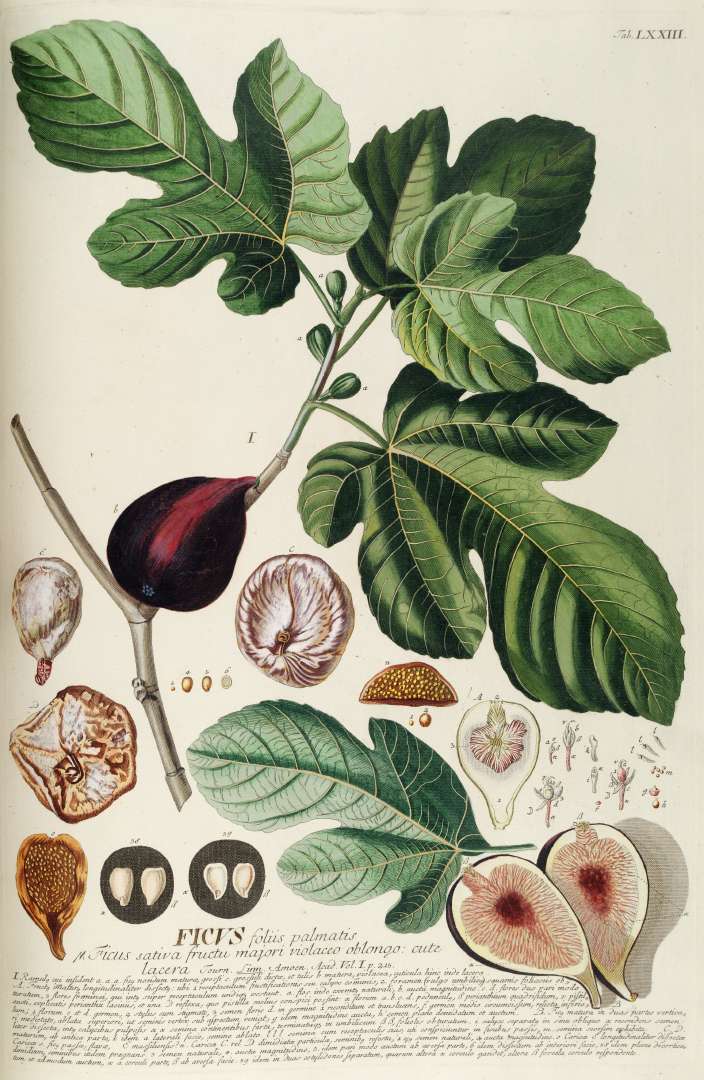
Common Fig
Ficus carica
☀️ Full Sun 💧 Moderate

Creeping Fig
Ficus pumila
☀️ Bright Indirect 💧 Moderate

Dye Fig
Ficus tinctoria

Fiddle-Leaf Fig
Ficus lyrata
☀️ Bright Indirect 💧 Moderate

Florida Strangler Fig
Ficus aurea
☀️ Full Sun 💧 Moderate
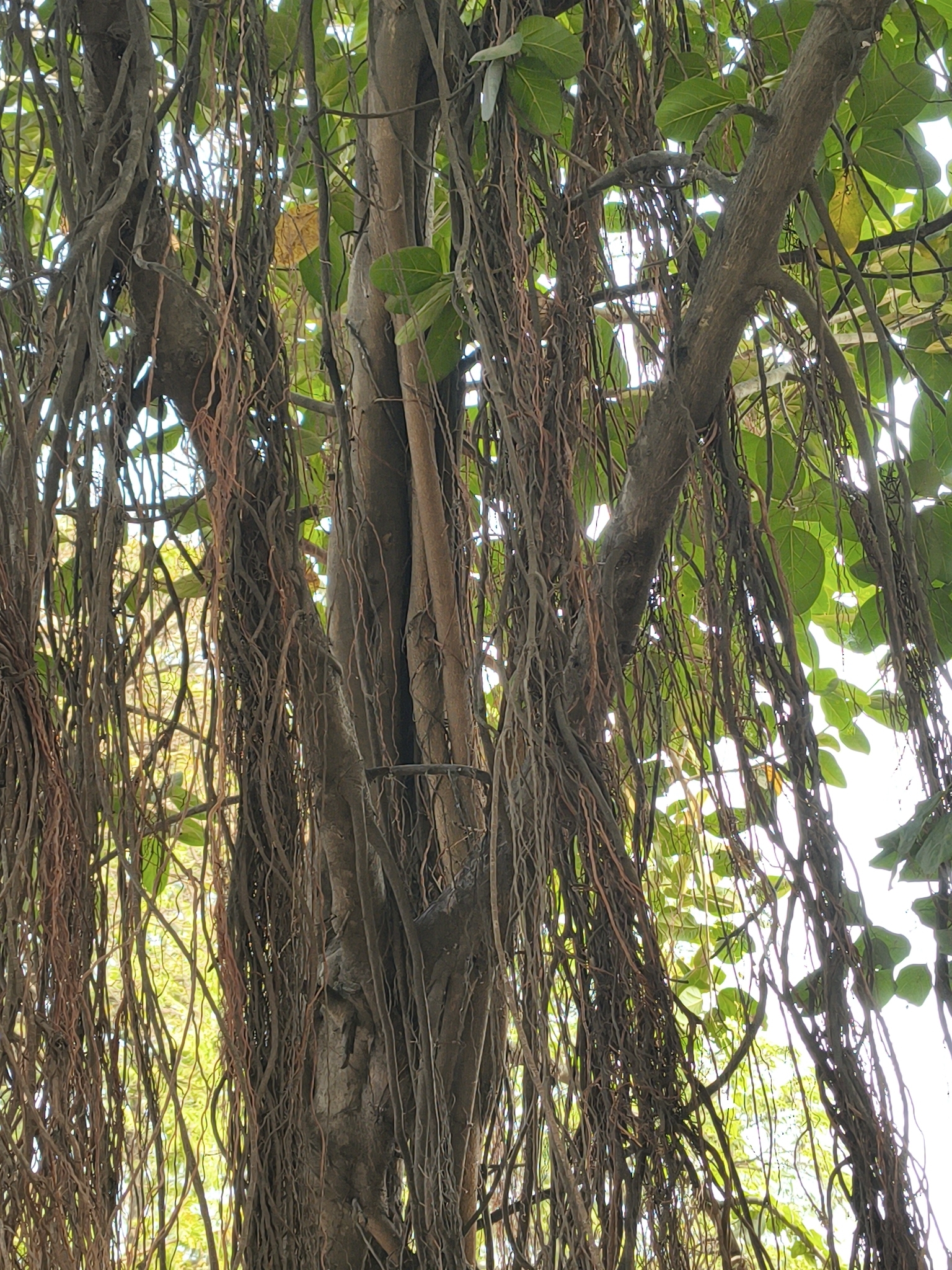
Indian Banyan
Ficus benghalensis
☀️ Bright Indirect 💧 Moderate

Jackfruit
Artocarpus heterophyllus
☀️ Full Sun 💧 Moderate

Japanese Fig
Ficus erecta
☀️ Full Sun 💧 High
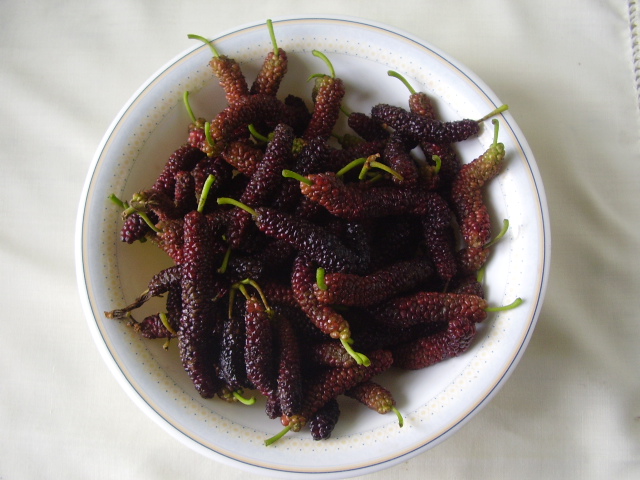
Long Mulberry
Morus macroura
☀️ Full Sun 💧 Moderate

Monkey Jack
Artocarpus lacucha
☀️ Full Sun 💧 Moderate

Osage Orange
Maclura pomifera
☀️ Full Sun 💧 Low

Paper Mulberry
Broussonetia papyrifera
☀️ Full Sun 💧 Moderate

Port Jackson Fig
Ficus rubiginosa
☀️ Full Sun 💧 Moderate

Red Mulberry
Morus rubra
☀️ Full Sun 💧 Moderate

Rubber Plant
Ficus elastica
☀️ Bright Indirect 💧 Moderate

Sacred Fig
Ficus religiosa
☀️ Full Sun 💧 Moderate

Sandpaper Tree
Ficus exasperata
☀️ Full Sun 💧 Moderate
Common Questions
What defines plants in the Moraceae family?
Plants in the Moraceae family share two main traits: sticky white latex sap inside their stems and simple leaves with stipule scars left on the branches.
Are all Moraceae plants edible?
No, not all Moraceae plants produce edible fruit, though species like the black mulberry (Morus nigra) and jackfruit (Artocarpus heterophyllus) are grown specifically for their crops.
Is the milky latex sap from Moraceae plants toxic?
The milky latex sap produced by Moraceae species can cause skin irritation or contact dermatitis in humans and gastrointestinal upset in pets like cats and dogs.