
Silver Wormwood is a silver-leaved perennial native to North America, often recognized by its woolly, aromatic foliage. This member of the daisy family, Artemisia ludoviciana, thrives in dry, sunny conditions where other plants might wither.
It spreads quickly through underground runners, making it a better choice for filling large gaps than for small, tidy containers. The foliage remains a consistent metallic gray throughout the growing season, providing a neutral backdrop for more colorful neighbors.
Key Facts
- Water: once every two weeks during dry spells
- Light: at least six hours of direct sun
- Hardiness: USDA zones 4 through 9
- Soil: well-drained, sandy, or rocky types
Is Silver Wormwood Right for Your Garden?
Silver Wormwood is a fast-growing species that can spread to cover one square meter (10 sq ft) within a single growing season. It is suited for large, open spaces where its rhizomes can wander without crowding out smaller plants. Site selection is the primary concern; if you plant it in rich, wet soil, it will become floppy and spread too aggressively.
This plant is ideal for xeriscaping or rock gardens where water is scarce. Its silver foliage reflects sunlight, helping it stay cool in high temperatures. You should avoid planting it in formal borders unless you are prepared to manage its spread every spring.
Identifying Silver Wormwood
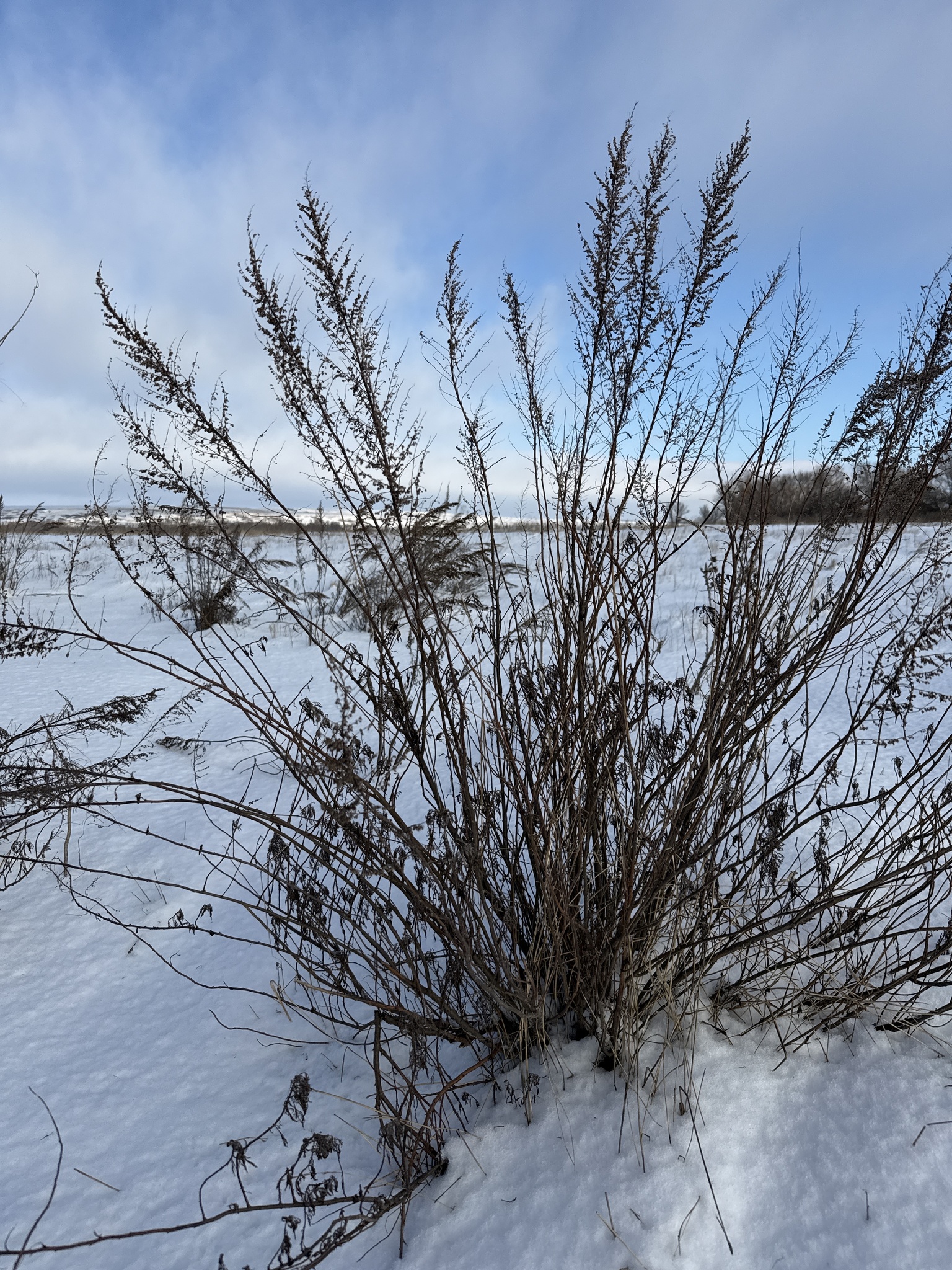
This plant forms upright, unbranched stems that reach a height of 30-100 cm (1-3 ft). The lance-shaped leaves are 5-10 cm (2-4 in) long and are covered on both sides with dense, white-gray woolly hairs. When crushed, the foliage releases a strong, sage-like scent characteristic of the Artemisia genus.
The leaf margins can be smooth or slightly lobed, depending on the specific variety and age of the plant. Unlike many other garden perennials, the silver color does not fade in the heat of summer. The stems are also covered in the same silvery down, giving the entire plant a ghostly, metallic appearance.
Best Light and Soil for Silver Wormwood
Silver Wormwood requires at least six hours of direct sun each day to maintain its structural integrity and silver color. In shaded spots, the stems lose their woolly coating and turn a dull green, often collapsing under their own weight. It thrives in poor, sandy, or rocky soils where other perennials struggle to survive.
Good drainage is essential for this species to survive the winter. If the soil remains waterlogged, the roots will rot quickly. You can improve drainage in heavy soils by incorporating grit or planting on a slight slope or in raised beds.
How to Plant and Space Silver Wormwood
Space your plants 45-60 cm (18-24 in) apart to allow for their natural spreading habit. If you are starting from seeds, sow them on the surface of the soil in early spring, as they require light to germinate. For those worried about the plant taking over, consider planting it in a buried 10-liter (2.6-gallon) bucket to contain the roots.
When planting from a nursery pot, ensure the crown is level with the soil surface. Water the plant in once to settle the soil, but do not keep the area saturated. Once the roots are established, the plant will require very little attention.
Watering and Fertilizer Needs
Water established plants only once every two weeks during prolonged dry spells. Over-watering is the most common cause of death, leading to root rot and a leggy, uncompact habit. The silver hairs on the leaves are an evolutionary adaptation to conserve moisture, making the plant highly drought-tolerant.
You should skip the fertilizer entirely, as high nitrogen levels encourage rapid, weak growth that collapses. Lean soil actually helps the plant maintain its tight, upright form and intense silver color. If your soil is extremely poor, a very light mulch of compost in spring is more than sufficient.
Pruning for Better Foliage
Cut the stems back to 5 cm (2 in) above the ground in late winter or early spring before new growth appears. If the plant looks ragged or too tall in mid-summer, you can shear it back by half to encourage a flush of fresh, silvery leaves. This mid-season trim also helps prevent the plant from flopping onto neighboring flowers.
Removing the flower spikes as they appear in late summer can also help the plant maintain a tidier appearance. Since the flowers are not the main attraction, many gardeners prefer to focus the plant’s energy on foliage production. Regular pruning also helps limit the spread of seeds.
How to Propagate Silver Wormwood
The most effective way to propagate is to divide the plant every three to four years in early spring or autumn. You can also take softwood cuttings in early summer, ensuring they are kept in a gritty, free-draining mix until roots form. Because it spreads via rhizomes, you will often find “volunteers” popping up several feet away from the parent plant.
To divide, simply dig up a section of the root mass with a sharp spade and replant the pieces immediately. Ensure each division has at least one healthy stem or bud. This process also helps rejuvenate older clumps that may have become thin in the center.
Common Pests and Growth Issues
The plant can spread 60-90 cm (2-3 ft) in a single season, which is the most common “problem” reported by gardeners. In heavy clay soils, the plant is susceptible to root rot, which manifests as blackened stems and wilting foliage. You may also notice powdery mildew if the air circulation is poor or if the foliage stays wet overnight.
- Rhizome spread: use root barriers to contain growth
- Root rot: improve drainage with grit or sand
- Powdery mildew: water at the base and improve spacing
- Flopping stems: reduce water and avoid fertilizer
Winter Care and Hardiness
Silver Wormwood is hardy down to USDA Zone 4 and can withstand temperatures as low as -34 °C (-30 °F). The top growth will die back completely after the first hard frost, but the roots remain dormant underground. In regions with wet winters, ensure the soil remains well-drained to prevent the dormant rhizomes from rotting in the cold mud.
You do not need to provide extra protection like mulch or burlap in the winter. In fact, heavy mulching can trap too much moisture around the crown, causing rot. Leave the dead stems standing until late winter to provide some protection for the crown and food for birds.
Flowers and Bloom Season
The flowers appear in late summer to early autumn as small, inconspicuous yellowish-gray heads. These blooms lack showy petals and are arranged in nodding panicles at the tips of the stems. Most gardeners choose to prune these off before they open to keep the focus on the silver foliage and to prevent self-seeding.
While not ornamental, the flowers do provide a late-season food source for some native pollinators. If you are growing the plant in a naturalized meadow, leaving the flowers to go to seed will help the colony expand. In a managed garden, removing them is standard practice to maintain a compact shape.
Year-Round Silver Wormwood Care
| Spring | Cut back old stems to 5 cm (2 in) before new growth starts. Divide established clumps to manage spread or create new plants. |
|---|---|
| Summer | Shear back by half in mid-summer if stems begin to flop. Water only during extreme drought periods. |
| Autumn | Remove spent flower spikes to prevent self-seeding. Avoid heavy mulching that could trap moisture around the crown. |
| Winter | Ensure the site remains well-drained. The plant is fully dormant and requires no water or maintenance. |
Solving Common Silver Wormwood Problems
| What you see | Likely cause | What to do |
|---|---|---|
| Blackened stems at the base | Root rot from wet soil | Improve drainage or move the plant to a drier, sandier location. |
| Stems falling over | Too much nitrogen or shade | Stop fertilizing and ensure the plant receives at least six hours of sun. |
| White coating on leaves turns green | Lack of sunlight | Relocate the plant to a full-sun position to restore silver hairs. |
Commonly Grown Silver Wormwood Cultivars
- ‘Valerie Finnis’ – wider, deeply serrated leaves and compact habit
- ‘Silver King’ – narrow leaves, very upright and tall growth
- ‘Silver Queen’ – broader leaves than ‘Silver King’, very silvery
- ‘Silver Frost’ – lower growing variety with finely textured foliage
Best Companion Plants
Pair Silver Wormwood with three to five drought-tolerant species that share its love for full sun and lean soil. It creates a sharp contrast against the dark green needles of common juniper (Juniperus communis) or the purple spikes of English lavender (Lavandula angustifolia). Other suitable matches include:
- Russian sage (Salvia yangii) for height and texture
- Autumn Joy sedum (Hylotelephium ‘Herbstfreude’) for late-season color
- Blue fescue (Festuca glauca) for a low-growing textural contrast
- Purple coneflower (Echinacea purpurea) for a bold color pop
Frequently Asked Questions
Is Silver Wormwood medicinal?
Traditionally, Indigenous North Americans used Artemisia ludoviciana for treating respiratory issues, stomach pains, and skin infections. It was often prepared as a tea or used in smudging ceremonies for its aromatic properties.
Is Silver Wormwood edible?
While not a primary food source, the leaves are technically edible but possess a very bitter flavor. They have been used sparingly as a culinary spice, similar to sage, but contain thujone which can be toxic in high doses.
What is 'Valerie Finnis'?
'Valerie Finnis' is a named cultivar of Silver Wormwood known for its wider, more deeply serrated leaves. It tends to be slightly more compact than the wild species, reaching about 60 cm (24 in) in height.
What is the native range of Artemisia ludoviciana?
This species is native to North America, ranging from central Canada through most of the United States and into northern Mexico. It is commonly found in prairies, open woodlands, and dry slopes.
How do I tell Silver Wormwood apart from Mugwort?
Silver Wormwood has silver-gray hairs on both sides of its leaves, whereas common mugwort (Artemisia vulgaris) has leaves that are dark green on top and white underneath. Silver Wormwood also tends to have narrower leaves.
Who is 'Nutt' in the plant name?
The 'Nutt.' often seen after the scientific name refers to Thomas Nuttall, the English botanist who first formally described the species in the early 19th century.
Information about traditional or historical uses is provided for educational interest only and is not medical advice. Do not use any plant to treat a condition without speaking to a qualified professional.
Sources & Verification
Taxonomy and distribution are checked against the databases below. Care guidance is written for cultivated species only and reviewed by our editor. How We Build Plant Profiles →
More in Artemisia

Chinese Mugwort
Artemisia argyi
☀️ Full Sun 💧 Moderate
Roman Wormwood
Artemisia pontica
☀️ Full Sun 💧 Low
Sweet Wormwood
Artemisia annua
☀️ Full Sun 💧 Moderate

Mugwort
Artemisia vulgaris
☀️ Full Sun 💧 Moderate
Southernwood
Artemisia abrotanum
☀️ Full Sun 💧 Low

Wormwood
Artemisia absinthium
☀️ Full Sun 💧 Low