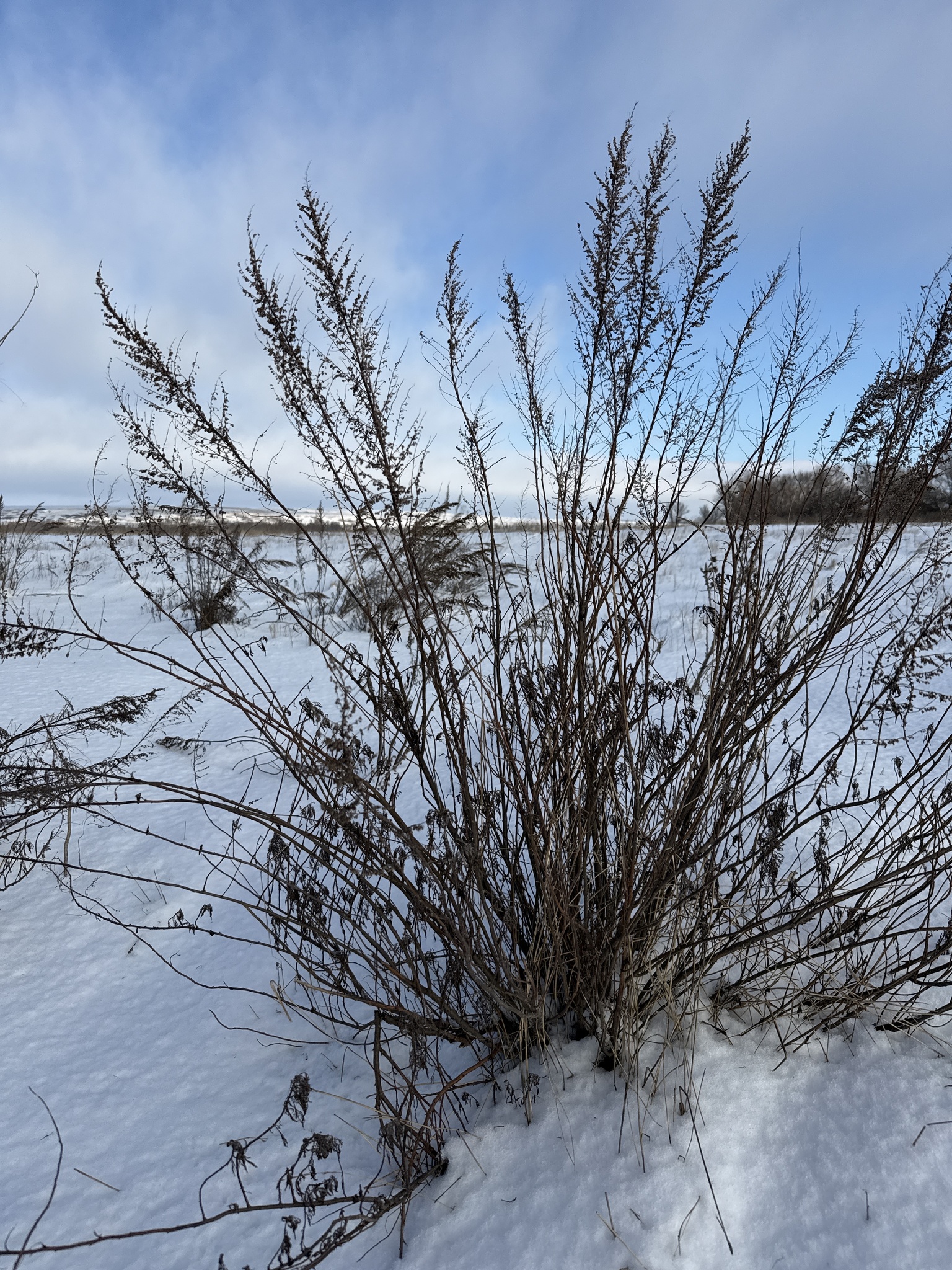
Roman wormwood (Artemisia pontica) is a spreading perennial herb native to southeastern Europe and central Asia, recognized by its finely divided grey-green foliage. It grows 30 to 60 cm (12 to 24 in) tall and expands rapidly through underground creeping rhizomes.
Unlike common absinthe (Artemisia absinthium), this herb yields a less astringent aromatic bitterness required for authentic vermouth production. It demands dry conditions and deteriorates quickly in waterlogged soil.
Key Facts
- Light: Full sun (minimum 6 hours of direct sunlight)
- Water: Low; allow soil to dry between waterings
- Soil: Well-drained sandy or gravelly loam
- Hardiness: USDA Zones 4 to 9
- Height: 30 to 60 cm (12 to 24 in)
- Propagation: Root division in spring or stem cuttings
Growing Roman Wormwood in Gardens
Roman wormwood thrives best in sunny, dry locations with poor to average soil fertility. High nitrogen levels cause the foliage to become leggy and flop over, so rich potting mixes or heavy fertilizers should be avoided entirely.
This species is ideal for rock gardens, dry borders, and formal herb knots where its fine texture contrasts with broad-leaved herbs like sage (Salvia officinalis). Because of its creeping root system, it acts as an effective groundcover on dry banks, though it can outcompete weak companion plants if left unmanaged.
How to Identify Artemisia pontica
Roman wormwood produces bipinnate, finely dissected leaves measuring 1 to 3 cm (0.4 to 1.2 in) long with dense, silky white hairs on the undersides. The foliage emits a sweet, camphor-like scent when crushed between your fingers.
In late summer, vertical flowering stems reach up to 60 cm (24 in) tall, bearing nodding, hemispherical flower heads measuring 2 to 3 mm (0.08 to 0.12 in) across. These small greyish-yellow blossoms cluster in narrow terminal panicles. Its growth habit is distinguished by thin, red-tinged woody stems rising from shallow underground runners.
- Foliage: Silver-green, 2 to 3 times pinnately divided
- Stems: Thin, erect, often reddish at the base
- Flowers: Small, dull yellow-grey heads in late August
- Spread: Spreading rhizomes creating colonies up to 90 cm (36 in) wide
Optimal Growing Conditions for Artemisia pontica
Planting site selection requires unobstructed sunlight for at least 6 to 8 hours daily and soil with a neutral to alkaline pH of 6.5 to 8.0. Shade causes stems to stretch, lose silver coloration, and become prone to fungal diseases.
Substrate permeability is crucial. If growing in heavy clay, amend the top 30 cm (12 in) of soil with equal parts sharp sand and pea gravel to guarantee rapid drainage during heavy autumn rainfall.
Sowing Artemisia pontica Seeds and Division
Propagating from root division in early spring yield functional plants faster than sowing seeds. Seed germination is naturally uneven and requires cold stratification to break dormancy.
When starting from seed, press seeds lightly onto moist seed-starting mix without covering them, as light triggers germination. Maintain temperatures around 15 to 20 °C (59 to 68 °F) for 14 to 21 days until seedlings emerge. Transplant young plants into individual pots once they develop two sets of true leaves.
- Division: Dig up runners in March or April and replant 30 cm (12 in) apart
- Cuttings: Take 8 cm (3 in) softwood cuttings in mid-summer
- Seed sowing: Surface-sow indoors 6 to 8 weeks before the last spring frost
Watering and Care Instructions
Established plants require watering only when the top 5 cm (2 in) of soil is completely dry. Overwatering is the primary cause of plant death in home gardens.
Apply water directly to the base of the plant to keep the delicate foliage dry. No supplementary fertilizer is required under normal garden conditions, as excessive nutrient levels reduce aromatic essential oil concentration in the leaves.
Harvesting Artemisia pontica Leaves
Harvest upper stems and leaves in mid-summer just before the yellow flower buds open, when essential oil levels peak. Cut the top 10 to 15 cm (4 to 6 in) of stem growth using clean pruning shears during early morning hours after dew has dried.
Avoid cutting into old, woody growth near the base of the plant, as this retards late-season regeneration. Up to two full harvests can be taken in a single growing season in warmer climates.
Traditional Artemisia pontica Uses and Bitters
Roman wormwood was traditionally used as a flavoring agent in herbal digestive bitters, vermouth, and absinthe recipes. It provides the characteristic aromatic bitterness without the extreme harshness associated with mugwort (Artemisia vulgaris).
Historically, folk herbalists used dried sprigs in sachets to deter moths from stored textiles. The leaves contain volatile essential oils including thujone, alpha-thujone, and cineole, which account for its historic use in herbal tonic preparations.
Managing Pests and Diseases
The volatile oils in the foliage deter most common insect pests, but root rot caused by excessive moisture is a frequent problem. Poor air circulation in humid summer weather can also induce powdery mildew on dense lower stems.
- Root rot: Yellowing leaves and black, mushy stem bases caused by wet soil; improve drainage immediately
- Powdery mildew: White powdery patches on leaves; thin stems to increase airflow
- Aphids: Rare, but can cluster on young spring shoots; spray off with a strong jet of water
Drying and Storage of Dried Artemisia pontica
Hang harvested stems in small bunches in a dark, warm, well-ventilated room for 7 to 10 days until the leaves crackle to the touch. Exposure to direct light during drying causes foliage to brown and degrades essential oils.
Once dry, strip leaves from the woody stems and store whole in airtight glass containers away from direct heat and light. Stored correctly, dried foliage retains its aromatic strength for up to 12 months.
Year-Round Care for Roman Wormwood
| Spring | Divide overgrown roots every 3 years. Cut dead winter stems back to ground level before new shoots emerge. |
|---|---|
| Summer | Harvest leafy stem tips before flowering. Trim back leggy stems by 10 cm (4 in) mid-season to encourage dense growth. |
| Autumn | Stop watering as plant growth slows. Shear back spent flower heads to prevent untidy self-seeding. |
| Winter | Ensure soil stays free of standing water. Apply gravel mulch around the base to prevent moisture retention near stems. |
Common Roman Wormwood Problems and Solutions
| What you see | Likely cause | What to do |
|---|---|---|
| Stems flopping over | Too much nitrogen fertilizer or insufficient sunlight | Stop fertilizing and move plant to full sun |
| Blackened, rotting stem bases | Waterlogged soil causing root rot | Replant into fast-draining, gravelly soil |
| White powdery coating on foliage | Powdery mildew due to high humidity and stagnant air | Thin out stems to improve circulation and keep foliage dry |
Frequently Asked Questions
What is the difference between Artemisia pontica and Powis Castle?
Roman wormwood (Artemisia pontica) is an upright herb growing 30 to 60 cm (12 to 24 in) tall with rhizomatous spread, while 'Powis Castle' (Artemisia 'Powis Castle') is a larger, non-spreading woody shrub reaching 90 to 120 cm (36 to 48 in) tall.
Is Artemisia pontica toxic to pets?
Yes, Roman wormwood contains thujone and other essential oils that are toxic to dogs and cats if ingested in significant quantities, potentially causing gastrointestinal distress.
Can you consume dried Artemisia pontica?
Dried leaves were traditionally used as a flavoring in commercial vermouth and herbal liqueurs, but raw foliage should not be ingested directly due to bitter compounds and thujone content.
How fast does Artemisia pontica spread?
In full sun and loose, well-draining soil, underground rhizomes can expand the clump by 30 to 45 cm (12 to 18 in) in a single growing season.
Information about traditional or historical uses is provided for educational interest only and is not medical advice. Do not use any plant to treat a condition without speaking to a qualified professional.
Sources & Verification
Taxonomy and distribution are checked against the databases below. Care guidance is written for cultivated species only and reviewed by our editor. How We Build Plant Profiles →