
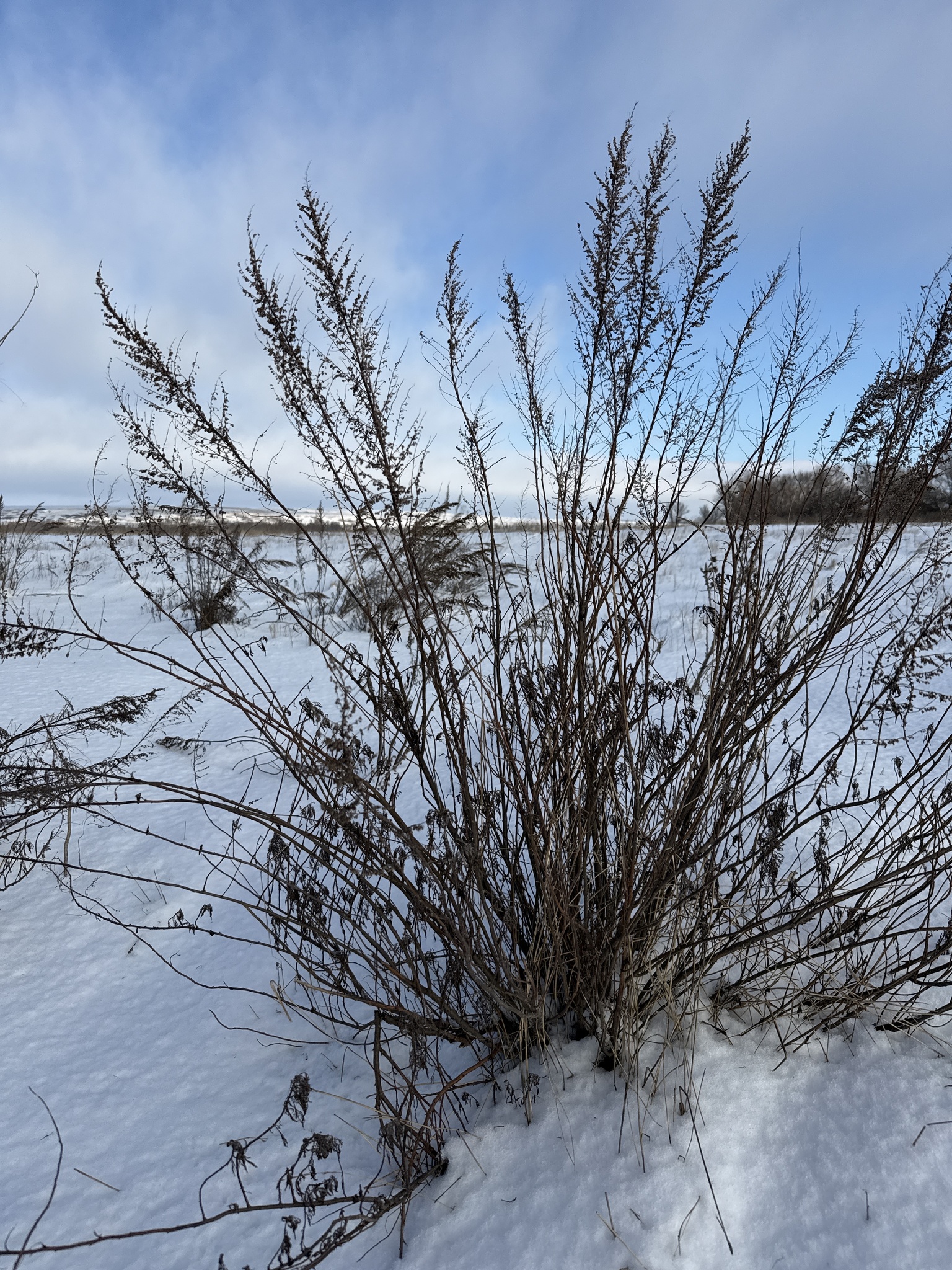
Oriental wormwood (Artemisia scoparia) is an aromatic annual or biennial herb native to temperate Eurasia, ranging from France across Central Asia to Japan. It forms upright, dark red or purplish stems reaching 40–120 cm (16–47 in) tall, lined with finely dissected silver-green foliage.
The plant thrives in dry, lean soil where standard garden crops falter, producing small yellow flower heads from August to October. Young spring shoots are traditionally harvested in East Asia before the central flower stem elongates.
Key Facts
- Height: 40–120 cm (16–47 in) tall
- Sun exposure: Full sun with 6+ hours direct light
- Water: Low; allow soil to dry completely
- Hardiness: USDA zones 4 through 9
- Harvest window: Early spring for leaves, late summer for stems
Where Oriental Wormwood Fits in Herb Gardens
Oriental wormwood grows best in exposed, sunny herbal plots with dry, poor-grade soil where nitrogen levels remain minimal. High organic matter and excessive fertility cause its slender stems to flop over by late summer.
If you manage a sandy slope or gravel bed in USDA zones 4 through 9, this taprooted species fills dry gaps rapidly. It self-seeds readily if flower heads remain on the stem past November.
Identifying Oriental Wormwood Plants
Oriental wormwood is identified by its reddish-purple smooth stems, thread-like leaf segments, and intense aromatic fragrance when bruised. In contrast to common wormwood (Artemisia absinthium), the main stems lack dense white hairs and turn distinctively purple in late summer.
In its first spring, the plant forms a flat basal rosette of bi-pinnate leaves measuring 3–7 cm (1.2–2.8 in) long. Central stems elongate rapidly by July, branching widely into slender stalks.
The flowers open from August to October:
- Flower heads: Globose heads measuring 1.5–2 mm (0.06–0.08 in) wide
- Color: Pale yellow to greenish outer florets
- Inflorescence: Broad, branched panicles containing hundreds of individual heads
- Aroma: Pungent herbal scent rich in essential oils like capillarisin and beta-pinene
Light and Soil Needs for Artemisia scoparia
Oriental wormwood requires a minimum of 6 hours of direct sunlight daily and light, well-draining soil with a pH between 6.0 and 7.5. Direct sun promotes stem pigmentation and concentrates volatile oil production within the leaf tissues.
In partial shade, stems grow weak and leggy, making them prone to wind damage. Heavy clay must be amended with equal parts coarse grit or sand to prevent winter root rot.
- Soil texture: Sandy loam, coarse gravel, or rocky earth
- pH range: Neutral to slightly alkaline (6.0 to 7.5)
- Drainage capacity: High permeability; standing water kills taproots within 48 hours
Sowing Oriental Wormwood Seeds
Sow seeds shallowly on the soil surface in early spring when soil temperatures reach 15–20 °C (59–68 °F). The seeds require light to germinate, which typically occurs within 10 to 14 days.
Press seeds firmly into damp potting media without covering them with soil. Keep the surface misted until seedlings emerge with two true leaves.
Thin garden seedlings to a final spacing of 30–45 cm (12–18 in) apart. Deep pots of at least 25 cm (10 in) are required for container cultivation to accommodate the straight taproot system.
Watering and Feeding Requirements
Water young seedlings with 2.5 cm (1 in) of water per week until established, then reduce irrigation to periods of severe drought. Mature plants draw moisture from deep soil layers via their taproot.
Rainfall is usually sufficient throughout temperate summers. Avoid applying nitrogen fertilizers entirely, as supplemental nutrients weaken stem strength and lower aromatic compound levels.
Harvesting Oriental Wormwood
Harvest young spring rosettes when leaves reach 5–10 cm (2–4 in) in length before central flower stems emerge. In East Asian herbal traditions, young spring growth contains optimal active compound profiles.
Use sharp shears to snip basal foliage 2 cm (0.8 in) above ground level. A secondary autumn harvest can yield flowering stem tips before seeds ripen.
- Spring harvest: Tender foliage gathered in April or May
- Autumn harvest: Upper flowering stems cut in September
- Harvest frequency: One early leaf harvest per plant to allow stem growth
Traditional Uses of Oriental Wormwood
Oriental wormwood has been traditionally used in East Asian medicine under the name Yin Chen Hao for liver support and digestive preparations. Historical Chinese texts record combining it with Oriental water plantain (Alisma plantago-aquatica) to clear internal heat.
Unlike sweet wormwood (Artemisia annua), which is cultivated primarily for artemisinin, Oriental wormwood contains notable concentrations of scoparone and chlorogenic acid. Essential oils distilled from its foliage are also incorporated into plant-based insect repellents.
Pests, Diseases, and Artemisia scoparia Allergy Risks
Wind-borne pollen from blooming Oriental wormwood can trigger seasonal allergic rhinitis and asthma symptoms during August and September. Sensitive individuals should remove flower spikes before buds open.
Insect pests rarely damage the aromatic foliage, but poor drainage induces fungal problems. Plants grown near sweet tarragon (Artemisia dracunculus) should be spaced widely to maintain airflow.
- Root rot: Caused by waterlogged soil during winter wet periods
- Powdery mildew: White powdery growth appearing on overcrowded leaves
- Aphids: Clustered on soft spring shoots, controlled by water sprays
Drying and Storing Artemisia scoparia
Dry harvested shoots in a dark, well-ventilated space maintained at 20–25 °C (68–77 °F) for 7 to 10 days. Lay stems in a single layer on mesh drying screens to ensure uniform moisture loss.
Dried material retains its dark green color and bitter aroma when kept out of direct sunlight. Store intact dried stems in glass jars for up to 12 months below 20 °C (68 °F).
Year-Round Care for Oriental Wormwood
| Spring | Sow seeds outdoors when soil reaches 15–20 °C (59–68 °F). Harvest tender young rosettes when leaves measure 5–10 cm (2–4 in) long. |
|---|---|
| Summer | Thin plants to 30–45 cm (12–18 in) spacing to prevent overcrowding. Withhold supplemental fertilizers and water only during dry spans over three weeks. |
| Autumn | Harvest mature flowering stem tips in September before seeds mature. Remove unwanted flower panicles to limit wind-borne allergen pollen release. |
| Winter | Cut dead annual stems back to soil level in December. Ensure garden beds remain free of standing winter water to protect root zones. |
Common Oriental Wormwood Growing Problems
| What you see | Likely cause | What to do |
|---|---|---|
| Stems bending and falling over | Overfertilization or excessively rich soil | Stop applying nutrients and transplant into lean, unamended sandy soil. |
| Blackened stem bases and leaf wilting | Root rot from saturated soil | Improve drainage by mixing coarse gravel into the top 20 cm (8 in) of soil. |
| White powder coating lower foliage | Powdery mildew in stagnant, humid air | Space plants 40 cm (16 in) apart and water exclusively at the base. |
| Sneezing and itchy eyes near plants | Allergies to Artemisia scoparia pollen | Prune away flower panicles in July before florets open. |
Oriental Wormwood Strains and Related Species
- ‘Yin-Chen’ strain – traditional East Asian selection grown for early spring leaf yields
- Wild Redstem selection – deep purplish-red stem form with elevated essential oil content
Frequently Asked Questions
What is the common name for Artemisia scoparia?
Artemisia scoparia is commonly known as Oriental wormwood, redstem wormwood, virgate wormwood, or Yin-chen wormwood.
What are the health benefits of Oriental wormwood?
Oriental wormwood has been traditionally used in Chinese herbal practices under the name Yin Chen Hao to support liver and gallbladder function. Modern studies investigate its scoparone content, though raw ingestion is not recommended due to volatile oil toxicity.
Is Artemisia invasive in North America and Europe?
While some mugwort species spread rapidly, Artemisia scoparia is generally classified as a non-invasive naturalized or native annual across Eurasia and is rarely listed as a noxious weed in North America.
What is the difference between Oriental wormwood and Oriental Limelight wormwood?
Oriental wormwood is Artemisia scoparia, an upright biennial herb with fine green foliage and red stems. Oriental Limelight is a variegated yellow-and-green cultivar of mugwort (Artemisia vulgaris).
Why is Oriental wormwood combined with Oriental water plantain?
In traditional Asian herbal formulas like Yin Chen Hao Tang, Oriental wormwood is paired with Oriental water plantain (Alisma plantago-aquatica) to clear dampness and balance fluid regulation.
Information about traditional or historical uses is provided for educational interest only and is not medical advice. Do not use any plant to treat a condition without speaking to a qualified professional.
Sources & Verification
Taxonomy and distribution are checked against the databases below. Care guidance is written for cultivated species only and reviewed by our editor. How We Build Plant Profiles →
More in Artemisia

Capillary Wormwood
Artemisia capillaris
☀️ Full Sun 💧 Low

Tarragon
Artemisia dracunculus
☀️ Full Sun 💧 Low
Southernwood
Artemisia abrotanum
☀️ Full Sun 💧 Low

Wormwood
Artemisia absinthium
☀️ Full Sun 💧 Low
Sweet Wormwood
Artemisia annua
☀️ Full Sun 💧 Moderate

Mugwort
Artemisia vulgaris
☀️ Full Sun 💧 Moderate