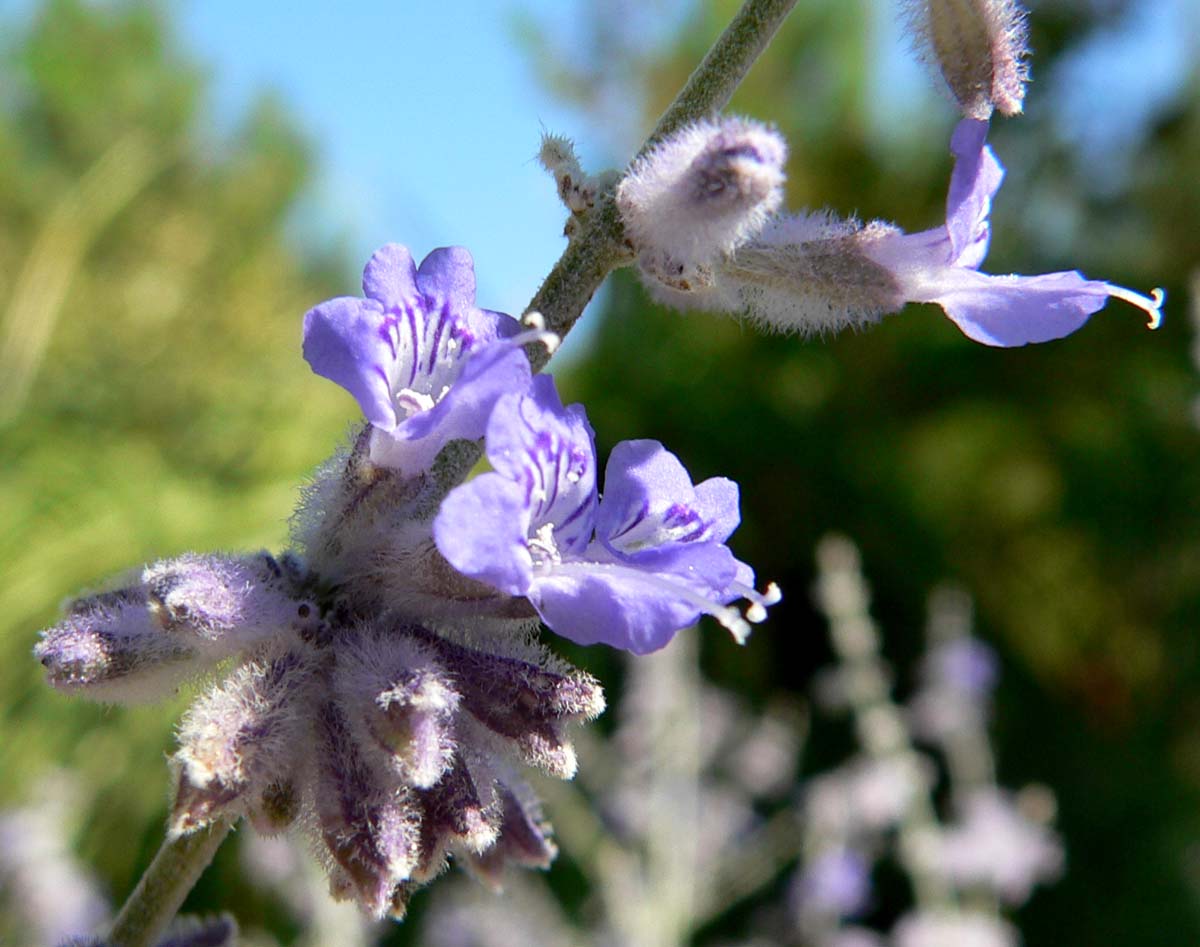
Greek sage is a woody perennial herb native to the eastern Mediterranean, characterized by its unique three-lobed foliage. Salvia fruticosa produces high levels of essential oils, making it a staple for traditional herbal teas in Greece and the Levant.
This species is more heat-tolerant than common sage (Salvia officinalis) but requires exceptionally sharp drainage to survive winter. It serves as both a culinary asset and a drought-resistant ornamental in gravel gardens.
Key Facts
- Water: only when soil is dry 5 cm (2 in) deep
- Light: full sun for at least 6 hours daily
- Soil: gritty, well-drained, pH 6.5-7.5
- Hardiness: USDA zones 8 through 10
- Pruning: cut back by one-third in early spring
Is Greek Sage Right for Your Garden?
Greek sage is a productive choice for dry, sunny gardens where its high essential oil content makes it more pungent than common sage (Salvia officinalis). It thrives in poor, rocky soil where other herbs might struggle or lose their flavor. You can expect a harvestable plant within one season if starting from a nursery-grown specimen.
It is particularly suited to Mediterranean-style gravel gardens or coastal areas where salt spray is common. Because it grows as a woody sub-shrub, it provides structure year-round in frost-free climates. It requires very little maintenance once established, provided the soil never remains soggy.
Identifying Greek Sage by Its Leaves
You can identify Greek sage by its three-lobed leaves, a feature that distinguishes it from the single-bladed common sage. The leaves are 2-5 cm (0.8-2 in) long, woolly, and silver-green in color with a rugose texture. The two smaller lobes at the base of the main leaf give it the common name “three-lobe sage.”
The plant grows as a woody sub-shrub reaching 60-100 cm (2-3 ft) in height and width. Flowers appear in late spring as whorls of pinkish-lavender blooms on long stalks held above the foliage. Unlike some salvias, the stems remain relatively upright even when loaded with flowers.
The Best Conditions for Salvia fruticosa
This herb requires at least 6-8 hours of direct sunlight daily to develop its full aromatic potential and prevent leggy growth. It is native to rocky Mediterranean hillsides and cannot tolerate “wet feet” or heavy clay soils. If your soil is heavy, grow it in raised beds or containers to ensure drainage.
Ensure the planting site has excellent drainage, particularly during the winter months when rot is most likely. It prefers a soil pH between 6.5 and 7.5 and will tolerate nutrient-poor substrates. High humidity can lead to leaf problems, so choose a site with good natural air movement.
Sowing Seeds and Planting Cuttings
Start seeds indoors 6-8 weeks before the last frost or take softwood cuttings in early summer. Seeds are small and require light to germinate, so press them into the surface of the seed-starting mix rather than burying them. Maintain a temperature of 18-21 °C (65-70 °F) for consistent germination within 14 days.
Cuttings are often more reliable than seeds for maintaining specific cultivar traits like those of ‘Greek Skies’. Use a well-draining propagation mix and keep the cuttings in a bright, humid spot until roots form. Space mature plants 60 cm (2 ft) apart to allow for their mature spread and air circulation.
Watering and Care Requirements
Water deeply only when the top 5 cm (2 in) of soil has completely dried out. Once established, Greek sage is extremely drought-tolerant and rarely needs supplemental fertilizer, which can actually dilute the flavor of the leaves. Over-fertilizing leads to soft, lush growth that is more susceptible to pests and winter damage.
Prune the plant back by one-third in early spring to stimulate new growth and prevent it from becoming overly woody. Avoid cutting into the old, dark wood where no green buds are visible, as it may not regrow from these points. Removing spent flower spikes in early summer can encourage a smaller second flush of leaves.
Harvesting Leaves for Tea and Cooking
Pick individual leaves or stems before the plant flowers in late spring for the highest concentration of therapeutic oils. You can harvest up to one-third of the plant’s foliage at once during the peak of summer without harming its health. Frequent light harvesting helps keep the plant bushy and prevents it from becoming top-heavy.
Use sharp shears to make clean cuts just above a leaf node to encourage bushier regrowth. Morning is the best time to harvest before the sun evaporates the volatile aromatic compounds. If you are harvesting for tea, the older, larger leaves often carry a stronger camphor punch than the tender new tips.
Traditional Uses and Benefits of Greek Sage
Greek sage is traditionally used to make Faskomilo tea, a popular Mediterranean herbal infusion known for its strong camphor-like aroma. It contains higher levels of 1,8-cineole than common sage, making the flavor much more intense and medicinal. Traditionally, it was consumed to support digestion and soothe sore throats.
- Traditionally used as a digestive tonic
- Applied topically in the past for mouth ulcers
- High essential oil content makes it a natural insect repellent
- Used sparingly in meat dishes and roasted vegetables
Common Greek Sage Problems
The most frequent issue is root rot caused by overwatering or poorly draining soil in heavy rain. If leaves turn yellow and the stem feels soft at the base, the plant is likely suffering from fungal decay. Move the plant to a drier spot or improve the soil with grit if this occurs.
In humid climates, powdery mildew can appear as a white dusting on the woolly foliage. Ensure plenty of air circulation between plants and avoid overhead watering to minimize these fungal risks. Aphids may occasionally target new spring growth, but these can usually be blasted off with a sharp stream of water.
How to Store Your Harvest
Dry the harvested stems by hanging them upside down in a dark, well-ventilated room for 7-10 days. Once the leaves are crisp and crumble easily, strip them from the stems and store them in airtight glass jars. Keeping the leaves whole until you are ready to use them helps preserve the essential oils.
Dried Greek sage retains its potency for up to a year if kept away from direct light and heat. You can also freeze fresh leaves in ice cube trays with a little water or olive oil for use in cooking. Avoid storing sage in plastic bags at room temperature, as any residual moisture will cause the leaves to mold quickly.
Year-Round Care for Greek Sage
| Spring | Prune back by one-third in March to encourage new growth. Apply a light layer of compost or grit mulch. Start seeds indoors 6 weeks before the last frost. |
|---|---|
| Summer | Harvest leaves for drying before the plant flowers. Water only during extreme heatwaves. Deadhead spent flower stalks to maintain a tidy shape. |
| Autumn | Cease harvesting and pruning by mid-September to allow the plant to harden for winter. Clear away fallen leaves from the base to prevent rot. |
| Winter | Ensure drainage is clear; do not water. In colder zones, protect the root zone with a dry mulch like straw or gravel. |
Why Is My Greek Sage Struggling?
| What you see | Likely cause | What to do |
|---|---|---|
| Yellowing lower leaves | Overwatering or poor drainage | Reduce watering frequency and ensure the soil is gritty and fast-draining. |
| White powdery film on leaves | Powdery mildew | Increase spacing between plants and avoid wetting the foliage when watering. |
| Leggy, weak stems | Insufficient sunlight | Move the plant to a location that receives at least 6-8 hours of direct sun. |
Named Varieties of Salvia fruticosa
- ‘Greek Skies’ – compact habit with exceptionally silvery foliage
- ‘Albiflora’ – a rare form featuring white flowers instead of pink
Companions and Similar Species
Plant Greek sage alongside other Mediterranean herbs such as rosemary (Salvia rosmarinus) and lavender (Lavandula angustifolia) which share its drainage needs. It is frequently confused with common sage (Salvia officinalis), but can be distinguished by its lobed leaves. For a similar aesthetic in dry gardens, consider planting it with the following species:
- Jerusalem sage (Phlomis fruticosa)
- French lavender (Lavandula dentata)
- Winter savory (Satureja montana)
Frequently Asked Questions
What is the difference between Salvia fruticosa and Salvia officinalis?
Greek sage (Salvia fruticosa) usually has three-lobed leaves and a more camphor-like scent, whereas common sage (Salvia officinalis) has single, oblong leaves. Greek sage is more heat-tolerant and is the primary species used for traditional Mediterranean sage tea.
Is Greek sage tea safe to drink?
Yes, it is a traditional drink, but it should be consumed in moderation due to its thujone content. Avoid excessive consumption during pregnancy.
How do you prepare Greek sage tea?
Steep 1-2 dried leaves in 250 ml (1 cup) of boiling water for 5-7 minutes, then strain. Adding a bit of honey can help balance the strong, camphor-like flavor.
Is Salvia fruticosa toxic to cats?
It is generally considered non-toxic to pets, though ingestion of large amounts of any aromatic herb can cause mild gastrointestinal upset.
Can Greek sage grow in the shade?
No, it will become leggy, lose its silver color, and fail to produce the essential oils that give it its aroma if grown in the shade.
Information about traditional or historical uses is provided for educational interest only and is not medical advice. Do not use any plant to treat a condition without speaking to a qualified professional.
Sources & Verification
Taxonomy and distribution are checked against the databases below. Care guidance is written for cultivated species only and reviewed by our editor. How We Build Plant Profiles →