
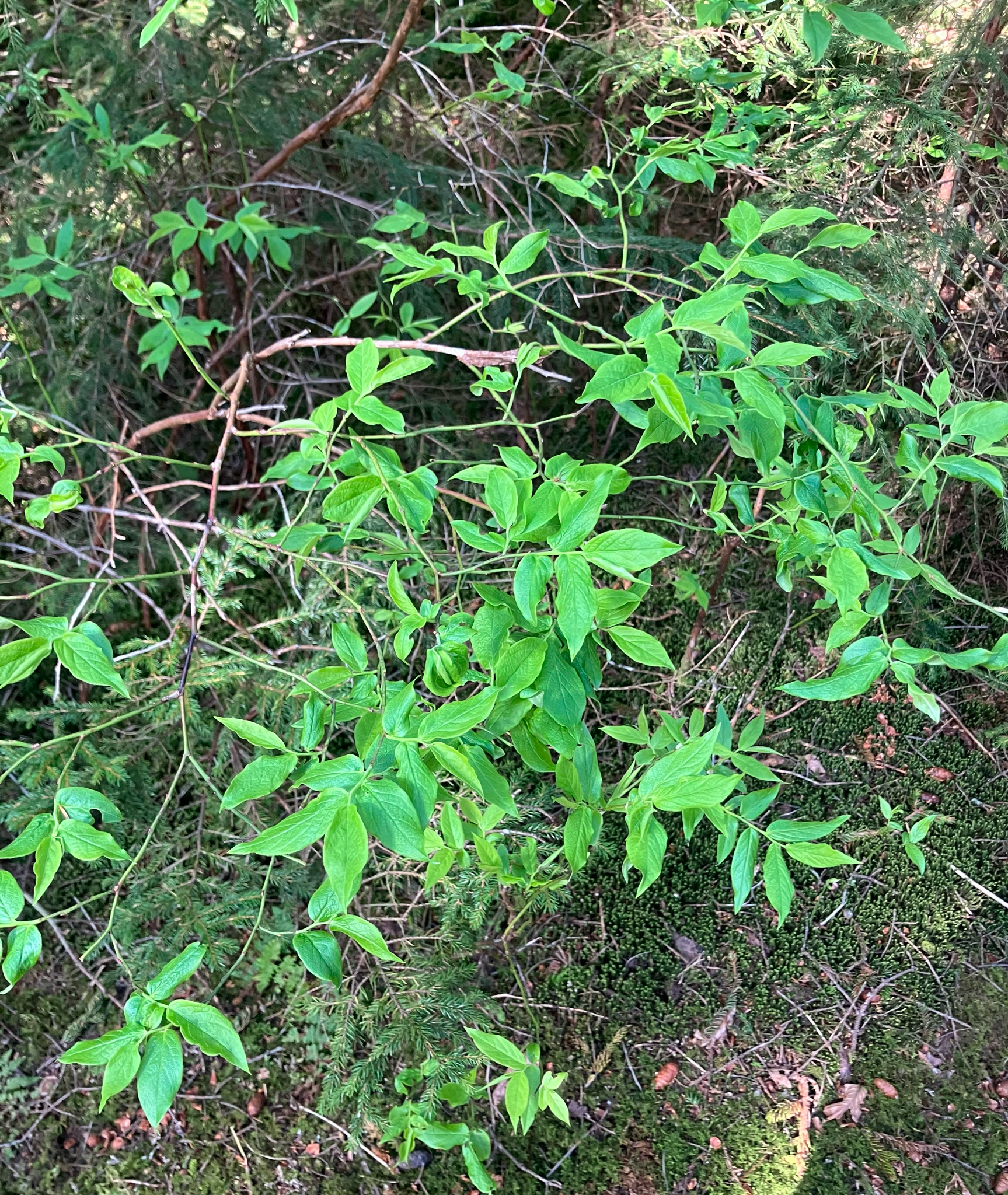
Southern mountain cranberry (Vaccinium erythrocarpum) is a deciduous woody shrub native to high-elevation coniferous and hardwood forests of the Southern Appalachian Mountains. It features bell-shaped, deep pink flowers with strongly reflexed petals followed by tart red-to-purple berries.
This plant thrives exclusively in acidic mountain habitats above 1,200 m (3,900 ft) elevation. Its fruits provide a seasonal wild food source for birds and small mammals in late summer.
Key Facts
- Plant Type: Deciduous wild shrub
- Native Range: Southern Appalachian Mountains, USA
- Elevation: Above 1,200 m (3,900 ft)
- Mature Height: 0.5–1.5 m (1.6–5 ft)
- Fruit Harvest: August to October
Understanding Southern Mountain Cranberry in the Wild
Southern mountain cranberry functions as an understory shrub in high-altitude Appalachian ecosystems. It thrives in cool, moist ridge conditions where winter snow pack and summer moisture remain consistent.
Because it requires strictly acidic soil conditions and cool montane temperatures, it rarely adapts to lowland landscapes. Botanists and native plant enthusiasts observe it primarily in protected mountain ridges and spruce-fir ridge lines.
Identifying Vaccinium erythrocarpum
Southern mountain cranberry reaches a mature height of 0.5 to 1.5 m (1.6 to 5 ft) with slender, brown-to-gray stems. Its thin, alternate leaves measure 3 to 8 cm (1.2 to 3.1 in) in length, exhibiting fine glandular teeth along the margins and turning vivid burgundy-red during autumn drop.
Flowering occurs from June to July, producing solitary nodding blooms on short pedicels. Each bloom features four deeply divided, rose-pink petals that curl backward to reveal prominent yellow stamens. The Vaccinium erythrocarpum fruit ripens from green to translucent bright red in August, turning dark purplish-black by October with a diameter of 8 to 12 mm (0.3 to 0.5 in).
- Stems: Flexible, twiggy branches with dark gray bark.
- Leaves: Ovate-lanceolate, 3–8 cm (1.2–3.1 in) long with serrated margins.
- Flowers: Solitary, 8–10 mm (0.3–0.4 in) long, pink to reddish-purple.
- Berries: Globose, 8–12 mm (0.3–0.5 in) across, turning from red to dark purple.
Where Mountain Cranberry Grows
Southern mountain cranberry grows predominantly at elevations between 1,200 and 2,000 m (3,900 and 6,560 ft) above sea level. It colonizes rocky woods, heath balds, bogs, and red spruce (Picea rubens) or Fraser fir (Abies fraseri) forests.
The plant relies on acidic soils rich in decaying organic matter, with a pH range of 4.5 to 5.5. Moisture levels stay high throughout the year due to frequent mountain fogs and cloud cover in states like North Carolina, Virginia, and Tennessee.
Ecological Role and Wildlife Value
Native bumblebees act as the primary pollinators for the nodding, nectar-rich flowers in early summer. The floral structure obligates insect visitation for successful fertilization and seed production.
In autumn, the ripe fruit provides nutrition for wildlife across the high-elevation Appalachian corridor. Birds such as the ruffed grouse and mammals including black bears and white-tailed deer consume the berries, subsequently dispersing seeds through droppings.
- Pollinators: Queen bumblebees and solitary bees.
- Fruit Consumers: Black bears, songbirds, rodents, and wild turkeys.
- Host Plant: Larval food for specialized native moth species.
Conservation Status and Population Health
Global populations of Southern mountain cranberry carry a status of Least Concern, though local populations remain vulnerable to habitat fragmentation. Climate shift in the high Southern Appalachians poses a potential long-term risk to its microclimates.
In several state inventories, including Georgia and West Virginia, local populations are tracked as species of special concern due to limited high-elevation acreage. Preserved parklands like the Great Smoky Mountains National Park protect significant contiguous populations.
Historical and Culinary Uses of the Fruit
The berries of Southern mountain cranberry possess a distinctly tart, acidic flavor comparable to commercial cranberries. Historically, Appalachian mountain communities collected the fruits to prepare preserves, jellies, and sauces.
Although edible raw, the intense acidity leads most collectors to cook the fruit with sweetener. Indigenous populations traditionally harvested wild berries for seasonal food and preserved them for winter consumption.
Distinguishing Southern Mountain Cranberry from Similar Species
Southern mountain cranberry is distinguished by its reflexed pink flower petals and tall shrub habit, unlike trailing cranberry species. Comparing key features helps avoid misidentification with other wild mountain berries.
Key look-alikes found within the same high-altitude Appalachian ranges include:
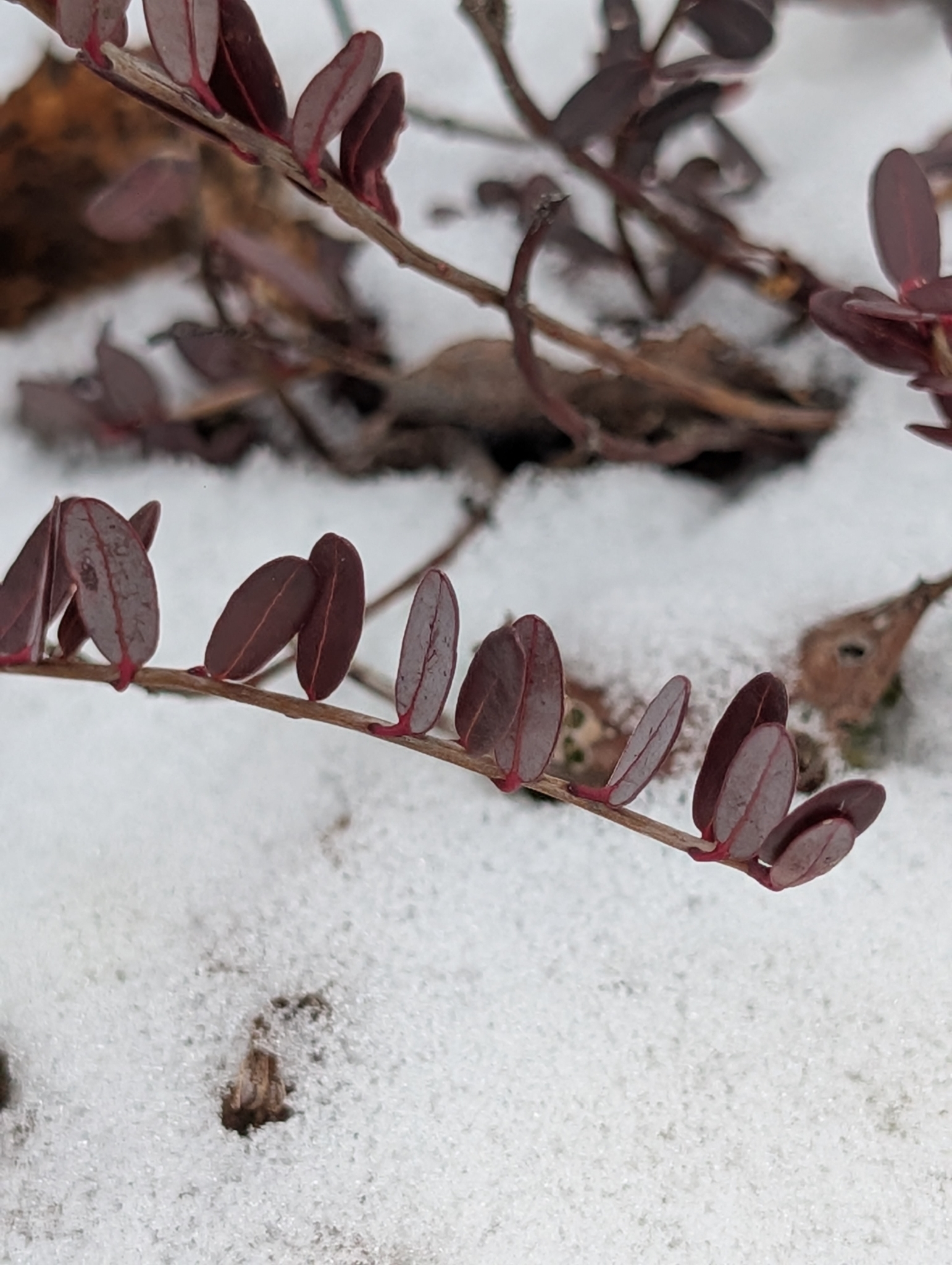
- American cranberry (Vaccinium macrocarpon): Low-growing trailing vine in peat bogs rather than an upright shrub.
- Small cranberry (Vaccinium oxycoccos): Creeping woody vine with tiny leaves under 1 cm (0.4 in) long.
- Mountain blueberry (Vaccinium membranaceum): Produces blue-black fruits with urn-shaped flowers rather than reflexed petals.
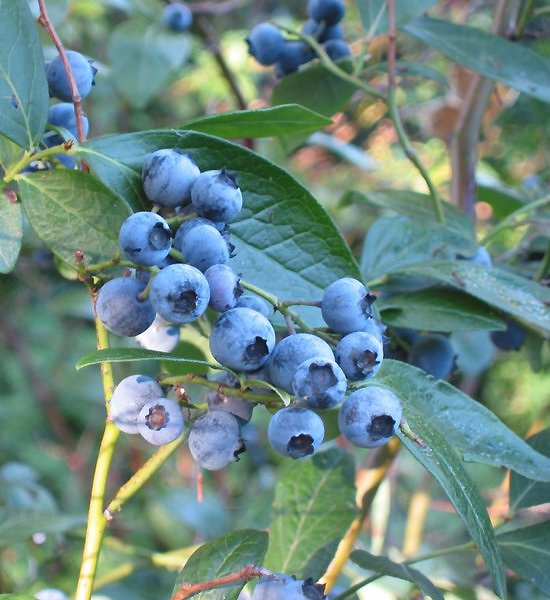
- Highbush blueberry (Vaccinium corymbosum): Taller shrub with white bell-shaped flowers and sweet blue fruit lacking red pulp.
- Bearberry (Arctostaphylos uva-ursi): Prostrate evergreen groundcover with leathery, untoothed leaves.
Frequently Asked Questions
Is Southern mountain cranberry edible?
Yes, the berries of Southern mountain cranberry are edible and non-toxic. They have a sharp, acid taste similar to true cranberries and are often cooked into jams, jellies, or sauces.
How do you identify Vaccinium erythrocarpum in the wild?
Look for an upright shrub reaching up to 1.5 m (5 ft) tall with finely tooth-edged leaves, pink reflexed flowers in June, and dark red to purple berries in autumn. It is found almost exclusively at high elevations in the Southern Appalachian Mountains.
What is the difference between Southern mountain cranberry and American cranberry?
Southern mountain cranberry (Vaccinium erythrocarpum) is an upright deciduous shrub, whereas American cranberry (Vaccinium macrocarpon) is a creeping vine that mats low across peat bogs.
Why is Vaccinium erythrocarpum also called dingleberry?
The common name dingleberry refers to the way the fruits dangle singly on slender pedicels from the branches of the shrub.
Where does Vaccinium erythrocarpum grow natively?
It is native to high-elevation montane forests and heath balds of the Southern Appalachian region, primarily in North Carolina, Tennessee, Virginia, West Virginia, and Georgia.
Sources & Verification
Taxonomy and distribution are checked against the databases below. Care guidance is written for cultivated species only and reviewed by our editor. How We Build Plant Profiles →
More in Vaccinium

Bilberry
Vaccinium myrtillus
☀️ Partial Sun 💧 High

Blue Ridge Blueberry
Vaccinium pallidum
☀️ Partial Sun 💧 Low
Small Cranberry
Vaccinium oxycoccos
☀️ Full Sun 💧 High

Lingonberry
Vaccinium vitis-idaea
☀️ Full Sun 💧 Moderate
Highbush Blueberry
Vaccinium corymbosum
☀️ Full Sun 💧 Moderate
American Cranberry
Vaccinium macrocarpon
☀️ Full Sun 💧 High