Plants Native to Southern Europe
157 plant profiles · Discover plants native to Southern Europe. Learn how Mediterranean perennials, shrubs, and herbs adapt to hot summers, poor soil, and sunny garden sites.
Southern European plants evolved under a Mediterranean climate pattern of hot, dry summers and cool, wet winters. This environment produces distinct physiological traits including silver or grey felted foliage, deep taproots, and aromatic essential oils that reduce moisture loss. Native soils across the Iberian, Italian, and Balkan peninsulas are predominantly lean, rocky, and alkaline with high calcium carbonate levels.
When selecting plants from this region, evaluate your site's winter minimum temperatures and drainage capability. Evergreen Mediterranean shrubs like mastic (Pistacia lentiscus) and shrubby germander (Teucrium fruticans) require full sun exposure and winter protection where temperatures drop below -10 °C (14 °F). Drought-tolerant perennials such as king’s-spear (Asphodeline lutea) and bear’s breeches (Acanthus mollis) suit gravel beds and dry borders, while grey-foliaged species like dusty miller (Cineraria maritima) excel in coastal conditions exposed to salt spray.
Low-growing culinary herbs and bulbs thrive in container gardens and rockeries. Species like common sage (Salvia officinalis), lesser calamint (Clinopodium nepeta), and lily leek (Allium moly) demand lean soil mixtures containing up to 50% coarse grit or perlite. Avoid heavy clay soils and standing water, which cause root rot during winter dormancy.
Aleppo Pine
Pinus halepensis
☀️ Full Sun 💧 Low

Algerian Oak
Quercus canariensis
☀️ Full Sun 💧 Moderate

Almond-Leaved Pear
Pyrus spinosa
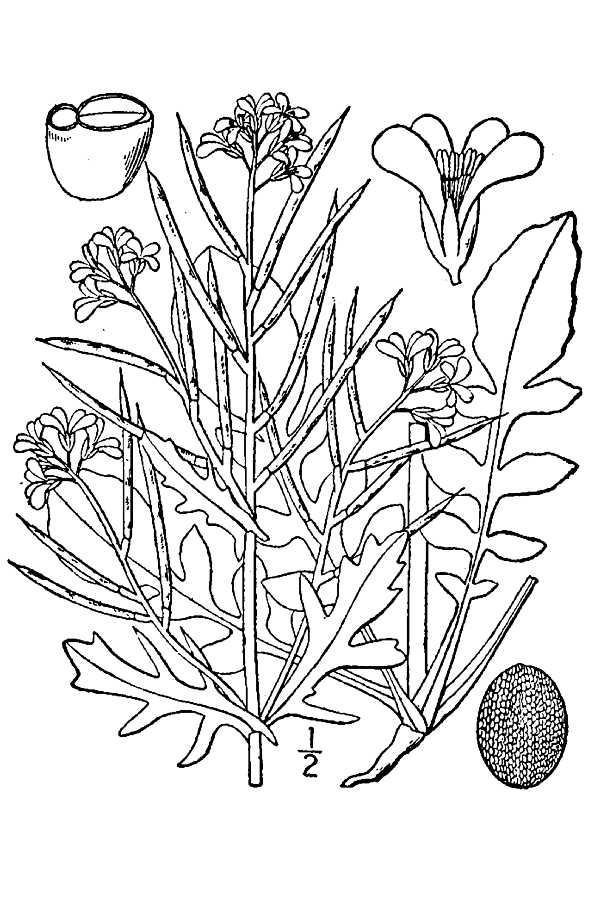
American Cress
Barbarea verna
☀️ Partial Shade 💧 Moderate

Animated Oat
Avena sterilis

Apple Mint
Mentha suaveolens
☀️ Full Sun 💧 Moderate

Arugula
Eruca vesicaria
☀️ Full Sun 💧 Moderate

Aubrieta
Aubrieta deltoidea
☀️ Full Sun 💧 Low

Austrian Pine
Pinus nigra
☀️ Full Sun 💧 Low
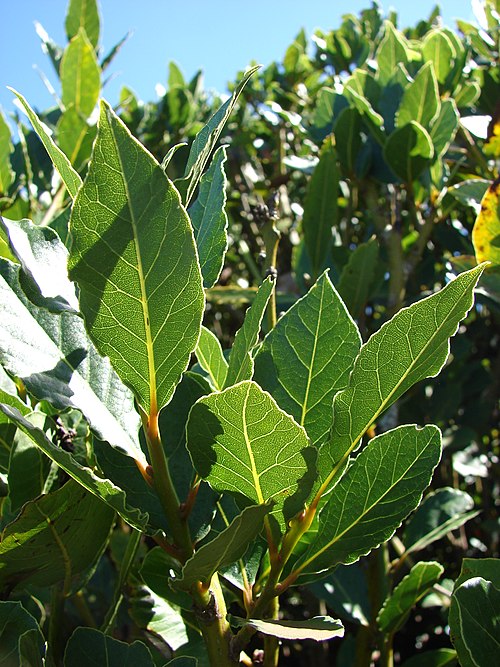
Bay Laurel
Laurus nobilis
☀️ Full Sun 💧 Moderate
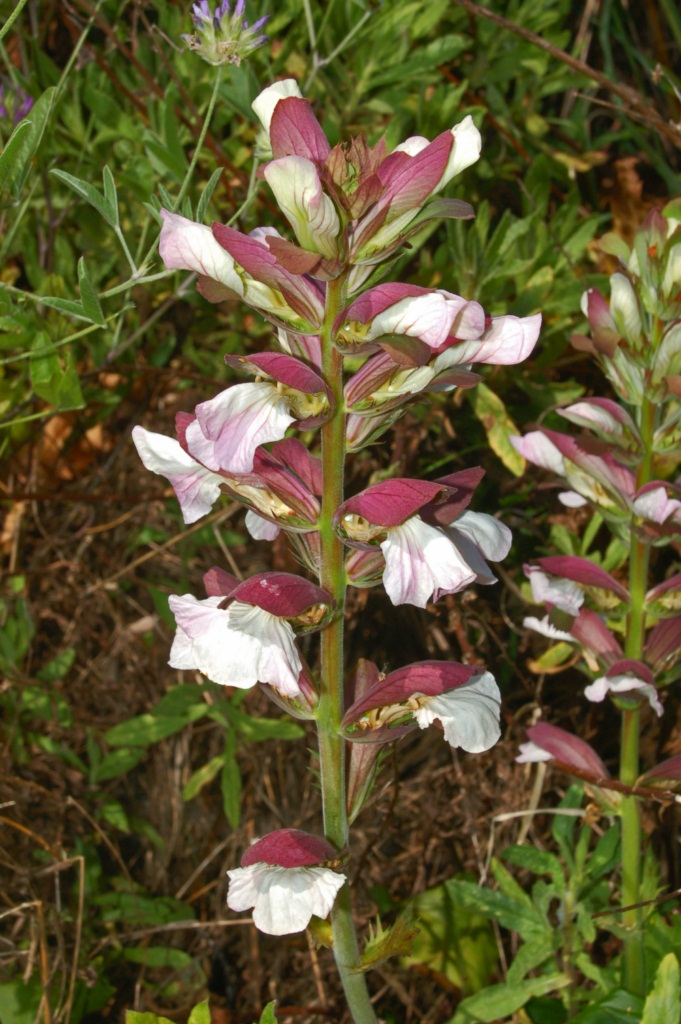
Bear’s Breeches
Acanthus mollis
☀️ Partial Sun 💧 Moderate

Bearded Iris
Iris germanica
☀️ Full Sun 💧 Low

Bermuda Grass
Cynodon dactylon
☀️ Full Sun 💧 Moderate

Bigroot Geranium
Geranium macrorrhizum
☀️ Partial Shade 💧 Low
Birthwort
Aristolochia clematitis

Bishop’s Flower
Ammi majus
☀️ Full Sun 💧 Moderate

Bitter Vetch
Vicia ervilia
☀️ Full Sun 💧 Low

Black Salsify
Pseudopodospermum hispanicum
☀️ Full Sun 💧 Moderate

Borage
Borago officinalis
☀️ Full Sun 💧 Moderate

California Burclover
Medicago polymorpha
☀️ Full Sun 💧 Low

Canterbury Bells
Campanula medium
☀️ Partial Sun 💧 Moderate

Carnation
Dianthus caryophyllus
☀️ Full Sun 💧 Moderate

Carob
Ceratonia siliqua
☀️ Full Sun 💧 Low

Chamois Cress
Hornungia alpina
☀️ Full Sun 💧 Low
Common Questions
What growing conditions do Southern European plants need?
Southern European plants require full sun and fast-draining soil with a neutral to alkaline pH between 6.5 and 8.0. Most species thrive in low-fertility soils and suffer root rot if overwatered during cold winter months.
Are Mediterranean plants hardy in freezing temperatures?
Hardiness varies by altitude and coastal proximity, with many species hardy down to -10 °C to -15 °C (14 °F to 5 °F) if kept dry in winter. Woody evergreen shrubs suffer tip damage when exposed to frozen soils combined with drying winds.
How often should you water plants native to Southern Europe?
Water deeply once every 2 to 3 weeks during summer establishment, then allow the top 5–10 cm (2–4 in) of soil to dry out completely. Mature plants in the ground rarely require summer irrigation once established.