
European plum (Prunus domestica) is a deciduous fruit tree originating from a natural hybrid between blackthorn and cherry plum in the Caucasus region. It is the primary species used for dessert plums, damsons, and dried prunes in temperate climates.
You can distinguish this species from Japanese plums (Prunus salicina) by its later flowering time and oval-shaped fruit. It requires a specific period of winter cold to set fruit, making it unsuitable for tropical regions.
Key Facts
- Light: Full sun for at least 6-8 hours daily
- Hardiness: USDA zones 5 through 9
- Soil: Well-drained, fertile loam or clay-loam
- Chill Hours: 700 to 1,000 hours below 7 °C (45 °F)
- Harvest: Late summer to mid-autumn depending on cultivar
Is European Plum Right for Your Garden?
European plum trees are a long-term investment that provide heavy yields of fruit for 20 to 30 years. They are more cold-hardy and flower later than Japanese plums, which helps them avoid late spring frost damage in northern climates. Many cultivars are self-fertile, meaning you only need one tree to get a harvest, though planting a second compatible variety increases the crop size.
You should choose this tree if you have a sunny, sheltered spot with deep soil. They do not tolerate waterlogged roots or extremely sandy soil that dries out too quickly. Consider the following before planting:
- Space requirement: Standard trees need 6 m (20 ft) of room.
- Pollination: Check if your chosen variety is self-fertile or needs a partner.
- Rootstock: Dwarf rootstocks like ‘Pixy’ keep trees under 3 m (10 ft).
- Chill hours: Ensure your winter is cold enough for the specific cultivar.
Identifying European Plum Trees
The European plum is a medium-sized tree reaching 4 to 10 m (13 to 33 ft) with a rounded, often spreading canopy. The bark is dark brown or greyish, becoming fissured and scaly as the tree ages. Unlike some other Prunus species, the branches are usually thornless, though some wild-type damsons may have short, blunt spurs.
The leaves and flowers provide clear identification markers during the growing season. The fruit is notably different from other stone fruits in its shape and skin texture. Look for these botanical features:
- Leaves: Oval or elliptical, 4-10 cm (1.5-4 in) long, with finely serrated edges.
- Flowers: Pure white, 2 cm (0.8 in) wide, appearing in clusters of 2-3 in spring.
- Fruit: Oval or oblong drupes, 3-8 cm (1-3 in) long, often with a waxy bloom.
- Stones: The internal pit is flattened and usually separates easily from the flesh.
Choosing the Best Site for Planting
Plant your tree in a position that receives full sun and is protected from strong, prevailing winds. Sunlight is required for fruit sugar development and to prevent fungal diseases like brown rot. A south or west-facing slope is ideal as it allows cold air to drain away, reducing the risk of frost pockets killing the blossoms in April or May.
Soil quality is the primary factor in tree longevity and fruit size. European plums prefer deep, loamy soil with a pH between 6.0 and 7.5. Avoid sites where stone fruits have been grown in the last 3 years to prevent replant disease. If your soil is heavy clay, plant the tree on a slight mound to improve drainage. They are moderately tolerant of different soil types but will fail in chalky or very acidic conditions.
How to Plant European Plum Trees
The best time to plant is during the dormant season, typically between November and March. Bare-root trees are usually cheaper and establish better than container-grown ones if planted in early winter. Dig a hole twice the width of the root system but no deeper than the original soil mark on the stem.
Correct planting depth prevents the graft union from rotting or the scion from growing its own roots. Follow these steps for a successful start:
- Soak the roots in a bucket of water for 2 hours before planting.
- Drive a stake into the hole before placing the tree to avoid root damage.
- Spread the roots out evenly and backfill with native soil mixed with organic matter.
- Firm the soil with your heel to remove air pockets around the roots.
- Apply a 5 cm (2 in) layer of mulch, keeping it away from the trunk.
Watering and Feeding Your Plum Tree
Newly planted trees require 15 to 20 litres (4 to 5 gallons) of water per week during their first two growing seasons. Established trees are somewhat drought-tolerant but need consistent moisture while the fruit is swelling in mid-summer. Irregular watering during fruit development can cause the skins to split, leading to rot and wasp damage.
Fertilizing should be done in early spring before the buds break. Apply a balanced granular fertilizer (10-10-10) around the drip line of the tree. Avoid high-nitrogen feeds in late summer, as this encourages soft growth that is susceptible to winter frost damage and aphids. A yearly mulch of well-rotted manure or compost in late winter provides slow-release nutrients and improves soil structure.
Pruning European Plum for Maximum Fruit
You must prune European plums in early to mid-summer (June to August) to prevent silver leaf disease. Unlike apples, Prunus species are highly susceptible to fungal infections if pruned in winter when the air is damp and the tree is dormant. Summer pruning allows the wounds to heal quickly while the tree is actively growing.
The goal of pruning is to create an open “goblet” shape that allows light and air into the centre of the canopy. This reduces the risk of brown rot and ensures fruit ripens evenly. Use sharp, sterilized loppers and follow these rules:
- Remove the “three Ds”: dead, damaged, or diseased wood.
- Thin out crowded branches that are crossing or rubbing against each other.
- Shorten the current year’s growth by one-third to encourage fruit spurs.
- Remove any suckers growing from the rootstock at the base of the tree.
Common European Plum Problems and Pests
The most frequent issue is brown rot, a fungal disease that causes fruit to shrivel and develop tan-coloured pustules. This is often spread by birds or wasps damaging the fruit skin. Remove and burn any “mummified” fruit that stays on the tree over winter, as these carry the spores into the next season.
Pests like the plum sawfly and plum fruit moth can cause premature fruit drop. The larvae tunnel into the developing fruit, leaving a small hole and dark frass. Aphids often attack the new growth in spring, causing the leaves to curl and become sticky with honeydew. Encouraging natural predators like ladybirds and hoverflies is usually more effective than chemical sprays for home gardeners.
Harvesting and Using the Fruit
Harvest the fruit when it is fully coloured and yields slightly to gentle pressure near the stem. European plums do not ripen well once picked, so wait until they are sweet. To harvest, cradle the fruit in your palm and twist upward; it should detach easily with the stalk attached. If you have to pull hard, the fruit is not ready.
European plums are high in vitamin C, vitamin K, and dietary fibre. They have been traditionally used to support digestive health, particularly when dried into prunes. The fruit can be used in several ways:
- Fresh eating: Dessert varieties like ‘Victoria’ or ‘Greengage’ are best raw.
- Preserves: Damsons have high pectin and acid, making them ideal for jams.
- Drying: ‘Stanley’ and other prune-type plums have high sugar for drying.
- Cooking: Use in crumbles, tarts, or as a glaze for roasted meats.
Year-Round European Plum Maintenance
| Spring | Apply a balanced fertilizer and mulch in March. Monitor for aphids as leaves emerge and protect blossoms from late frosts with fleece if necessary. |
|---|---|
| Summer | Prune for shape and health in July. Thin the fruit if branches are overloaded, leaving 5-8 cm (2-3 in) between each plum to prevent snapping. |
| Autumn | Complete the harvest and clear all fallen fruit from the ground. Remove any mummified fruit remaining on the branches to prevent fungal spread. |
| Winter | Apply a winter wash to the bark to kill overwintering pest eggs. Ensure the tree is securely staked against winter gales and check for deer or rabbit damage. |
Common European Plum Tree Problems
| What you see | Likely cause | What to do |
|---|---|---|
| No fruit on tree | Lack of chill hours or poor pollination | Ensure variety matches your climate or plant a compatible pollinator nearby. |
| Silver sheen on leaves | Silver leaf fungus | Cut back affected branches to healthy wood and paint wounds with sealant. |
| Rotting fruit with white spots | Brown rot fungus | Remove infected fruit immediately and prune for better air circulation in summer. |
| Curled, sticky leaves | Plum aphids | Blast with a strong water stream or use insecticidal soap in early spring. |
Top European Plum Cultivars to Grow
- ‘Victoria’ – most popular self-fertile dessert plum
- ‘Stanley’ – oval blue fruit, excellent for drying
- ‘Reine Claude Verte’ – the classic green greengage
- ‘Merryweather Damson’ – large fruit for jam and gin
- ‘Czar’ – reliable dark purple cooking plum
- ‘Opal’ – early season, reddish-purple dessert variety
Frequently Asked Questions
What is the difference between European and Japanese plums?
European plums (Prunus domestica) are oval, flower later, and are more cold-hardy, while Japanese plums (Prunus salicina) are round, flower early, and prefer warmer climates.
Why is my European plum tree not fruiting?
The most common reasons are a lack of winter chill hours, frost damage to spring blossoms, or the absence of a compatible pollinator tree for self-sterile varieties.
Can you grow a European plum tree from a stone?
Yes, but the resulting tree will not be identical to the parent and may take 7-10 years to fruit; most gardeners buy grafted trees for specific fruit quality.
How long do European plum trees live?
A well-cared-for European plum tree typically lives for 30 to 50 years, though its peak fruit-bearing years are usually between ages 5 and 25.
Are European plum leaves toxic to dogs?
Yes, the leaves, stems, and seeds contain cyanide-producing compounds that are toxic to dogs, cats, and horses if ingested in significant quantities.
Information about traditional or historical uses is provided for educational interest only and is not medical advice. Do not use any plant to treat a condition without speaking to a qualified professional.
Sources & Verification
Taxonomy and distribution are checked against the databases below. Care guidance is written for cultivated species only and reviewed by our editor. How We Build Plant Profiles →
More in Prunus

Higan Cherry
Prunus itosakura
☀️ Full Sun 💧 Moderate

Chickasaw Plum
Prunus angustifolia
☀️ Full Sun 💧 Moderate
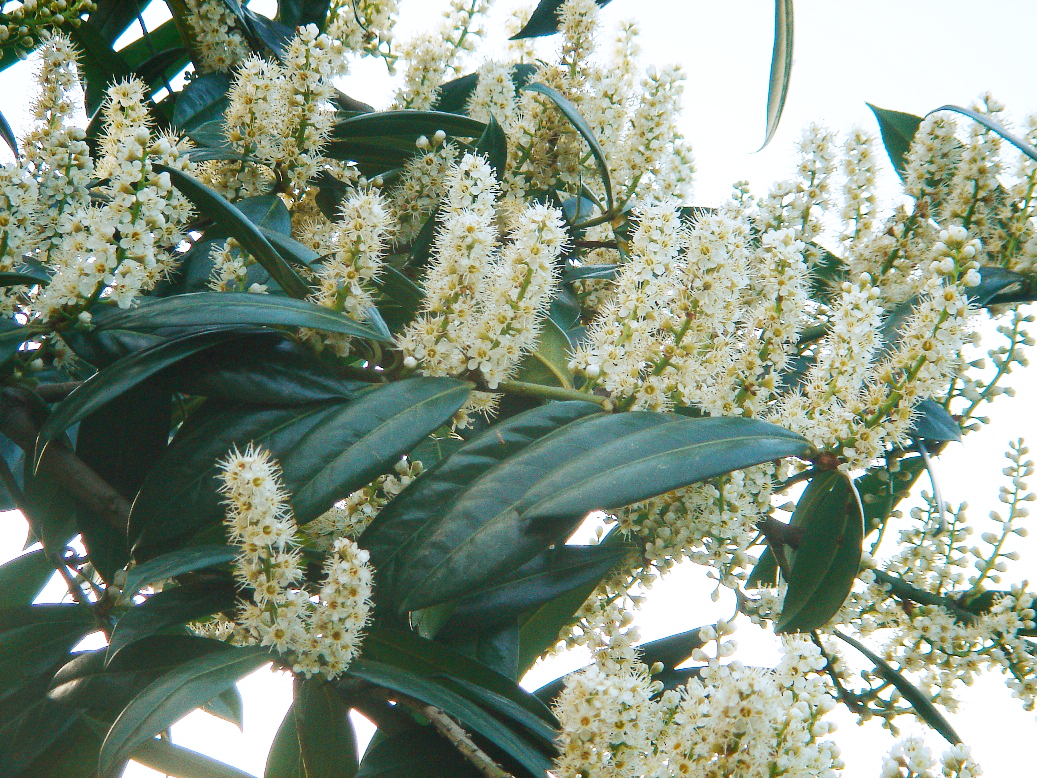
Cherry Laurel
Prunus laurocerasus
☀️ Partial Sun 💧 Moderate

Bird Cherry
Prunus padus
☀️ Full Sun 💧 High

Hollyleaf Cherry
Prunus ilicifolia
☀️ Full Sun 💧 Low

Chokecherry
Prunus virginiana
☀️ Full Sun 💧 Moderate