
German garlic, Allium senescens, is a clump-forming perennial onion native to a broad range spanning from Central Europe to Siberia and Korea. It is frequently grown for its blue-green, strap-like leaves that possess a mild garlic-onion flavor and its spherical clusters of pale purple flowers.
This species is a rhizomatous perennial rather than a traditional bulb-producing garlic, meaning it returns year after year without needing to be replanted. It is often confused with hardneck garlic cultivars like ‘German Extra Hardy’, but this plant is a distinct wild-type species used primarily for its foliage.
Key Facts
- Water: 2.5 cm (1 in) per week during summer
- Sun: Full sun to very light partial shade
- Hardiness: USDA zones 4 to 9
- Harvest: Snip leaves when 15 cm (6 in) tall
- Height: Reaches 20 to 40 cm (8 to 16 in)
Growing German Garlic in the Garden
German garlic requires well-drained soil and a position in full sun to thrive as a perennial herb. While it is highly adaptable to different soil types, including poor or rocky ground, it will struggle and potentially rot in heavy clay that remains wet during the winter months.
This plant is an excellent choice for rock gardens, herb borders, or the front of a perennial bed. Because it is a rhizomatous plant, it forms tidy clumps that do not aggressively spread like some other members of the onion family. It is particularly useful for gardeners in cold climates, as it is hardy down to -34 °C (-30 °F).
Identification and Botanical Features
The most distinctive feature of German garlic is its flat, blue-green leaves that often exhibit a subtle spiral twist. These leaves grow in a basal rosette and typically reach a length of 20-30 cm (8-12 in) and a width of about 1 cm (0.4 in). Unlike common chives (Allium schoenoprasum), which have hollow, cylindrical leaves, these are solid and strap-shaped.
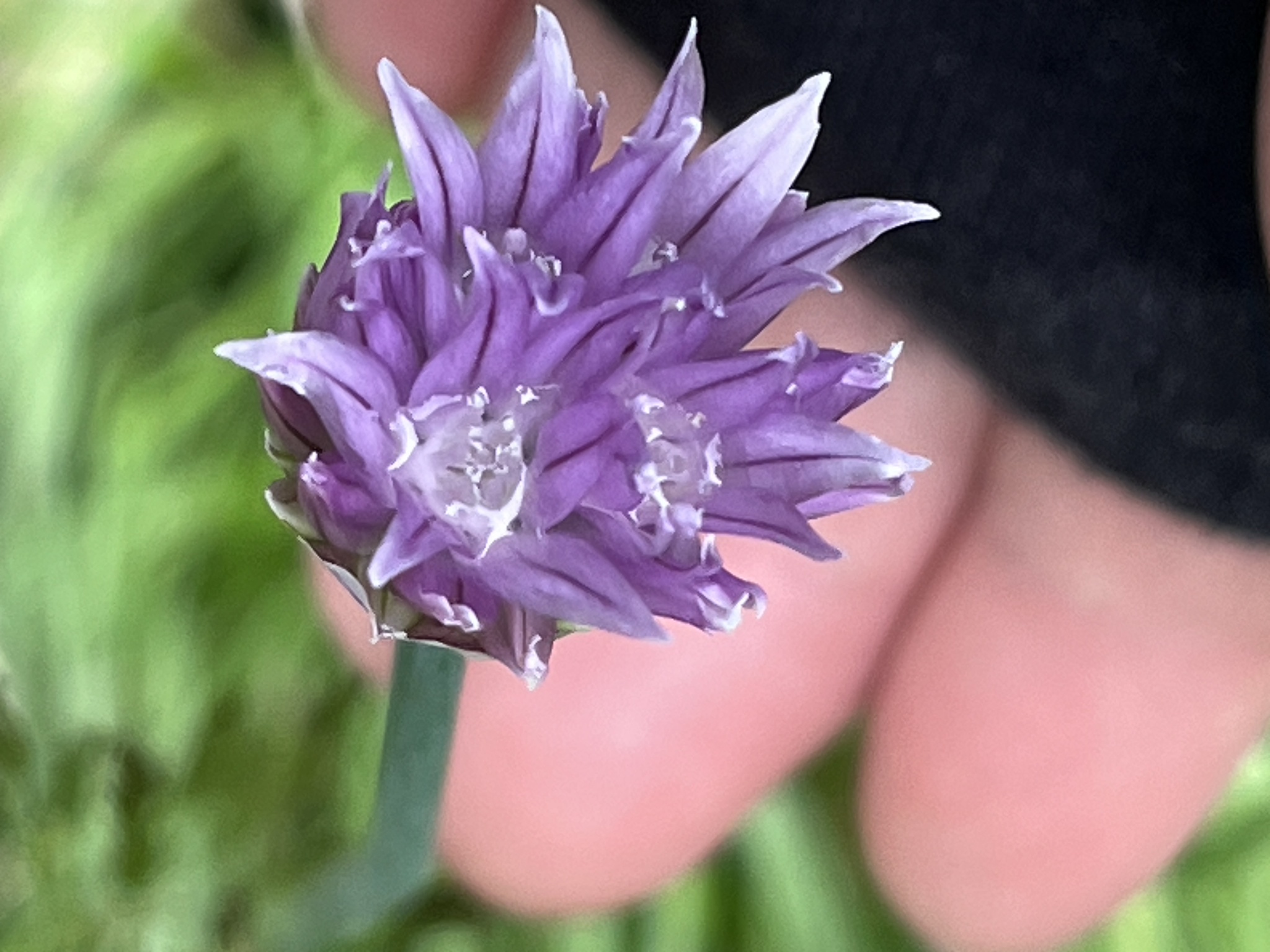
In mid-summer, the plant produces upright, leafless flowering stalks called scapes. Before the flowers open, the buds often nod or droop—a trait that gives the plant its other common name, aging chive. The flowers eventually upright themselves to form 3-5 cm (1.2-2 in) wide spherical umbels containing many small, star-shaped lilac or pink blossoms.
Ideal Growing Conditions
For the best flavor and flower production, place your plants in full sun for at least six hours per day. While German garlic can tolerate light shade, the foliage may become floppy and the flower count will significantly decrease. It thrives in a pH range of 6.0 to 7.5, preferring neutral to slightly alkaline conditions.
- Light: Full sun is required for strong, upright growth.
- Soil: Gritty, sandy, or loamy soil with excellent drainage.
- Temperature: Prefers temperate climates; high humidity can trigger fungal issues.
- Spacing: Space individual plants 25-30 cm (10-12 in) apart.
How to Plant German Garlic
Plant German garlic in the early spring or autumn to allow the root system to establish before extreme temperatures arrive. If planting from nursery containers, dig a hole twice the width of the root ball and set the plant at the same depth it was in the pot. Backfill with native soil and water thoroughly to settle the roots.
If you are starting from seed, sow them indoors 8-10 weeks before the last frost or directly in the garden once the soil has warmed. Seeds require a light covering of soil and consistent moisture to germinate, which usually takes 14-21 days at 20 °C (68 °F). Division of established clumps every 3-4 years is the most common way to increase your stock.
Watering and Feeding Requirements
Water the plants deeply once a week during the first growing season to establish a deep root system. Once established, German garlic is remarkably drought-tolerant and usually only requires supplemental watering during prolonged dry spells. Overwatering is the most common cause of failure, leading to bulb and rhizome rot.
Apply a light layer of compost or a balanced organic fertilizer in early spring as new shoots emerge. Avoid high-nitrogen fertilizers, which encourage lush foliage at the expense of flower production and can make the leaves less flavorful. A thin mulch of pea gravel or wood chips can help suppress weeds and keep the soil temperature stable.
Harvesting Leaves and Flowers
You can begin harvesting leaves once the plant is at least 15 cm (6 in) tall and well-established. Use sharp scissors to snip the outer leaves from the base of the clump, leaving the inner leaves to continue growing. Do not remove more than one-third of the foliage at a time to ensure the plant remains vigorous.
The flowers are also edible and should be harvested just as they fully open for the best texture and flavor. They have a more intense, spicy garlic kick than the leaves and make a functional garnish for salads or soups. Stop harvesting leaves about a month before the first expected frost to allow the plant to move nutrients into the rhizomes for winter survival.
Culinary Uses and Preparation
German garlic is traditionally used in savory dishes where a mild, lingering garlic flavor is desired without the intensity of a raw clove. The leaves are excellent when finely chopped and added to potato soups, omelets, or herbed butter. In Germany, it was historically used to flavor specific regional sausages and meat preserves.
- Fresh: Use as a garnish for salads, dips, and soft cheeses.
- Cooking: Add to stir-fries or soups at the very end of cooking to preserve flavor.
- Infusion: Steep leaves in white wine vinegar for a mild garlic-scented dressing.
- Flowers: Use individual florets to decorate savory tarts or cold pasta dishes.
Common Pests and Diseases
The most frequent problem for German garlic is allium leaf miner, which leaves tell-tale white dots in a line on the foliage. The larvae tunnel through the leaves, causing them to distort and eventually rot. Covering plants with a fine insect mesh during the peak fly activity in spring and autumn can prevent infestation.
Onion rust may appear as small orange or yellow pustules on the leaves during damp, warm weather. To manage this, ensure plants are spaced correctly to allow for air circulation and avoid overhead watering. If slugs become a problem for young spring shoots, use grit barriers or organic slug pellets to protect the base of the plant.
Storage and Preservation
Freshly harvested leaves will stay crisp for up to 5 days if wrapped in a damp paper towel and stored in the refrigerator crisper drawer. For longer storage, the leaves can be chopped and frozen in ice cube trays with a small amount of water or olive oil. This method preserves the flavor much better than drying.
While the leaves can be dried in a dehydrator at a low temperature, they lose a significant amount of their aromatic oils and can end up tasting like hay. If you must dry them, store the results in an airtight glass jar away from direct sunlight. The small rhizomes are edible but are generally considered too fibrous and small for practical kitchen use compared to the foliage.
Year-Round Maintenance for German Garlic
| Spring | Divide overgrown clumps every 3 years. Apply a light organic fertilizer and clear away any dead foliage from the previous year. |
|---|---|
| Summer | Water during dry spells and harvest leaves regularly. Deadhead spent flower globes to prevent self-seeding if you want to maintain a tidy clump. |
| Autumn | Stop harvesting leaves 4 weeks before frost. Clean up fallen debris to prevent pests like leaf miners from overwintering in the soil. |
| Winter | The plant is dormant and requires no care. In very cold zones, a light mulch of evergreen boughs can protect the rhizomes from extreme temperature fluctuations. |
Common German Garlic Problems and Solutions
| What you see | Likely cause | What to do |
|---|---|---|
| Yellowing, mushy leaf bases | Overwatering or poor drainage | Reduce watering and move the plant to a grittier soil mix. |
| Silver or white lines on leaves | Allium leaf miner | Remove affected leaves and use insect netting in early spring. |
| Orange spots on foliage | Onion rust fungus | Improve air circulation and avoid watering the leaves directly. |
| Leaves drooping or lack of flowers | Insufficient light | Relocate the plant to a spot that receives at least 6 hours of full sun. |
Popular Allium senescens Cultivars
- subsp. glaucum – The ‘Ornamental Onion’ with distinctive blue-grey, strongly spiraled leaves.
- ‘Blue Eddy’ – A compact cultivar with swirling, wave-like blue foliage.
- ‘Glaucum’ – Often sold as a groundcover due to its low, spreading habit.
Frequently Asked Questions
Is German garlic the same as German Extra Hardy garlic?
No, they are different plants. German garlic (Allium senescens) is a perennial herb grown for its leaves and flowers, while 'German Extra Hardy' is a cultivar of Allium sativum grown for its large underground bulbs.
Is German garlic edible?
Yes, all parts of the plant are edible, including the leaves, flowers, and small rhizomes, though the leaves are the most commonly consumed part for their mild garlic flavor.
Is German garlic a hardneck or softneck variety?
It is neither. Hardneck and softneck are classifications for Allium sativum (common garlic). German garlic is a rhizomatous perennial species that does not produce a large divided bulb.
Why are the leaves on my German garlic twisting?
This is a natural botanical trait of the species, especially the subspecies glaucum. The spiral twist is a normal growth pattern and not a sign of disease.
Can I grow German garlic in pots?
Yes, it grows well in containers provided they have excellent drainage holes and you use a free-draining potting mix with added perlite or grit.
Information about traditional or historical uses is provided for educational interest only and is not medical advice. Do not use any plant to treat a condition without speaking to a qualified professional.
Sources & Verification
Taxonomy and distribution are checked against the databases below. Care guidance is written for cultivated species only and reviewed by our editor. How We Build Plant Profiles →
More in Allium

Garlic Chives
Allium tuberosum
☀️ Full Sun 💧 Moderate
Chives
Allium schoenoprasum
☀️ Full Sun 💧 Moderate

Wild Garlic
Allium ursinum
☀️ Partial Shade 💧 Moderate

Star of Persia
Allium cristophii
☀️ Full Sun 💧 Low

Shallot
Allium ascalonicum
☀️ Full Sun 💧 Moderate

Welsh Onion
Allium fistulosum
☀️ Full Sun 💧 Moderate